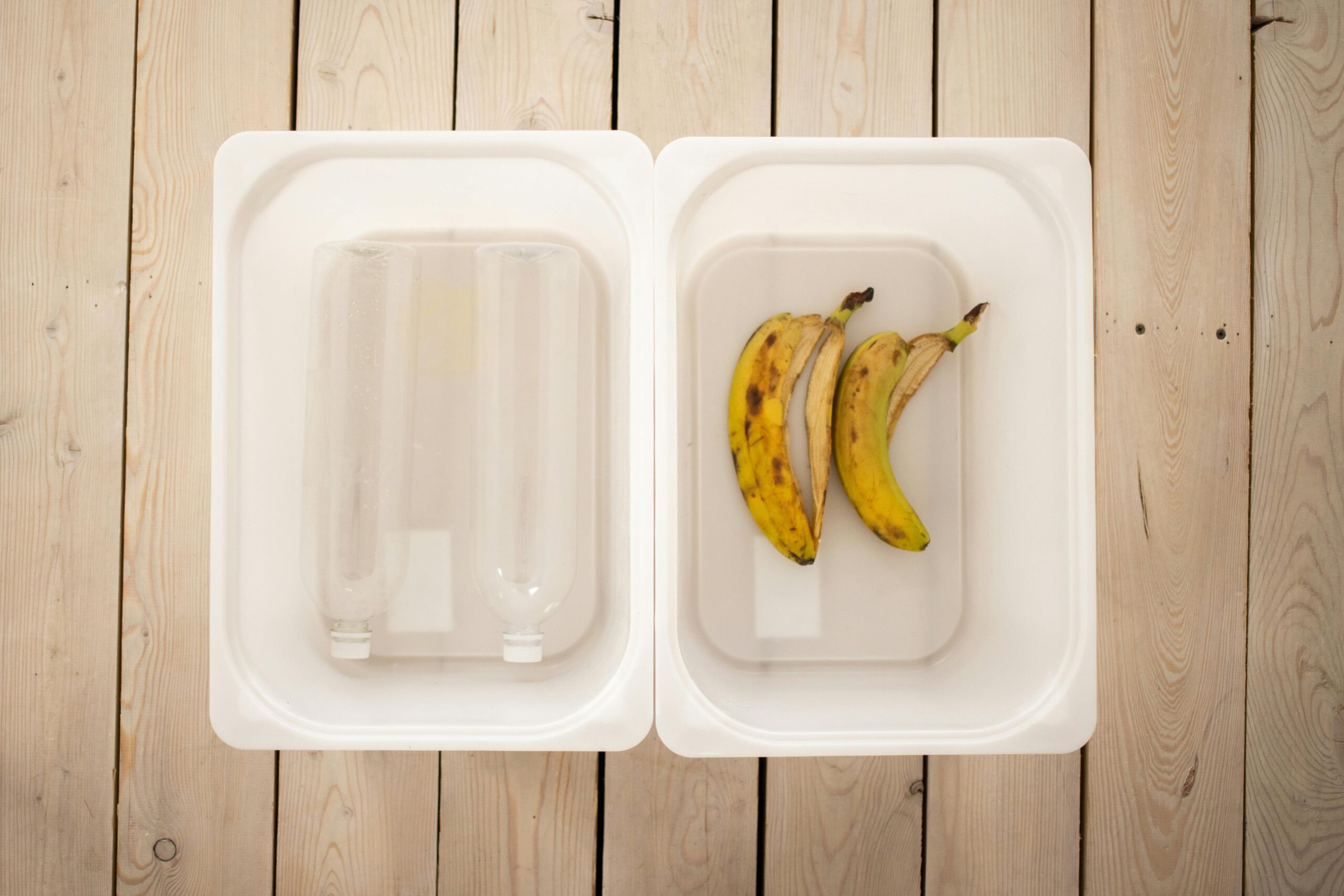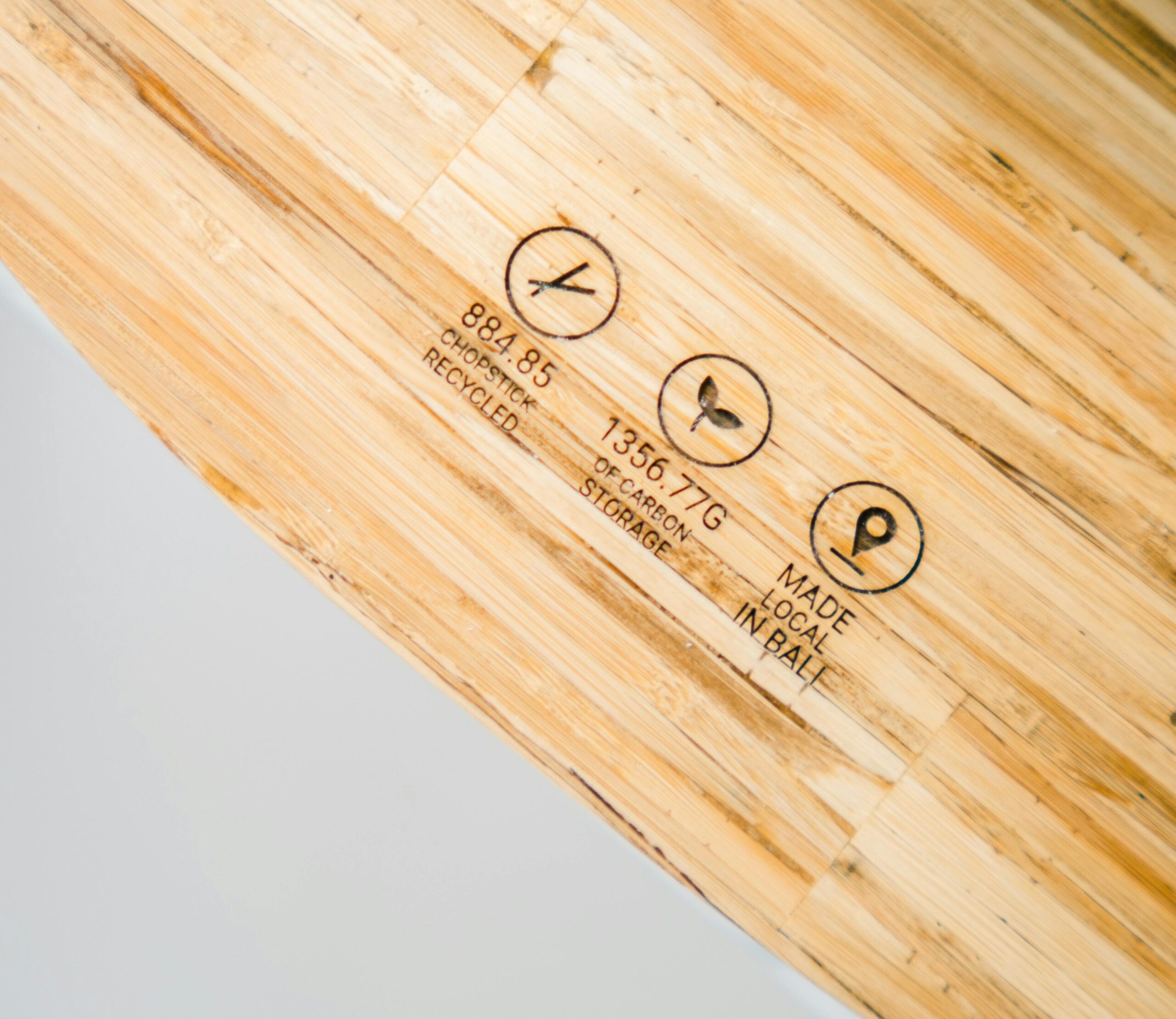
Circular design modeling is transforming how industries approach sustainability, innovation, and resource management in an era defined by environmental consciousness and economic efficiency.

The traditional linear economy—based on the “take-make-dispose” model—has led us to a critical juncture where natural resources are depleting at alarming rates, waste management systems are overwhelmed, and climate change threatens our collective future. In response to these challenges, circular design modeling has emerged as a revolutionary approach that reimagines how products, services, and entire business ecosystems are conceived, developed, and managed throughout their lifecycle.
This paradigm shift represents far more than just recycling or waste reduction. It’s a comprehensive rethinking of value creation that considers environmental impact, economic viability, and social responsibility as interconnected elements of a sustainable future. As industries worldwide grapple with regulatory pressures, consumer demands, and the urgent need for climate action, circular design modeling offers a practical framework for revolutionizing operations while maintaining profitability and competitive advantage.
🔄 Understanding the Fundamentals of Circular Design Modeling
Circular design modeling is rooted in the principles of the circular economy, which seeks to eliminate waste and maximize resource utilization through continuous cycles of use and regeneration. Unlike conventional design approaches that rarely consider what happens to a product after its primary use, circular design integrates end-of-life considerations from the very beginning of the creative process.
At its core, this methodology focuses on designing products and systems that can be easily disassembled, repaired, refurbished, remanufactured, or recycled. Materials are selected not only for their functional properties but also for their ability to return safely to either biological or technical cycles. This holistic perspective requires collaboration across disciplines, from industrial designers and materials scientists to supply chain managers and waste management specialists.
The modeling aspect involves sophisticated analytical tools that simulate product lifecycles, predict material flows, assess environmental impacts, and identify optimization opportunities. These models help decision-makers understand the long-term implications of design choices, enabling them to balance performance requirements with sustainability objectives.
💡 Key Principles Driving Circular Innovation
Several fundamental principles guide circular design modeling practices across industries. Understanding these core concepts is essential for organizations seeking to implement circular strategies effectively.
Design for Longevity and Durability
Products designed with extended lifespans reduce the frequency of replacement and minimize resource consumption over time. This principle challenges the planned obsolescence that has characterized many consumer goods industries, instead emphasizing quality, timeless design, and modular construction that allows for upgrades and repairs.
Material Selection and Optimization
Choosing materials that are renewable, recyclable, or biodegradable forms the foundation of circular design. Advanced modeling tools help designers evaluate material alternatives based on multiple criteria including carbon footprint, toxicity, availability, cost, and end-of-life recovery potential. The goal is to create material loops where resources maintain their value through multiple use cycles.
Systemic Thinking and Collaboration
Circular design modeling requires thinking beyond individual products to consider entire value chains and ecosystems. This systems perspective reveals interdependencies and opportunities for industrial symbiosis, where one company’s waste becomes another’s raw material. Collaborative platforms and digital technologies facilitate this coordination across organizational boundaries.
🏭 Industry Transformation Through Circular Models
The practical application of circular design modeling is revolutionizing diverse sectors, each adapting the principles to their unique contexts and challenges.
Fashion and Textile Industries
The fashion industry, long criticized for its environmental impact and waste generation, is undergoing significant transformation through circular design. Brands are experimenting with rental models, take-back programs, and garments designed for disassembly. Innovative materials like regenerated fibers, biodegradable synthetics, and lab-grown textiles are entering mainstream production.
Circular design modeling helps fashion companies optimize material selection, predict garment lifecycles, and design collection systems that capture used clothing for reprocessing. Digital twins—virtual replicas of physical products—enable designers to test multiple scenarios before committing to production, reducing waste in the design phase itself.
Electronics and Technology Sectors
Consumer electronics represent both a challenge and an opportunity for circular design. These products contain valuable materials but are often difficult to repair or recycle due to complex construction and proprietary components. Progressive manufacturers are now designing devices with standardized parts, modular architectures, and accessible repair instructions.
Circular modeling in this sector involves sophisticated material flow analysis, tracking precious metals and rare earth elements through supply chains and recovery processes. Software platforms help companies manage reverse logistics, refurbishment operations, and material reclamation facilities with unprecedented efficiency.
Construction and Built Environment
The construction industry consumes enormous quantities of resources and generates substantial waste. Circular design modeling is transforming how buildings are conceived, constructed, and eventually deconstructed. Design for disassembly principles ensure that structural components can be recovered and reused rather than demolished and landfilled.
Building information modeling (BIM) systems now incorporate circular economy considerations, creating digital material passports that document every component’s origin, composition, and recovery potential. This information becomes invaluable decades later when buildings reach their end of life, enabling selective deconstruction and high-value material recovery.
Manufacturing and Industrial Production
Manufacturing operations are leveraging circular design modeling to optimize production processes, minimize waste generation, and create closed-loop material systems. Industrial ecology principles guide the development of manufacturing parks where complementary businesses exchange materials, energy, and byproducts.
Advanced analytics and artificial intelligence enhance circular modeling capabilities, identifying patterns and opportunities that would be impossible to detect manually. Predictive maintenance extends equipment lifespans, while process optimization reduces resource consumption and emissions throughout operations.
📊 Technologies Enabling Circular Design Transformation
The revolution in circular design modeling is powered by convergent technological advances that make comprehensive lifecycle analysis and optimization increasingly accessible and accurate.
Digital technologies form the backbone of modern circular design practices. Cloud-based platforms enable real-time collaboration among distributed teams, while blockchain systems provide transparent tracking of materials through complex supply networks. Internet of Things sensors embedded in products collect usage data that informs design improvements and enables predictive maintenance.
Artificial intelligence and machine learning algorithms analyze vast datasets to identify circular opportunities, optimize material combinations, and predict product performance under various scenarios. These tools can simulate thousands of design alternatives in the time it would take humans to evaluate a handful, dramatically accelerating innovation cycles.
Life Cycle Assessment (LCA) software has become increasingly sophisticated, offering detailed environmental impact analysis across multiple categories including carbon emissions, water consumption, ecosystem toxicity, and resource depletion. Modern LCA tools integrate with design software, providing real-time feedback as designers make decisions, rather than assessing impacts only after designs are finalized.
🌍 Environmental and Economic Benefits
The adoption of circular design modeling delivers measurable benefits across environmental and economic dimensions, creating compelling business cases for transformation.
Resource Efficiency and Cost Reduction
By optimizing material use and designing for longevity, companies reduce raw material procurement costs while minimizing waste disposal expenses. Circular models that incorporate product-as-a-service offerings create stable revenue streams while incentivizing manufacturers to build durable, maintainable products.
Risk Mitigation and Supply Chain Resilience
Circular design reduces dependence on virgin materials, many of which face price volatility and supply disruptions. Companies with established recovery and reprocessing capabilities gain competitive advantages during resource scarcity periods. This resilience has become particularly valuable in an era of geopolitical uncertainty and climate-related supply chain disruptions.
Brand Value and Market Differentiation
Consumers increasingly favor brands demonstrating genuine environmental commitment. Circular design provides tangible evidence of sustainability efforts, strengthening brand reputation and customer loyalty. Forward-thinking companies use circular innovations as marketing differentiators, attracting environmentally conscious consumers willing to pay premium prices for responsible products.
Regulatory Compliance and Future-Proofing
Governments worldwide are implementing extended producer responsibility laws, right-to-repair legislation, and circular economy mandates. Companies adopting circular design modeling proactively position themselves for compliance with current and anticipated regulations, avoiding costly retrofits and legal complications.
⚡ Overcoming Implementation Challenges
Despite its promise, circular design modeling faces significant barriers that organizations must navigate thoughtfully.
Cultural resistance within organizations accustomed to linear thinking represents a primary challenge. Successful transformation requires leadership commitment, cross-functional collaboration, and patience as teams develop new competencies. Training programs, pilot projects, and visible executive support help overcome inertia and build momentum.
Technical challenges include data availability and quality issues that complicate accurate modeling. Many supply chains lack transparency regarding material composition and origin, making comprehensive lifecycle analysis difficult. Standardization efforts and digital tracking technologies are gradually addressing these gaps, but progress remains uneven across industries and regions.
Economic barriers include upfront investment requirements for new technologies, process redesign, and reverse logistics infrastructure. While circular models often deliver long-term financial benefits, short-term costs can deter adoption, particularly among smaller enterprises with limited capital. Policy incentives, green financing mechanisms, and collaborative industry initiatives help overcome these financial hurdles.
🚀 Future Trajectories and Emerging Opportunities
The evolution of circular design modeling continues accelerating, with several emerging trends shaping its future development and application.
Biomimicry and nature-inspired design are increasingly informing circular innovations. By studying how natural ecosystems eliminate waste and optimize resource flows, designers develop more elegant and effective circular solutions. Materials science advances inspired by biological processes are producing alternatives to conventional plastics and other problematic materials.
Digital product passports are gaining traction as mechanisms for tracking products throughout their lifecycles. These comprehensive digital records document material composition, repair history, ownership changes, and end-of-life instructions. As these systems mature, they will dramatically improve recovery rates and material quality in circular systems.
Circular business model innovation extends beyond product design to encompass service delivery, ownership structures, and value capture mechanisms. Sharing economies, performance-based contracts, and collaborative consumption models all reflect circular principles applied at business model levels.
Advanced manufacturing technologies including 3D printing and automated assembly are enabling mass customization with minimal waste. These technologies support circular design by facilitating on-demand production, localized manufacturing, and simplified repair through standardized, printable replacement parts.
🎯 Strategic Implementation Pathways
Organizations seeking to harness circular design modeling should approach implementation strategically, recognizing that transformation is a journey rather than a destination.
Assessment and baseline establishment form the essential first step. Companies must understand their current material flows, waste generation patterns, and lifecycle impacts before identifying improvement opportunities. Material flow analysis and waste audits provide this foundational understanding.
Pilot projects allow organizations to experiment with circular approaches in controlled environments, learning valuable lessons without risking core operations. Successful pilots demonstrate feasibility, build internal capabilities, and generate enthusiasm for broader transformation.
Ecosystem engagement and partnership development extend circular capabilities beyond organizational boundaries. Collaboration with suppliers, customers, waste management companies, and even competitors creates the interconnected systems necessary for effective circular operations.
Continuous improvement and iteration recognize that circular design modeling is an evolving discipline. As technologies advance, regulations change, and consumer preferences shift, circular strategies must adapt accordingly. Organizations that embed learning and flexibility into their approaches achieve sustained success.

🌟 Catalyzing Broader Systemic Change
While individual organizational efforts are essential, realizing circular design modeling’s full potential requires coordinated action across multiple stakeholders and system levels.
Policy frameworks that incentivize circular practices while penalizing wasteful linear models accelerate transition. Carbon pricing, extended producer responsibility legislation, public procurement preferences for circular products, and research funding for circular innovations all shape the enabling environment.
Education and workforce development ensure that future generations of designers, engineers, and business leaders possess circular thinking competencies. Universities, technical schools, and professional development programs are increasingly incorporating circular economy principles into curricula.
Consumer awareness and engagement drive demand for circular products and services. As understanding grows regarding the environmental consequences of consumption choices, market pressures reinforce regulatory and business momentum toward circularity.
The revolution in circular design modeling represents one of the most promising pathways toward sustainable prosperity in our modern world. By fundamentally rethinking how we design, produce, use, and recover products and materials, this approach addresses environmental imperatives while creating economic opportunities. Industries embracing these principles position themselves as leaders in the inevitable transition toward circular economies, capturing competitive advantages while contributing to planetary wellbeing.
Success requires commitment, collaboration, and creativity—qualities that forward-thinking organizations are increasingly demonstrating. As technologies mature, business models evolve, and systemic support strengthens, circular design modeling will transition from innovative exception to standard practice, revolutionizing industries and reshaping our relationship with the material world for generations to come.