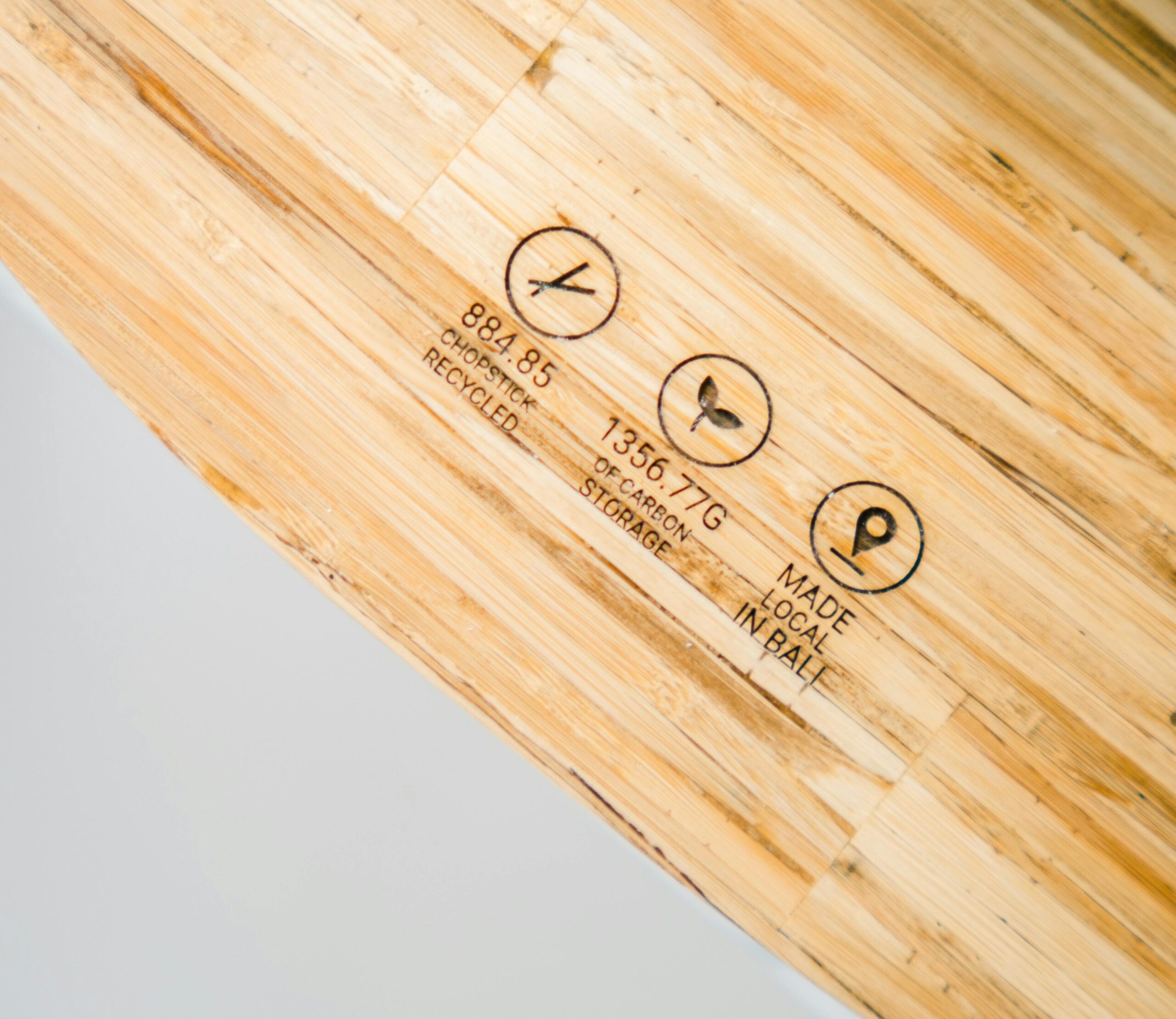
Sustainable product design now demands that creators think beyond manufacturing, embracing end-of-life planning as a core responsibility for environmental stewardship and circular economy success.

🌍 The Urgent Need for End-of-Life Thinking in Product Design
The linear economy model of “take-make-dispose” has pushed our planet to its environmental limits. Every year, approximately 50 million tons of electronic waste alone are generated globally, with only 20% being formally recycled. This staggering statistic reveals a fundamental flaw in how we conceptualize product lifecycles. Designing for tomorrow means confronting the uncomfortable truth that every product we create will eventually reach its end, and how we plan for that moment determines our environmental legacy.
Product modeling has traditionally focused on functionality, aesthetics, and manufacturing efficiency. However, the most innovative designers are now incorporating end-of-life pathways from the earliest conceptual stages. This paradigm shift recognizes that a product’s environmental impact extends far beyond its useful life, and that sustainable design must account for disassembly, material recovery, and ecological reintegration.
The business case for sustainable end-of-life pathways has never been stronger. Companies implementing circular design principles report reduced material costs, enhanced brand reputation, and improved regulatory compliance. Moreover, consumers increasingly demand transparency about product lifecycles, with 73% of millennials willing to pay more for sustainable products.
Understanding the Full Product Lifecycle Spectrum
Before crafting effective end-of-life strategies, designers must understand the complete product journey. The lifecycle extends through raw material extraction, manufacturing, distribution, use phase, and ultimately disposal or regeneration. Each stage presents opportunities for sustainability intervention, but the end-of-life phase offers unique leverage for environmental impact reduction.
Traditional product modeling software often stops at the manufacturing phase, leaving designers blind to downstream consequences. Modern sustainable design tools integrate lifecycle assessment capabilities, allowing creators to visualize environmental impacts across all stages. This holistic perspective reveals hidden opportunities for improvement and unintended consequences that might otherwise go unnoticed.
The concept of “cradle-to-cradle” design challenges the notion of waste entirely. In this framework, products are designed as either biological nutrients that can safely return to nature or technical nutrients that circulate indefinitely through industrial systems. This ambitious vision requires rethinking fundamental assumptions about materials, assembly methods, and product architecture.
Mapping Material Flows and Recovery Potential
Effective end-of-life planning begins with comprehensive material mapping. Designers must document every material used, their quantities, locations within the product, and their potential for recovery or biological degradation. This detailed inventory becomes the foundation for all subsequent end-of-life strategies.
Material compatibility plays a crucial role in recyclability. Products that mix incompatible materials—such as metal-plastic composites or multi-layer packaging—create recycling nightmares. Sustainable product modeling prioritizes material purity and separation ease, ensuring that valuable resources can be efficiently recovered and reprocessed.
🔧 Design Strategies for Disassembly and Recovery
Design for Disassembly (DfD) represents one of the most powerful approaches to sustainable end-of-life pathways. This methodology emphasizes creating products that can be easily taken apart, allowing components and materials to be separated, repaired, refurbished, or recycled. The principles of DfD challenge conventional assembly methods that prioritize permanent bonding and irreversible connections.
Mechanical fasteners offer distinct advantages over adhesives and welding for sustainable design. Screws, bolts, and snap-fits enable non-destructive disassembly, though they require careful consideration of assembly time and cost implications. The key is finding the optimal balance between manufacturing efficiency and end-of-life accessibility.
Modular architecture transforms end-of-life management by allowing selective component replacement and upgrading. Rather than discarding entire products when one part fails or becomes obsolete, modular designs enable targeted interventions. This approach extends product lifespan while creating new service-based business models around maintenance and upgrades.
Standardization and Material Identification Systems
Industry-wide standardization dramatically improves end-of-life outcomes by creating economies of scale in recycling infrastructure. When products use standardized components and materials, recyclers can develop specialized processes that efficiently handle large volumes. Designers who embrace standards contribute to systemic improvements beyond their individual products.
Clear material identification markings are essential for effective sorting and recycling. International standards like ISO 11469 provide guidelines for plastic identification, but many products still lack adequate labeling. Sustainable product modeling must include provisions for durable, accessible material identification that persists throughout the product’s life.
Digital Tools Revolutionizing Sustainable Product Modeling
Advanced software platforms now integrate sustainability metrics directly into the design process. Tools like Autodesk Fusion 360 and SolidWorks Sustainability incorporate lifecycle assessment capabilities, allowing designers to evaluate environmental impacts in real-time as they model products. This immediate feedback enables informed decision-making during the creative process when changes are least expensive.
Parametric modeling combined with sustainability algorithms creates powerful optimization opportunities. Designers can set environmental performance targets—such as recyclability percentages or carbon footprint limits—and allow software to suggest design modifications that meet these goals while maintaining functional requirements.
Digital twins extend sustainability benefits beyond the design phase into product use and end-of-life management. By creating virtual replicas of physical products, manufacturers can track performance, predict maintenance needs, and plan optimal end-of-life interventions. This data-rich approach transforms end-of-life management from reactive disposal to proactive resource recovery.
Blockchain and Traceability in Circular Economies
Blockchain technology offers unprecedented opportunities for tracking products and materials through circular economy loops. By creating immutable records of material composition, manufacturing history, and ownership transfers, blockchain enables sophisticated end-of-life management. Recyclers can access complete product information, optimizing recovery processes and ensuring material purity.
Digital product passports represent an emerging standard for comprehensive product information management. These digital records accompany products throughout their lifecycles, documenting materials, repair histories, and end-of-life instructions. The European Union is developing regulations requiring digital product passports for certain categories, signaling a broader shift toward transparency and accountability.
♻️ Material Innovation Driving Sustainable End-of-Life Pathways
The materials revolution is fundamentally reshaping what’s possible in sustainable product design. Bio-based plastics derived from renewable feedstocks offer alternatives to petroleum-based polymers, though their end-of-life pathways require careful consideration. Not all bio-plastics are biodegradable, and proper disposal infrastructure remains limited in many regions.
Biodegradable materials present both opportunities and challenges. While the prospect of products that safely decompose appeals to sustainability goals, the reality is more complex. Biodegradation requires specific environmental conditions that may not exist in typical disposal scenarios. Designers must ensure that biodegradable materials reach appropriate composting facilities rather than languishing in landfills where they may generate methane.
Recycled content materials close the loop by creating demand for recovered resources. Products designed with high recycled content percentages demonstrate market viability for recycling systems, encouraging infrastructure investment. However, designers must account for potential performance variations in recycled materials and ensure that quality standards are maintained.
Smart Materials and Shape Memory Applications
Shape memory polymers and alloys offer innovative solutions for end-of-life disassembly. Products can be designed with fasteners or connections that release when exposed to specific temperatures or stimuli, enabling automatic disassembly in recycling facilities. While still emerging, these technologies hint at future possibilities for intelligent product architecture.
Extended Producer Responsibility and Regulatory Frameworks
Extended Producer Responsibility (EPR) policies shift end-of-life management obligations to manufacturers, creating powerful incentives for sustainable design. Under EPR frameworks, producers must finance collection, recycling, and proper disposal of their products. This financial accountability motivates design improvements that reduce end-of-life costs through improved recyclability and reduced material complexity.
The European Union’s Waste Electrical and Electronic Equipment (WEEE) Directive exemplifies comprehensive EPR regulation. By mandating collection targets and restricting hazardous substances, WEEE has driven significant design innovations across the electronics industry. Similar regulations are emerging globally, creating increasingly standardized expectations for sustainable product design.
Right-to-repair legislation represents another regulatory trend affecting product design decisions. These laws guarantee consumers and independent repair shops access to spare parts, tools, and repair information. Products designed to be repairable naturally extend their useful lives and delay end-of-life scenarios, multiplying sustainability benefits.
🎯 Business Models Aligned with Circular Design Principles
Product-as-a-Service models fundamentally alter the relationship between manufacturers and consumers. When companies retain ownership of products and sell functionality rather than objects, they gain strong incentives to maximize product longevity and optimize end-of-life resource recovery. This alignment of business interests with sustainability goals creates powerful momentum for circular economy adoption.
Take-back programs create closed-loop systems where manufacturers reclaim products at end-of-life for refurbishment or recycling. Companies like Patagonia and Interface have built successful programs that recover valuable materials while strengthening customer relationships. These initiatives require careful logistics planning and reverse supply chain development, but they offer competitive advantages through reduced material costs and enhanced brand loyalty.
Performance-based contracts shift focus from product quantity to service quality. Rather than selling the maximum number of products, manufacturers optimize for durability and efficiency. This approach particularly suits B2B contexts where long-term relationships and measurable outcomes facilitate innovative business arrangements.
Collaborative Consumption and Sharing Economies
Sharing platforms reduce overall product demand by increasing utilization rates. Products designed for durability and easy maintenance suit collaborative consumption models, extending useful lives while serving more users. This approach requires rethinking design priorities to emphasize robustness and serviceability over individual personalization.
Measuring Success: Metrics and Assessment Tools
Quantifying sustainability performance requires robust metrics and assessment methodologies. Lifecycle Assessment (LCA) provides comprehensive environmental impact evaluation across all product stages. While LCA studies demand significant data and expertise, simplified tools now make basic assessments accessible to smaller organizations and individual designers.
Material circularity indicators measure how effectively products retain material value through recovery and reuse. The Ellen MacArthur Foundation’s Material Circularity Indicator offers a standardized approach for evaluating circular design success. By calculating the percentage of materials from recycled sources and the likelihood of recovery at end-of-life, this metric provides clear targets for improvement.
Carbon footprinting quantifies greenhouse gas emissions across product lifecycles. As climate change concerns intensify, carbon metrics increasingly influence design decisions and consumer choices. Transparent carbon labeling allows informed purchasing while motivating manufacturers to reduce emissions through design optimization.
🌱 Implementing Sustainable End-of-Life Pathways: Practical Steps
Successful implementation begins with organizational commitment and cross-functional collaboration. Sustainable design cannot remain isolated within design departments; it requires engagement from engineering, supply chain, marketing, and executive leadership. Creating dedicated sustainability roles and integrating environmental metrics into performance evaluations demonstrates genuine organizational commitment.
Pilot projects allow organizations to experiment with circular design principles while managing risk. Starting with a single product line or component provides learning opportunities without overwhelming existing processes. Documenting challenges, successes, and lessons learned creates institutional knowledge that accelerates subsequent initiatives.
Supplier partnerships are essential for sustainable design success. Many end-of-life pathways depend on material choices and component design decisions made by suppliers. Collaborative relationships that share sustainability goals and technical information enable innovations that individual organizations cannot achieve alone.
Education and Capacity Building
Investing in design team education ensures that sustainable principles become second nature rather than afterthoughts. Professional development programs, certifications like LEED or Cradle to Cradle, and participation in industry working groups build expertise while connecting designers to broader sustainability communities.
The Future Landscape of Sustainable Product Design
Artificial intelligence and machine learning are beginning to revolutionize sustainable design optimization. AI systems can analyze vast datasets of material properties, manufacturing processes, and environmental impacts to suggest design improvements that human designers might miss. As these technologies mature, they’ll increasingly automate sustainability optimization while freeing designers to focus on creative innovation.
Additive manufacturing offers unique sustainability opportunities through localized production, material efficiency, and design flexibility. 3D printing enables complex geometries impossible with traditional manufacturing, potentially creating products optimized for both performance and end-of-life recovery. As materials science advances, biodegradable and recyclable printing feedstocks will expand sustainable design possibilities.
The convergence of sustainability imperatives, regulatory pressures, consumer demands, and technological capabilities is creating an unprecedented moment for transformative change in product design. Organizations that embrace end-of-life thinking now position themselves as industry leaders while those that delay face increasing competitive disadvantages and regulatory risks.

🚀 Crafting a Legacy of Regeneration
Designing for tomorrow demands courage to challenge conventional practices and imagination to envision products that heal rather than harm. Sustainable end-of-life pathways represent not just environmental responsibility but economic opportunity and competitive advantage. The circular economy transition is inevitable; the question is whether individual designers and organizations will lead or follow.
Every product designed today shapes the world our children will inherit. By integrating end-of-life thinking into product modeling from the earliest conceptual stages, designers become architects of regenerative systems that restore rather than deplete. This profound responsibility also offers profound satisfaction—the knowledge that creative work contributes to planetary healing and human flourishing.
The tools, knowledge, and business models for sustainable product design exist today. What remains is commitment, collaboration, and the willingness to reimagine what products can be. The transition to circular economies built on regenerative principles represents one of humanity’s great challenges and opportunities. Designers who craft sustainable end-of-life pathways don’t just create products; they create hope for a thriving future.