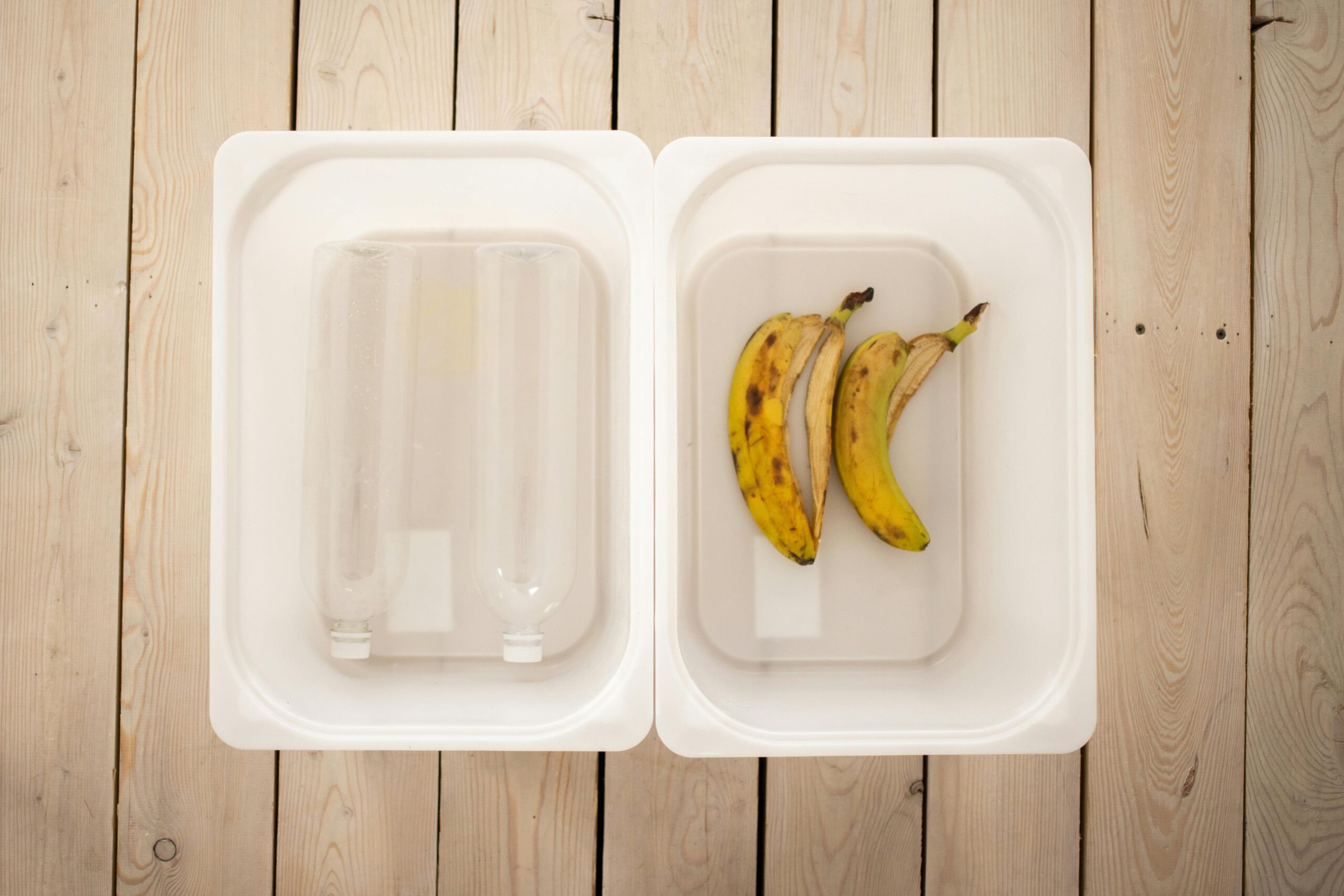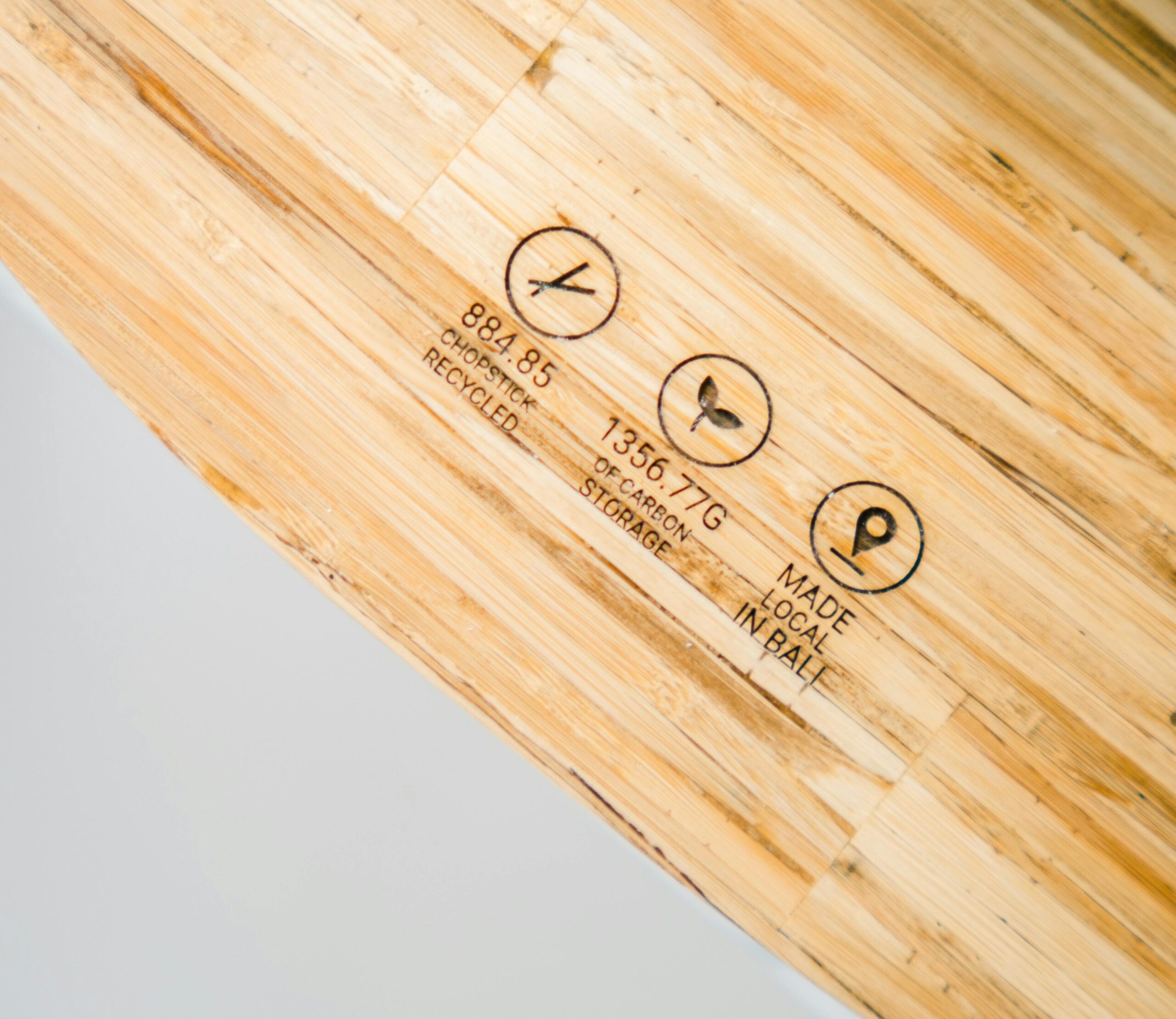
The way we design, produce, and consume products is undergoing a fundamental transformation as businesses and consumers alike recognize the urgent need for sustainable alternatives to our current linear economy.

🔄 Understanding the Circular Design Revolution
Traditional product design has followed a “take-make-dispose” model for decades, creating mountains of waste and depleting natural resources at alarming rates. Circular design represents a radical departure from this wasteful approach, embracing principles that keep materials and products in use for as long as possible through careful planning, modular construction, and repairable architecture.
At its core, circular design challenges manufacturers to think beyond the point of sale. Instead of creating products destined for landfills, designers are now crafting goods that can be easily disassembled, repaired, upgraded, and ultimately recycled. This shift isn’t just environmentally responsible—it’s increasingly becoming an economic imperative as resource scarcity drives up costs and consumers demand more sustainable options.
The Business Case for Modular Product Design
Modularity in product design isn’t a new concept, but its application to sustainability goals has gained tremendous momentum in recent years. Companies that adopt modular design principles are discovering multiple benefits that extend far beyond environmental considerations.
First, modular products reduce manufacturing costs over time. When components are standardized and interchangeable, production becomes more efficient, inventory management simplifies, and quality control improves. Manufacturers can produce fewer unique parts while maintaining diverse product lines, leading to significant economies of scale.
Second, modularity creates new revenue streams through aftermarket sales of replacement parts, upgrades, and accessories. Rather than losing customers after the initial sale, companies can maintain ongoing relationships through a continuous cycle of maintenance and enhancement. This subscription-like model provides more predictable revenue and stronger customer loyalty.
Real-World Success Stories 📱
Several pioneering companies have demonstrated the commercial viability of modular design. Fairphone, a Dutch electronics manufacturer, has built its entire business model around repairable smartphones with easily replaceable batteries, screens, and cameras. Their products appeal to environmentally conscious consumers willing to pay a premium for sustainability and longevity.
Framework, a laptop manufacturer, has similarly disrupted the personal computer market with fully modular laptops where every component—from the keyboard to the motherboard—can be upgraded or replaced by the user. This approach directly challenges the planned obsolescence that has dominated consumer electronics for years.
In the furniture industry, companies like IKEA have begun exploring modular systems that allow customers to reconfigure, repair, and upgrade their purchases rather than replacing entire pieces. These initiatives represent a growing recognition that circular design principles can be applied across virtually every product category.
💡 Key Principles of Circular Product Design
Implementing circular design requires adherence to several fundamental principles that guide the entire product development process from conception through end-of-life management.
Design for Disassembly
Products must be designed so they can be easily taken apart without specialized tools or destroying components. This means using mechanical fasteners instead of adhesives, creating clear access points to internal components, and providing documentation that guides disassembly processes. When products can be efficiently disassembled, both repairs and material recovery become economically viable.
Standardization and Compatibility
Using standardized components and interfaces ensures that parts can be sourced from multiple suppliers and that products remain repairable even years after their initial release. This principle extends beyond individual companies to industry-wide standards that promote interoperability and reduce waste across entire product categories.
Material Selection and Purity
Circular design prioritizes materials that are durable, non-toxic, and recyclable. It also emphasizes material purity—avoiding composite materials that are difficult to separate and recycle. By carefully selecting materials with their entire lifecycle in mind, designers ensure that products can be safely returned to the material stream at end of life.
Longevity and Durability
Products designed for circular economies must be built to last. This means using higher-quality materials and construction methods that resist wear and degradation. While this may increase initial costs, the extended product lifespan delivers better value to consumers and reduces environmental impact.
The Right to Repair Movement: Empowering Consumers 🔧
The circular design revolution is closely aligned with the growing right-to-repair movement, which advocates for consumers’ ability to fix their own products or choose independent repair services. This movement has gained political traction worldwide, with numerous jurisdictions considering or passing legislation that requires manufacturers to provide repair documentation, tools, and spare parts.
Repair-friendly design democratizes product maintenance, reducing dependence on manufacturer-authorized service centers that often charge premium prices. When consumers can easily replace a worn battery, broken screen, or malfunctioning component, products remain useful longer and generate less waste.
The right to repair also addresses issues of digital ownership and product control. Many modern products contain software that restricts repair options or requires manufacturer authorization for component replacements. Circular design principles reject these artificial barriers, advocating for open systems that respect consumer rights and promote sustainability.
Overcoming Barriers to Circular Design Implementation
Despite its obvious benefits, circular design faces significant obstacles that slow its widespread adoption. Understanding these challenges is essential for developing strategies to overcome them.
Economic and Business Model Challenges
Traditional business models reward high sales volumes and frequent product replacements. Transitioning to circular models requires rethinking revenue generation, moving toward service-based approaches, leasing arrangements, or aftermarket part sales. This transition can be disruptive and requires significant organizational change.
Initial production costs for modular, repairable products are often higher due to more complex engineering requirements and higher-quality materials. While these costs are offset by extended product lifespans, convincing executives focused on quarterly earnings to embrace longer-term thinking remains challenging.
Technical Complexity
Designing products that are simultaneously functional, aesthetically pleasing, affordable, and fully modular requires sophisticated engineering. Balancing these competing demands is technically challenging, particularly in miniaturized products like smartphones where space constraints are severe.
Consumer Behavior and Expectations
Decades of marketing have conditioned consumers to expect constant upgrades and new models. Changing this mindset requires extensive education about the benefits of repairable, long-lasting products. Additionally, some consumers perceive modular design as less elegant or more complex than integrated alternatives.
🌍 Environmental Impact: Measuring the Benefits
The environmental benefits of circular design are substantial and measurable across multiple dimensions. Understanding these impacts helps build the case for wider adoption.
Resource Conservation
By extending product lifespans and facilitating component reuse, circular design dramatically reduces raw material extraction. Electronics alone contain numerous rare earth elements and precious metals whose mining causes significant environmental damage. Keeping these materials in circulation reduces the need for destructive mining operations.
Waste Reduction
Electronic waste is among the fastest-growing waste streams globally, with millions of tons discarded annually. Repairable products significantly reduce this burden by remaining functional longer and directing end-of-life materials toward recycling rather than landfills. Studies suggest that extending product lifespans by just a few years can reduce waste generation by 30-50%.
Carbon Emissions
Manufacturing accounts for a substantial portion of most products’ carbon footprints. When products are used longer and repaired rather than replaced, the emissions associated with manufacturing new items are avoided. Research indicates that doubling product lifespans can reduce associated carbon emissions by up to 40%.
Policy and Regulatory Frameworks Supporting Circularity
Governments worldwide are recognizing that voluntary corporate action alone won’t achieve necessary sustainability goals. Consequently, regulatory frameworks supporting circular design principles are emerging across multiple jurisdictions.
The European Union has been particularly proactive, implementing eco-design directives that mandate repairability and recyclability standards for various product categories. These regulations require manufacturers to provide repair documentation, ensure spare parts availability for specified periods, and design products for easier disassembly.
France has implemented a repairability index that scores products based on how easily they can be repaired, helping consumers make informed purchasing decisions. This transparency encourages manufacturers to improve repairability to achieve better scores and competitive advantages.
In the United States, several states have introduced right-to-repair legislation targeting specific industries like agriculture, electronics, and automotive sectors. While progress has been uneven, the momentum clearly favors expanding repair rights and supporting circular design principles.
Designing for Multiple Lifecycles ♻️
True circular design considers not just one product lifecycle, but multiple sequential uses for components and materials. This cascading approach maximizes resource value extraction while minimizing environmental impact.
A smartphone designed for circularity might first serve its original owner for several years, undergoing battery replacements and component upgrades. After the owner upgrades, refurbished components could be used in budget devices for emerging markets. Eventually, when the device is no longer repairable, materials would be efficiently recovered for use in new products.
This multi-lifecycle approach requires cooperation across supply chains, with manufacturers, refurbishers, recyclers, and material processors working together. It also demands sophisticated tracking systems to monitor component histories and material flows, ensuring quality and safety throughout multiple use cycles.
The Role of Digital Technologies in Circular Design
Emerging digital technologies are enabling more sophisticated circular design implementations that were previously impractical or impossible.
Digital Product Passports
These digital records track products throughout their lifecycles, documenting components, materials, repair histories, and ownership changes. This information supports repair decisions, facilitates recycling, and enables better material recovery. Blockchain technology can ensure these records remain secure and tamper-proof across multiple stakeholders.
IoT and Predictive Maintenance
Internet-connected products can monitor their own condition, alerting users to potential failures before they occur. This enables proactive maintenance that extends product lifespans and prevents minor issues from becoming major failures requiring extensive repairs or replacement.
Digital Manufacturing and On-Demand Parts Production
3D printing and other digital manufacturing technologies enable cost-effective, on-demand production of spare parts. This eliminates the need for manufacturers to maintain extensive inventories of replacement components for discontinued products, making long-term repair support economically viable.
🚀 Future Trends in Circular Product Design
The circular design movement continues evolving, with several emerging trends likely to shape its future development.
Biomimicry is increasingly influencing design approaches, with products inspired by natural systems that generate no waste and constantly renew themselves. This approach could lead to products that more seamlessly integrate with natural cycles and use biodegradable materials where appropriate.
Product-as-a-service models are expanding, with consumers leasing rather than owning products. This arrangement incentivizes manufacturers to maximize product durability and repairability since they retain ownership and responsibility for maintenance. Such models are gaining traction in industries from lighting to clothing to heavy equipment.
Collaborative consumption platforms are emerging that facilitate product sharing, rentals, and peer-to-peer transactions. These platforms extend product utilization by ensuring items don’t sit idle and allowing multiple users to benefit from a single product’s lifecycle.
Taking Action: Steps Toward Circular Design Implementation
Organizations interested in embracing circular design principles can take concrete steps to begin their transformation, regardless of their current position or industry.
Start by conducting lifecycle assessments of current products to identify environmental hotspots and opportunities for improvement. These assessments reveal where circular design principles can deliver the greatest impact, helping prioritize initiatives and allocate resources effectively.
Engage with stakeholders across the value chain—suppliers, customers, recyclers, and policymakers—to understand their needs and capabilities. Circular design requires collaboration that extends beyond traditional organizational boundaries, making stakeholder engagement essential for success.
Invest in design capabilities and training that emphasize circular principles. This might include hiring specialists, partnering with circular design consultancies, or developing internal expertise through education and experimentation. Building organizational capacity is essential for sustaining long-term circular design commitments.
Pilot circular design principles with selected products before attempting comprehensive transformations. These pilots provide learning opportunities, demonstrate feasibility, and build organizational confidence while limiting risk. Success with initial projects creates momentum for broader implementation.
🌟 Creating Value Through Circularity
The transition to circular design for modular and repairable goods represents more than environmental responsibility—it’s a fundamental reimagining of how products create value for businesses and consumers. By designing products that last longer, adapt to changing needs, and return materials to productive use, we can build an economy that delivers prosperity without depleting the planet’s finite resources.
This transformation requires courage, creativity, and collaboration from designers, manufacturers, policymakers, and consumers. While challenges remain, the momentum behind circular design continues building as more organizations recognize that sustainability and profitability are not opposing forces but complementary goals that reinforce each other.
The circular design revolution is not a distant vision but an ongoing transformation already delivering results across industries worldwide. As technology advances, regulations evolve, and consumer preferences shift, circular principles will increasingly become the standard against which all products are designed, manufactured, and evaluated. Those who embrace this transformation early will be best positioned to thrive in the sustainable economy of the future.