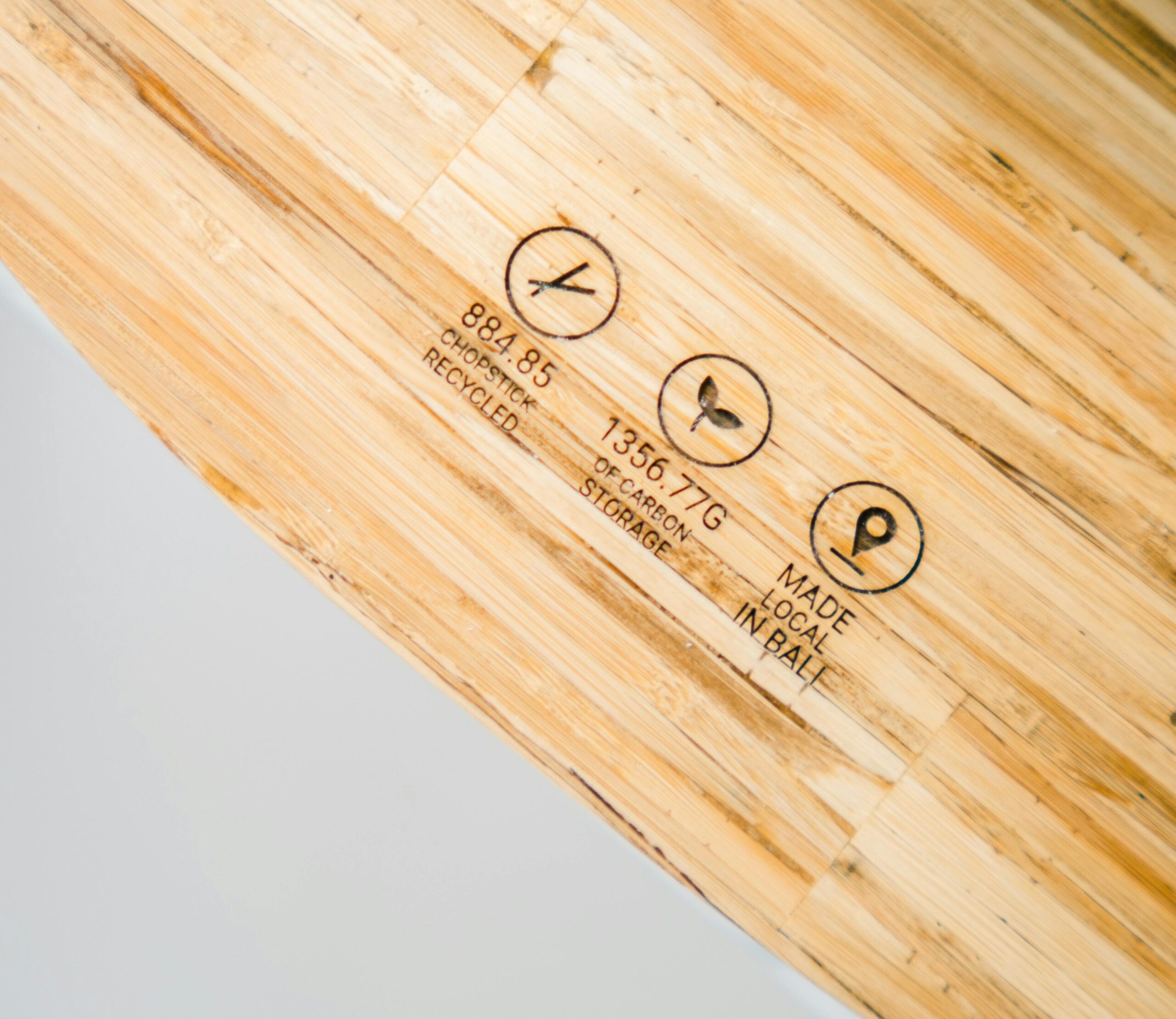
Circular design is reshaping how we approach product development, demanding innovation that satisfies both sustainability goals and performance expectations in today’s competitive marketplace.

🔄 Understanding the Circular Design Revolution
The shift toward circular economy principles has fundamentally altered the landscape of product design and manufacturing. Unlike the traditional linear model of “take-make-dispose,” circular design emphasizes keeping materials in use for as long as possible, extracting maximum value before recovering and regenerating products at the end of their service life.
This paradigm shift presents designers and engineers with a unique challenge: how to maintain or even enhance performance while adhering to circular constraints. These constraints include using recyclable materials, designing for disassembly, minimizing waste, and creating products with extended lifespans. The tension between these requirements and traditional performance metrics creates a complex optimization problem that demands innovative thinking.
Organizations worldwide are discovering that circular design isn’t just an environmental imperative—it’s becoming a competitive advantage. Companies that successfully balance circularity with performance unlock new market opportunities, reduce material costs, and build stronger brand loyalty among increasingly conscious consumers.
⚖️ The Performance-Circularity Tension
At the heart of circular design lies an apparent contradiction. High-performance products have historically relied on specialized materials, complex assemblies, and manufacturing processes that prioritize function over end-of-life considerations. Circular design flips this script, requiring designers to consider the entire lifecycle from the initial concept phase.
Performance metrics vary across industries, but they generally include durability, efficiency, user experience, and technical capabilities. Circular constraints might limit material choices, require simplified designs for easier disassembly, or mandate the use of recycled content that may have different properties than virgin materials.
Common Performance Challenges in Circular Design
When implementing circular design principles, teams frequently encounter specific obstacles that threaten product performance:
- Material limitations where recycled alternatives may have reduced strength or consistency
- Design complexity when products must be both durable and easily disassembled
- Cost considerations as circular materials or processes may initially be more expensive
- Technical trade-offs between longevity and adaptability for future upgrades
- Supply chain constraints when sourcing circular materials at scale
These challenges aren’t insurmountable, but they require strategic thinking and often, a fundamental reimagining of what “performance” means in a circular context.
🎯 Strategic Frameworks for Balance
Achieving the perfect balance between performance and circularity requires systematic approaches that integrate both considerations from the earliest design stages. Several proven frameworks help guide this integration.
The Hierarchical Design Approach
This methodology prioritizes design decisions based on their environmental impact while maintaining performance thresholds. The hierarchy typically flows from refuse (eliminating unnecessary features) through reduce, reuse, repair, refurbish, remanufacture, repurpose, and finally recycle. At each level, designers evaluate whether performance requirements can be met before moving to less preferred circular strategies.
By working through this hierarchy systematically, teams identify opportunities to enhance circularity without compromising critical performance attributes. For instance, a smartphone manufacturer might eliminate redundant components (refuse), use modular construction for easy battery replacement (repair), and ensure all materials are recyclable (recycle)—all while maintaining processing speed and user experience standards.
Performance-Weighted Material Selection
Material choice profoundly impacts both performance and circularity. Advanced selection processes now weight traditional performance criteria (strength, weight, thermal properties) alongside circular metrics (recycled content, recyclability, biodegradability, toxicity).
This balanced scoring system helps teams make informed trade-offs. A slightly heavier recycled aluminum alloy might score better overall than a lighter virgin composite that’s nearly impossible to recycle, especially when the weight difference has minimal impact on the product’s actual performance in use.
💡 Innovation at the Intersection
The most exciting developments in circular design happen when teams view constraints not as limitations but as catalysts for innovation. This mindset shift unlocks creative solutions that often outperform conventional approaches.
Biomimicry and Nature-Inspired Solutions
Nature operates in perfectly circular systems where waste from one process becomes input for another. Designers increasingly look to biological systems for inspiration, creating products that mimic natural efficiency and circularity while meeting rigorous performance standards.
Self-healing materials inspired by biological tissues, structural designs based on bone architecture, and adhesives that work like gecko feet exemplify how biomimicry delivers both circularity and enhanced performance. These solutions often eliminate the need for difficult-to-recycle synthetic alternatives while providing equal or superior functionality.
Modular Design Excellence
Modularity represents one of the most powerful tools for balancing performance and circularity. By designing products as assemblies of independent, standardized modules, manufacturers enable repair, upgrade, and eventual recycling without compromising during the use phase.
High-performance computing equipment, professional cameras, and even some furniture lines now embrace modularity. Users enjoy cutting-edge performance through regular module upgrades while the overall product platform remains in service far longer than traditional integrated designs. When components eventually fail, only that specific module requires replacement, dramatically reducing waste.
📊 Measuring Success in Both Dimensions
What gets measured gets managed. Organizations serious about balancing performance and circularity need robust metrics that capture both dimensions without creating perverse incentives that optimize one at the expense of the other.
Integrated Performance Indicators
Traditional key performance indicators focused narrowly on technical specifications, cost, and customer satisfaction. Circular design demands expanded metrics that include material circularity indicators, product longevity, repairability scores, and end-of-life recovery rates.
Leading companies now use dashboard approaches that display performance and circular metrics side-by-side, making trade-offs visible and facilitating informed decision-making throughout the development process. This transparency helps teams avoid local optimizations that harm overall system performance.
Lifecycle Performance Assessment
Point-in-time performance measurements miss critical aspects of circular value creation. A product that performs spectacularly when new but degrades quickly and cannot be repaired or recycled fails the circular design test, regardless of its initial specifications.
Comprehensive lifecycle assessments evaluate performance degradation over time, ease of maintenance, upgrade pathways, and end-of-life options. Products that maintain acceptable performance throughout extended lifecycles score higher than those with marginally better peak performance but shorter useful lives.
| Metric Category | Traditional Focus | Circular Design Focus |
|---|---|---|
| Performance | Peak specifications | Sustained performance over lifecycle |
| Materials | Cost and properties | Circularity potential and properties |
| Longevity | Warranty period | Total useful life including repairs |
| Value | Purchase price | Total cost of ownership plus residual value |
🏭 Industry-Specific Implementation Strategies
The optimal balance point between performance and circularity varies significantly across industries. What works for consumer electronics differs from automotive, fashion, or construction applications. Successful strategies account for industry-specific performance requirements and circular opportunities.
Electronics and Technology Sector
The electronics industry faces unique challenges with rapidly evolving performance expectations and complex material assemblies. Successful circular approaches focus on modular architectures that allow component upgrades, standardized interfaces that prevent premature obsolescence, and design for disassembly that enables material recovery.
Companies like Fairphone demonstrate that smartphones can achieve competitive performance while prioritizing repairability and material transparency. Their products may not lead performance benchmarks, but they define success more broadly, creating devices that balance adequate performance with exceptional circularity.
Fashion and Textiles
The fashion industry increasingly recognizes that performance in clothing means durability, comfort, and versatility—not just aesthetic appeal. Circular fashion initiatives focus on mono-materials that simplify recycling, durable construction techniques, timeless designs that resist trend cycles, and take-back programs that close material loops.
Performance textiles incorporating recycled content now match or exceed virgin alternatives in many applications. Technical innovations in fiber recycling, particularly for blended fabrics, continue expanding the possibilities for high-performance circular fashion.
Automotive and Transportation
Automotive design balances stringent safety and performance requirements with growing circular economy pressure. Lightweighting for efficiency must coexist with material recyclability. Electrical vehicle batteries present particularly complex challenges, requiring performance that ensures adequate range while enabling second-life applications and eventual material recovery.
Progressive manufacturers design vehicles with recycled content targets, remanufacturing programs for major components, and material passports that document composition for future recycling. These initiatives proceed without compromising the safety, reliability, and performance that consumers demand.
🔧 Practical Tools and Methodologies
Theory becomes reality through practical tools that help design teams navigate performance-circularity trade-offs during actual product development. Several methodologies have proven particularly effective.
Design for X (DfX) Integration
The Design for X framework traditionally included considerations like Design for Manufacturing, Design for Assembly, and Design for Reliability. Circular design adds new X factors: Design for Disassembly, Design for Repair, Design for Recycling, and Design for Longevity.
Rather than treating these as separate activities, leading teams integrate all relevant DfX considerations into unified design reviews. This holistic approach reveals synergies and conflicts early, allowing teams to find solutions that satisfy multiple objectives simultaneously.
Digital Twins and Simulation
Digital modeling technologies enable virtual testing of design alternatives against both performance and circular criteria before physical prototyping. Simulation can predict product behavior throughout multiple lifecycles, including repair scenarios, material degradation, and disassembly processes.
This computational approach dramatically reduces the cost of exploring design alternatives, making it feasible to optimize for multiple objectives. Teams can test hundreds of configurations to find solutions that maximize both performance and circularity rather than settling for obvious compromises.
🌍 The Business Case for Balance
Organizations implementing circular design might initially focus on environmental benefits, but the business case for balanced performance-circularity approaches extends far beyond sustainability reporting.
Resource efficiency translates directly to cost savings as circular approaches reduce material consumption and waste disposal expenses. Products designed for longevity and repair create ongoing customer relationships through service revenue, building predictable income streams that offset potential reduction in replacement sales.
Brand differentiation increasingly depends on authentic sustainability credentials. Companies that successfully balance performance with circularity differentiate themselves in crowded markets, commanding premium pricing and building customer loyalty that transcends traditional feature comparisons.
Regulatory trends worldwide favor circular approaches through extended producer responsibility, recycled content mandates, and right-to-repair legislation. Organizations that proactively develop balanced circular-performance strategies position themselves ahead of regulatory curves, avoiding rushed compliance efforts that compromise product quality.
🚀 Future Trajectories and Emerging Opportunities
The field of circular design continues evolving rapidly, with technological advances and methodological innovations constantly expanding the frontier of what’s possible. Several trends suggest that the performance-circularity trade-off will become less acute over time.
Advanced materials science increasingly delivers options that outperform traditional materials while offering superior circularity. Graphene, bio-based polymers, and engineered composites with embedded disassembly mechanisms exemplify how innovation can eliminate rather than merely manage design tensions.
Artificial intelligence and machine learning enable optimization across complex, multidimensional design spaces that human designers couldn’t fully explore. AI-assisted design tools will increasingly generate solutions that satisfy performance requirements while maximizing circularity, discovering non-obvious approaches that human intuition might miss.
Collaborative ecosystems where multiple organizations share responsibility for product lifecycles enable systemic circular approaches. When manufacturers, service providers, and recyclers cooperate from the design phase, they can create solutions that balance performance and circularity across the entire value chain rather than within individual organizations.
✨ Embracing the Challenge as Opportunity
The journey toward products that excel in both performance and circularity represents one of the defining design challenges of our era. Rather than viewing circular constraints as obstacles to performance, forward-thinking designers recognize them as creative challenges that drive innovation and unlock new forms of value.
Success requires shifting from sequential thinking—where circularity is considered after performance requirements are met—to integrated approaches where both objectives shape design from inception. This demands new skills, tools, and collaborative practices, but the rewards justify the investment.
Organizations that master this balance don’t just create better products; they build more resilient businesses, contribute to environmental sustainability, and help transition entire industries toward circular models. The perfect balance isn’t a fixed point but an ongoing journey of optimization, learning, and innovation.
As materials improve, technologies advance, and design methodologies mature, the boundaries of what’s possible continue expanding. Today’s performance-circularity compromises often become tomorrow’s outdated assumptions as innovations eliminate former trade-offs. The designers and organizations that embrace this challenge most enthusiastically will define the next generation of products—ones that prove sustainability and excellence aren’t competing priorities but complementary dimensions of truly superior design.