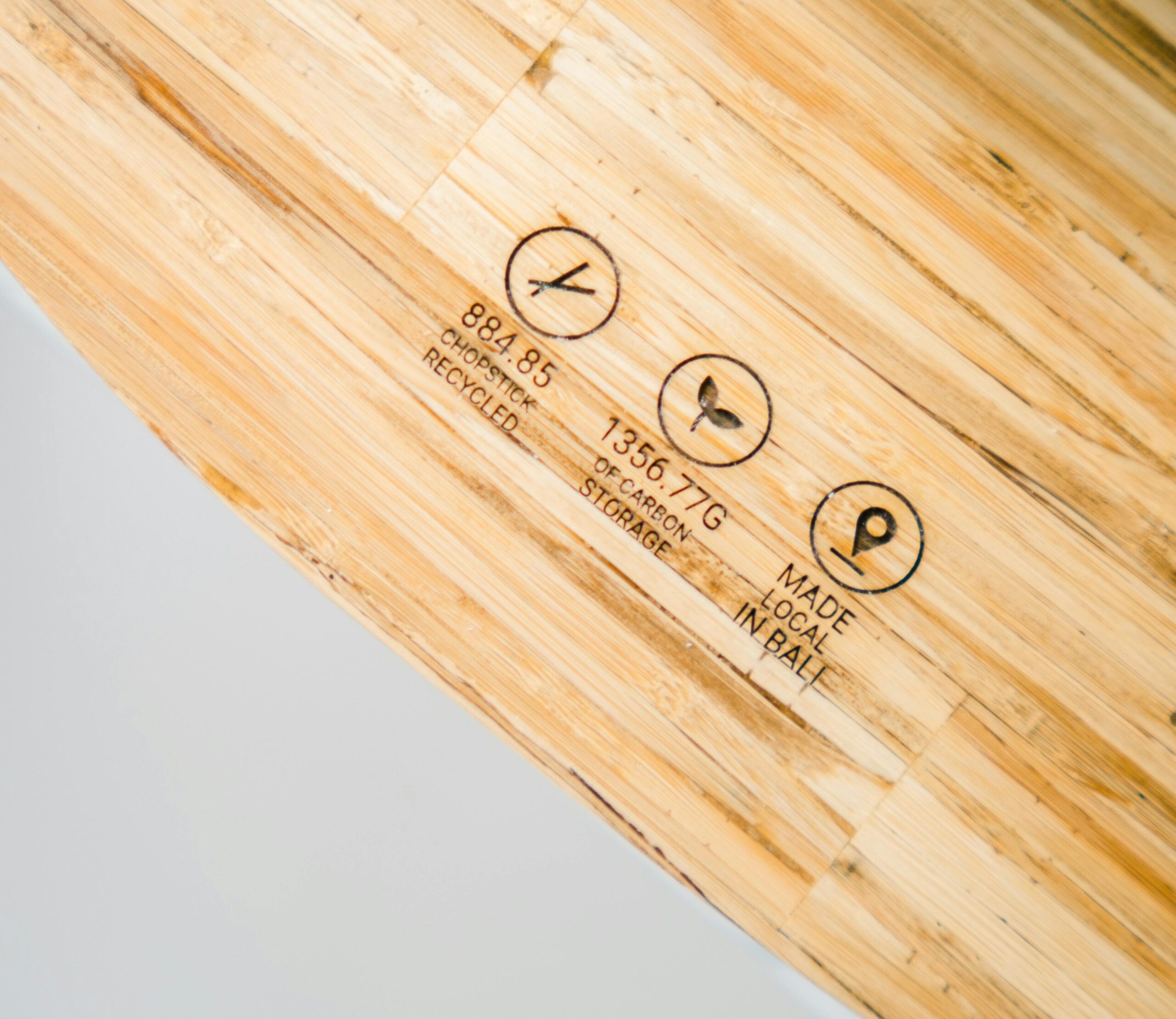
The circular economy is no longer a distant vision—it’s a present-day necessity. Product take-back systems are emerging as powerful catalysts for environmental transformation and business innovation.

🌍 Understanding Product Take-Back Systems: Beyond Traditional Recycling
Product take-back systems represent a fundamental shift in how businesses approach product lifecycle management. Unlike traditional linear models where products end their journey in landfills, these systems create closed-loop processes that recapture value from used products. Manufacturers design products with their eventual return in mind, accepting responsibility for items after consumers finish using them.
This approach transforms waste into resources, creating economic opportunities while reducing environmental impact. Companies implementing take-back programs collect used products, refurbish components, harvest materials, and reintegrate them into production cycles. The model challenges conventional “take-make-dispose” thinking and positions businesses as stewards of materials throughout their entire lifecycle.
Major corporations across industries—from electronics to fashion, automotive to furniture—are discovering that take-back systems offer competitive advantages beyond environmental credentials. These programs generate customer loyalty, provide valuable material supplies, and position brands as sustainability leaders in increasingly conscious markets.
The Environmental Imperative Driving Take-Back Innovation
Global waste generation continues accelerating at alarming rates. The World Bank estimates that worldwide waste production will increase 70% by 2050 without intervention. Electronic waste alone reached 53.6 million metric tons in 2019, with only 17% formally recycled. These statistics underscore the urgency of systemic solutions.
Product take-back systems directly address multiple environmental challenges simultaneously:
- Reducing raw material extraction and associated habitat destruction
- Decreasing manufacturing emissions by utilizing recovered materials
- Preventing toxic substances from contaminating soil and water
- Lowering transportation emissions through localized collection networks
- Minimizing landfill burden and methane generation
- Conserving finite resources for future generations
Climate change mitigation requires transforming production systems at their core. Take-back programs contribute significantly to carbon reduction goals by decreasing energy-intensive virgin material processing. Recycled aluminum, for instance, requires 95% less energy than producing new aluminum from bauxite ore.
Resource Scarcity and Economic Security
Beyond environmental concerns, resource security increasingly motivates take-back system adoption. Critical materials like rare earth elements, lithium, cobalt, and platinum face supply chain vulnerabilities due to geographic concentration and geopolitical tensions. Urban mining—recovering materials from used products—provides alternative supply sources that reduce dependency on extraction industries.
The European Union’s Critical Raw Materials Act exemplifies policy recognition of this strategic importance. Regulations increasingly mandate producer responsibility for end-of-life product management, transforming voluntary initiatives into business imperatives. Companies establishing robust take-back systems gain competitive positioning as regulations tighten globally.
🔄 How Product Take-Back Systems Actually Work
Effective take-back systems require sophisticated infrastructure and coordination across multiple stakeholders. The process typically follows several key stages, each presenting unique challenges and opportunities for optimization.
Collection represents the critical first step. Companies employ various strategies including mail-back programs, retail drop-off locations, collection events, and partnerships with third-party logistics providers. Convenience determines participation rates—consumers need accessible, simple return processes. Technology increasingly facilitates collection through apps that arrange pickups, provide prepaid shipping labels, or locate nearest drop-off points.
After collection, sorting and assessment determine appropriate processing pathways. Advanced technologies including artificial intelligence, robotics, and sensor systems improve efficiency and accuracy in identifying materials and components. Products may be directed toward refurbishment, remanufacturing, component harvesting, or material recycling depending on condition and economic viability.
Refurbishment and remanufacturing extend product lifespans by repairing and upgrading used items to like-new condition. This approach maximizes value retention—a refurbished smartphone retains significantly more economic worth than its separated materials. Companies like Patagonia and Apple have built substantial secondary markets around refurbished products.
Material recovery processes the remaining products that cannot be reused whole. Advanced recycling technologies extract pure materials for reintegration into manufacturing. Innovation in chemical recycling, particularly for plastics, expands possibilities for material circularity previously impossible with mechanical recycling alone.
Business Models Thriving Through Take-Back Programs
Forward-thinking companies recognize take-back systems as revenue generators rather than mere compliance costs. Several business model innovations demonstrate how product return programs create value across industries.
The Trade-In Model 💼
Trade-in programs offer customers credits toward new purchases when returning used products. This model drives customer retention while securing inventory for refurbishment or recycling. Apple’s trade-in program exemplifies this approach—customers receive gift cards for old devices, incentivizing upgrades within the Apple ecosystem while providing the company with valuable materials and refurbishable units.
The automotive industry has long employed trade-ins, but electric vehicle manufacturers are elevating the model. Tesla’s battery take-back ensures critical materials remain in circulation while addressing customer concerns about long-term battery disposal.
Product-as-a-Service Transformations
Some companies are abandoning traditional sales entirely, instead offering products as services. Customers pay for usage rather than ownership, with companies retaining assets throughout their lifecycle. Philips Lighting’s “lighting-as-a-service” provides illumination solutions while maintaining ownership of fixtures, ensuring proper maintenance and eventual material recovery.
This model aligns business incentives with durability and longevity—revenue depends on products lasting rather than rapid replacement cycles. Interface carpet tiles, Mud Jeans denim leasing, and Bundles washing machine subscriptions demonstrate diverse applications across sectors.
Deposit-Return Systems
Charging upfront deposits refunded upon product return creates powerful financial incentives for participation. This approach achieves remarkably high return rates—beverage container deposit systems often exceed 90% recovery. Expanding deposit-return beyond bottles to electronics, batteries, and packaging represents significant growth potential.
Germany’s bottle deposit system (Pfand) has become cultural infrastructure, with automated return machines ubiquitous in retail locations. Similar systems for electronics could dramatically increase recovery rates for valuable and hazardous materials currently lost to improper disposal.
🚀 Technology Enabling Next-Generation Take-Back Systems
Digital technologies are revolutionizing take-back system efficiency, transparency, and scalability. Innovation occurs across the entire value chain, from product design to final material processing.
Digital product passports embed products with data about composition, repair instructions, and end-of-life processing. QR codes, RFID tags, or blockchain-based systems provide detailed material information facilitating proper sorting and recycling. The European Union is implementing digital product passports for batteries, electronics, and textiles, creating standardized information systems for circular economy infrastructure.
Artificial intelligence optimizes collection logistics, predicting optimal pickup routes and timing. Machine learning algorithms improve sorting accuracy, identifying materials and contaminants faster than human workers. Computer vision systems coupled with robotics can disassemble complex products, a task previously requiring manual labor.
Platform technologies connect stakeholders throughout take-back ecosystems. Apps help consumers locate collection points, schedule pickups, or understand proper disposal procedures. B2B platforms match businesses with recyclers, creating marketplaces for secondary materials that improve economic viability of recovery operations.
Blockchain applications create transparent, traceable material chains. Tracking materials from original production through multiple use cycles provides verification for sustainability claims and regulatory compliance. This transparency builds consumer trust and enables new financing models based on verified circular practices.
Design for Take-Back: Creating Products That Return
The most effective take-back systems begin at the design stage. Products engineered for disassembly, repair, and material recovery dramatically improve end-of-life processing economics and environmental outcomes.
Design principles for circularity include modular construction allowing component replacement, standardized fasteners facilitating disassembly, material compatibility reducing contamination, and clear labeling identifying material composition. Fairphone exemplifies these principles—their smartphones feature easily replaceable components and transparent supply chains designed specifically for longevity and repair.
Material selection considerations extend beyond performance to include recyclability and material health. Eliminating hazardous substances, reducing material variety within products, and selecting materials with established recycling infrastructure all improve take-back system effectiveness.
Companies are discovering that design for circularity often reduces production costs while improving product quality. Simplified designs with fewer unique components streamline manufacturing and inventory management. Durability focus reduces warranty costs and builds brand reputation.
📊 Measuring Success: Metrics That Matter
Quantifying take-back system performance requires comprehensive metrics beyond simple collection volumes. Sophisticated organizations track multiple indicators providing holistic understanding of environmental and economic impacts.
| Metric Category | Key Indicators | Business Value |
|---|---|---|
| Collection Performance | Return rates, collection volumes, customer participation | Material supply security, program reach |
| Material Recovery | Recycling rates by material, purity levels, reuse percentages | Revenue from recovered materials, environmental impact |
| Economic Impact | Cost per unit collected, revenue from refurbishment, disposal cost avoidance | Program profitability, investment justification |
| Environmental Benefit | Carbon emissions avoided, landfill diversion, resource conservation | Sustainability reporting, brand positioning |
| Customer Engagement | Participation rates, repeat returns, satisfaction scores | Customer loyalty, program improvement insights |
Life cycle assessment provides comprehensive environmental accounting, quantifying impacts from raw material extraction through end-of-life processing. These analyses reveal true sustainability benefits and identify improvement opportunities across product lifecycles.
Transparency in reporting builds stakeholder trust. Leading companies publish detailed circularity reports documenting take-back program performance, challenges encountered, and improvement commitments. This transparency differentiates genuine commitment from superficial greenwashing.
Overcoming Barriers to Take-Back System Implementation
Despite compelling benefits, significant obstacles slow take-back system adoption. Understanding and addressing these challenges determines program success.
Economic Challenges
Establishing collection infrastructure requires substantial upfront investment before returns materialize. Reverse logistics—moving products from dispersed consumers to centralized processing—costs more than forward distribution. Fluctuating commodity prices create uncertainty around recovered material values, complicating financial planning.
Solutions include collaborative approaches where competitors share collection infrastructure, reducing individual company costs. Extended producer responsibility policies distribute costs across manufacturers while creating level competitive playing fields. Technology innovations continually reduce processing costs, improving economic viability.
Consumer Behavior and Awareness
Even well-designed programs fail without consumer participation. Awareness gaps, inconvenience, privacy concerns about data on returned electronics, and simple inertia all suppress return rates.
Effective communication campaigns educate consumers about program benefits and participation processes. Incentive structures—financial rewards, loyalty points, charitable donations—motivate action. Maximizing convenience through multiple collection channels accommodates diverse consumer preferences and circumstances.
Regulatory Complexity
Take-back programs navigate complicated regulatory landscapes varying by jurisdiction. Inconsistent requirements across markets increase complexity for multinational operations. Definitions of waste, recycling standards, and producer responsibility obligations differ substantially between regions.
Advocacy for harmonized regulations reduces complexity while industry collaboration develops best practice standards. Companies leading in sustainability often welcome stronger regulations that reward responsible practices and penalize free-riders.
🌱 Global Success Stories Lighting the Path Forward
Numerous organizations across industries demonstrate that well-executed take-back systems deliver environmental and business benefits simultaneously.
Patagonia’s Worn Wear program purchases used clothing back from customers, repairs items, and resells them at reduced prices. This initiative strengthens brand loyalty among environmentally conscious consumers while reducing manufacturing demand. Patagonia’s commitment to durability and repair directly supports the program’s viability—quality products retain value through multiple ownership cycles.
H&M’s garment collection program accepts any brand’s textiles at retail locations worldwide, providing discount vouchers for donations. Collected materials feed into recycling streams developing closed-loop textile systems. While challenges remain in textile recycling technology, H&M’s scale drives innovation investment and infrastructure development.
Dell’s closed-loop recycling recovers plastics from returned electronics and incorporates them into new products. This program demonstrates technical feasibility of true circularity in electronics manufacturing while securing material supplies insulated from commodity market volatility.
Interface carpet manufacturing pioneered take-back in industrial products. Their ReEntry program collects used carpet tiles, recovers materials, and reintegrates them into production. The company has diverted millions of pounds from landfills while reducing virgin material dependency and manufacturing emissions.
Policy Frameworks Accelerating the Transition
Government policies increasingly mandate or incentivize product take-back, recognizing that voluntary initiatives alone cannot achieve necessary scale and speed. Extended Producer Responsibility (EPR) regulations make manufacturers financially or physically responsible for end-of-life product management, internalizing disposal costs previously borne by municipalities.
Europe leads in EPR implementation with comprehensive directives covering electronics, batteries, vehicles, packaging, and increasingly textiles. These regulations stimulate innovation in circular business models while ensuring minimum environmental standards.
Emerging policies like France’s repairability index and right-to-repair legislation complement take-back systems by extending product lifespans before end-of-life. California’s electronics recycling programs and various state bottle bills demonstrate diverse policy approaches within single nations.
Effective policies balance environmental ambitions with economic realities, providing transition periods and support for small businesses while driving systematic change. The most successful frameworks engage industry in development processes, incorporating practical insights while maintaining ambitious environmental targets.
The Investment Landscape and Future Growth Potential 💰
Financial markets increasingly recognize circular economy opportunities, directing capital toward take-back infrastructure and enabling technologies. Impact investors, venture capitalists, and traditional financial institutions are funding innovations across the value chain.
The circular economy represents a multi-trillion dollar opportunity according to various analyses. Material recovery alone creates substantial value, but refurbishment, remanufacturing, and service models multiply potential returns. Companies demonstrating circular capabilities attract premium valuations reflecting lower regulatory risks, enhanced brand value, and material security.
Start-ups are attacking specific challenges within take-back ecosystems—reverse logistics platforms, AI sorting technologies, chemical recycling processes, and marketplace platforms for recovered materials. Corporate venture arms from established manufacturers invest in these innovations, seeking strategic advantages and technology access.
Green bonds and sustainability-linked financing provide capital specifically for circular economy initiatives. Financial institutions are developing specialized expertise in evaluating circular business models, creating dedicated investment vehicles, and establishing performance metrics that capture circularity value.

Building Tomorrow’s Circular Infrastructure Today
Product take-back systems represent foundational infrastructure for sustainable economies. Their expansion requires coordinated action across businesses, governments, investors, and consumers. Companies pioneering these systems gain competitive advantages while contributing to environmental preservation.
The transition from linear to circular economic models is inevitable—resource constraints, climate imperatives, and regulatory pressures ensure continued momentum. Organizations establishing take-back capabilities now position themselves advantageously for the circular future while immediately capturing available benefits.
Success requires commitment beyond superficial initiatives. Genuine circularity demands redesigning products, restructuring supply chains, developing new partnerships, and fundamentally rethinking business models. The challenges are substantial but navigable, and early movers are demonstrating viable paths forward.
Technology continues advancing, reducing costs and expanding possibilities. Consumer consciousness keeps growing, creating demand for sustainable options. Policy frameworks are strengthening, creating supportive environments for circular innovations. The confluence of these forces creates unprecedented opportunities for organizations ready to embrace product take-back systems as core business strategy.
The question is no longer whether circular economy models will dominate but rather how quickly the transition occurs and which organizations will lead it. Product take-back systems are not peripheral environmental programs—they are central to building resilient, sustainable, and prosperous businesses in the 21st century. The power to revolutionize sustainability through these systems is not merely theoretical; it is being demonstrated daily by innovative organizations worldwide, modeling the greener future we collectively need to build. ♻️