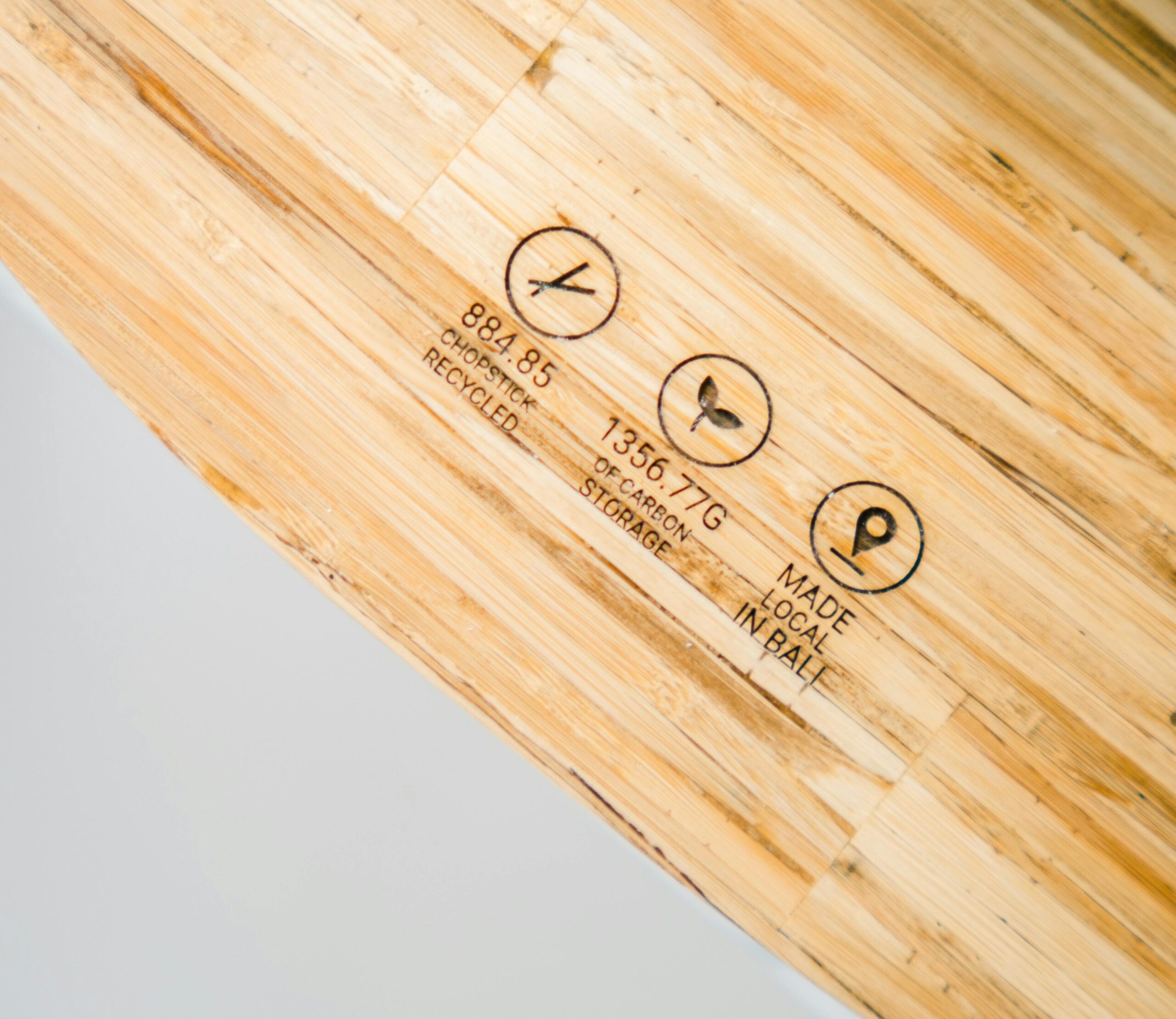
The circular economy is reshaping how businesses create value, moving beyond traditional linear models to embrace sustainability, innovation, and long-term resilience in an increasingly resource-constrained world.

🔄 Understanding the Circular Economy Paradigm Shift
The transition from a linear “take-make-dispose” economy to a circular model represents one of the most significant transformations in modern business history. Unlike traditional approaches where products reach end-of-life and become waste, circular economy principles emphasize keeping resources in use for as long as possible, extracting maximum value during use, and recovering materials at the end of each service life.
Design modeling plays a pivotal role in this transformation. It provides the strategic framework and practical tools businesses need to reimagine their products, services, and entire value chains. By integrating circular principles at the design stage, companies can fundamentally alter their environmental impact while discovering new revenue streams and competitive advantages.
This approach isn’t merely about recycling or reducing waste—it’s about systemic change that addresses resource scarcity, climate change, and economic volatility simultaneously. Organizations that embrace circular design modeling position themselves as industry leaders while contributing to global sustainability goals.
💡 Core Principles of Circular Design Modeling
Effective circular design modeling rests on several fundamental principles that guide decision-making throughout the business transformation process. These principles serve as the foundation for creating truly regenerative business models.
Design for Longevity and Durability
Creating products that last significantly longer than conventional alternatives reduces resource consumption and waste generation. This principle challenges the planned obsolescence mindset that has dominated consumer markets for decades. Businesses must consider material selection, construction techniques, and modularity to extend product lifespans dramatically.
Companies implementing this approach often discover that durable products strengthen customer relationships and brand loyalty. When consumers trust that a product will serve them reliably for years or decades, they develop deeper connections with the brand and become advocates for the company’s values.
Embrace Modularity and Adaptability
Modular design allows products to be easily disassembled, repaired, upgraded, and eventually recycled. This flexibility extends product life cycles while giving customers options to adapt products to changing needs without complete replacement. Digital tools and design software enable businesses to model these complex systems before physical prototyping, reducing development costs and time-to-market.
The modular approach also creates opportunities for new service models, such as component-level repairs, upgrade programs, and personalization options that generate ongoing customer engagement and revenue beyond the initial sale.
Material Selection and Resource Optimization
Circular design modeling requires careful consideration of material inputs, prioritizing renewable, recyclable, and non-toxic materials. Businesses must map their entire supply chain to understand material flows, identify opportunities for material substitution, and eliminate problematic substances that prevent effective recycling or cause environmental harm.
Advanced modeling tools help companies simulate different material scenarios, calculating environmental impacts, costs, and performance characteristics before committing to specific choices. This data-driven approach reduces risks while optimizing for both sustainability and business performance.
🎯 Strategic Business Models for Circular Success
Transitioning to a circular economy often requires fundamental changes to business models, not just product design. Several proven models have emerged that align profitability with circular principles.
Product-as-a-Service (PaaS) Models
Rather than selling products outright, companies retain ownership while providing the service or function customers actually need. This model aligns incentives perfectly with circular principles—since companies maintain ownership, they’re motivated to design for durability, repairability, and eventual material recovery.
Industries from lighting to transportation have successfully implemented PaaS models. Customers benefit from lower upfront costs, guaranteed performance, and freedom from maintenance responsibilities, while businesses gain predictable recurring revenue and deeper customer relationships.
Sharing Platform Models
Sharing platforms maximize asset utilization by connecting owners with users, dramatically reducing the total number of products needed to meet market demand. This model works particularly well for products with low utilization rates, such as tools, vehicles, or specialized equipment.
Design modeling for sharing platforms requires considering durability under heavy use, ease of maintenance, and user experience across diverse customer segments. Digital platforms facilitate these models, and businesses must integrate physical product design with digital service design for optimal results.
Takeback and Recycling Programs
Companies establish systems to reclaim products at end-of-life, recovering valuable materials for use in new products. This approach requires designing products for disassembly from the outset, establishing reverse logistics networks, and developing or partnering with recycling capabilities.
Successful takeback programs transform what was once a cost center (waste management) into a value source, reducing dependence on virgin materials while building customer loyalty through convenient disposal options and incentive programs.
🛠️ Practical Tools and Methodologies
Implementing circular design modeling requires specific tools and methodologies that help businesses analyze, plan, and execute their transformation strategies effectively.
Life Cycle Assessment (LCA)
LCA provides comprehensive analysis of environmental impacts across a product’s entire life cycle, from raw material extraction through production, use, and end-of-life. This methodology identifies hotspots where design changes can yield the greatest environmental benefits while informing trade-off decisions between different design options.
Modern LCA software integrates with design tools, enabling real-time feedback as designers make decisions. This integration accelerates the design process while ensuring sustainability considerations remain central throughout development.
Material Flow Analysis
Understanding how materials move through business systems is essential for identifying circular economy opportunities. Material flow analysis maps these movements, revealing inefficiencies, waste generation points, and opportunities to close loops by connecting waste streams with input needs.
This analysis often uncovers surprising insights, such as valuable materials currently being discarded or opportunities to collaborate with other businesses in industrial symbiosis arrangements where one company’s waste becomes another’s resource.
Circular Economy Business Model Canvas
Adapting the traditional business model canvas for circular economy principles helps companies systematically explore how circular strategies affect all aspects of their business. This framework encourages holistic thinking about value creation, delivery, and capture in circular contexts.
Teams can use this tool collaboratively to explore multiple scenarios, assess feasibility, and build consensus around transformation strategies before committing significant resources to implementation.
📊 Measuring Impact and Performance
Quantifying circular economy performance requires metrics that go beyond traditional financial measures to capture environmental and social value creation.
| Metric Category | Key Indicators | Business Value |
|---|---|---|
| Material Circularity | Percentage of recycled input materials, product lifespan extension, material recovery rates | Reduced raw material costs, supply chain resilience |
| Resource Efficiency | Energy consumption per unit, water usage, waste generation | Lower operating costs, regulatory compliance |
| Economic Performance | Revenue from circular models, cost savings, new market opportunities | Profitability, growth potential, investor appeal |
| Customer Impact | Customer lifetime value, satisfaction scores, brand perception | Market differentiation, customer loyalty |
Establishing baseline measurements before implementing circular strategies enables businesses to track progress, demonstrate value to stakeholders, and refine approaches based on performance data. Regular reporting on these metrics builds credibility with customers, investors, and regulators increasingly focused on sustainability performance.
🚀 Overcoming Implementation Challenges
Despite compelling benefits, businesses face significant challenges when transitioning to circular models. Understanding and preparing for these obstacles increases the likelihood of successful transformation.
Financial Investment and Risk Management
Circular business models often require substantial upfront investment in product redesign, new infrastructure, and capability development. Traditional financial analysis may undervalue long-term benefits while overweighting short-term costs, making it difficult to secure approval for circular initiatives.
Progressive companies address this challenge by developing comprehensive business cases that quantify risk reduction, future regulatory compliance, market differentiation, and long-term cost savings. Pilot projects and phased implementation approaches can demonstrate value while managing financial exposure.
Supply Chain Complexity
Circular economy models require unprecedented levels of supply chain visibility and collaboration. Companies must work closely with suppliers to ensure material traceability, establish reverse logistics for product returns, and potentially develop entirely new partnerships for recycling and remanufacturing.
Digital technologies, including blockchain for traceability and IoT sensors for product tracking, help manage this complexity. However, successful implementation ultimately depends on building strong relationships and aligned incentives across the value chain.
Organizational Culture and Capabilities
Shifting to circular models requires new skills, mindsets, and ways of working that may conflict with established organizational culture. Design teams must learn new methodologies, sales teams need to articulate different value propositions, and operations must manage reverse logistics alongside traditional supply chains.
Leadership commitment, comprehensive training programs, and celebrating early wins help build momentum for cultural transformation. Cross-functional collaboration becomes essential, breaking down silos that often characterize traditional organizational structures.
🌍 Industry Success Stories and Lessons Learned
Examining how pioneering companies have successfully implemented circular design modeling provides valuable insights and inspiration for businesses beginning their own journeys.
Fashion and Textiles Transformation
The fashion industry, historically associated with waste and environmental damage, has seen remarkable circular innovations. Companies are implementing rental models, designing for recyclability, and establishing takeback programs that transform post-consumer textiles into new fibers.
These initiatives demonstrate that even industries with complex global supply chains and fast-changing consumer preferences can embrace circularity profitably. Key success factors include transparency with customers about environmental impacts and making participation in circular programs convenient and attractive.
Electronics and Technology Sector
Technology companies face unique challenges due to rapid innovation cycles and complex products containing numerous materials. Leading firms have responded by designing modular products, establishing global takeback programs, and investing in advanced recycling technologies to recover valuable materials from electronic waste.
The sector has shown that circular approaches don’t inhibit innovation—in fact, design constraints often spark creative solutions that deliver both environmental and functional benefits. Refurbishment programs have created new market segments while extending access to technology for price-sensitive customers.
Manufacturing and Industrial Equipment
Heavy industry has embraced remanufacturing, where used products are restored to like-new condition at a fraction of the cost and environmental impact of new production. This approach maintains quality standards while dramatically reducing resource consumption.
Industrial companies have discovered that circular approaches strengthen customer relationships by providing cost-effective options for equipment upgrades and replacements while demonstrating shared commitment to sustainability goals.
🔮 Future Trends and Emerging Opportunities
The circular economy continues evolving rapidly, with emerging technologies and changing market conditions creating new opportunities for businesses willing to innovate boldly.
Artificial intelligence and machine learning are enhancing design optimization, enabling companies to simulate thousands of design variations to identify optimal solutions for circularity, performance, and cost. These technologies also improve sorting and recycling processes, making material recovery more economically viable.
Biotechnology offers possibilities for entirely new materials that are biodegradable, renewable, and potentially superior in performance to conventional alternatives. Bio-based materials could fundamentally reshape industries from packaging to construction.
Digital product passports, enabled by blockchain technology, will provide complete transparency about product composition, origin, and ownership history. This information facilitates repair, resale, and recycling while building consumer trust and enabling new regulatory compliance approaches.
Consumer consciousness continues rising, with younger generations particularly valuing sustainability and willing to adjust purchasing behavior accordingly. This trend creates competitive pressure favoring companies with genuine circular credentials while exposing greenwashing to increasing scrutiny.

💪 Taking Action: Your Circular Transformation Roadmap
For businesses ready to begin their circular economy journey, a structured approach maximizes success while managing risks and resources effectively.
- Conduct a comprehensive assessment of current products, services, and business models to identify circular economy opportunities and priorities
- Engage stakeholders across the organization and value chain to build understanding, alignment, and commitment to circular transformation
- Start with pilot projects that demonstrate value and build capabilities before scaling to broader implementation
- Invest in tools, technologies, and training that support circular design modeling and business model innovation
- Establish metrics and measurement systems to track progress, demonstrate impact, and guide continuous improvement
- Communicate transparently with customers and stakeholders about your circular economy journey, including both successes and challenges
- Collaborate with industry peers, academia, and policymakers to advance circular economy ecosystems that benefit all participants
The circular economy represents not just an environmental imperative but a tremendous business opportunity. Companies that master circular design modeling will lead their industries, capturing new markets while building resilience against resource constraints and regulatory pressures. The transformation requires commitment, investment, and patience, but the rewards—for businesses, society, and the planet—make the journey worthwhile.
Starting today positions your organization ahead of competitors who will eventually be forced to change by market conditions or regulations. By choosing to lead rather than follow, you shape the future of your industry while creating lasting value for all stakeholders. The circular economy isn’t coming—it’s already here, and the question isn’t whether to participate but how quickly and effectively you can transform your business to thrive in this new paradigm.