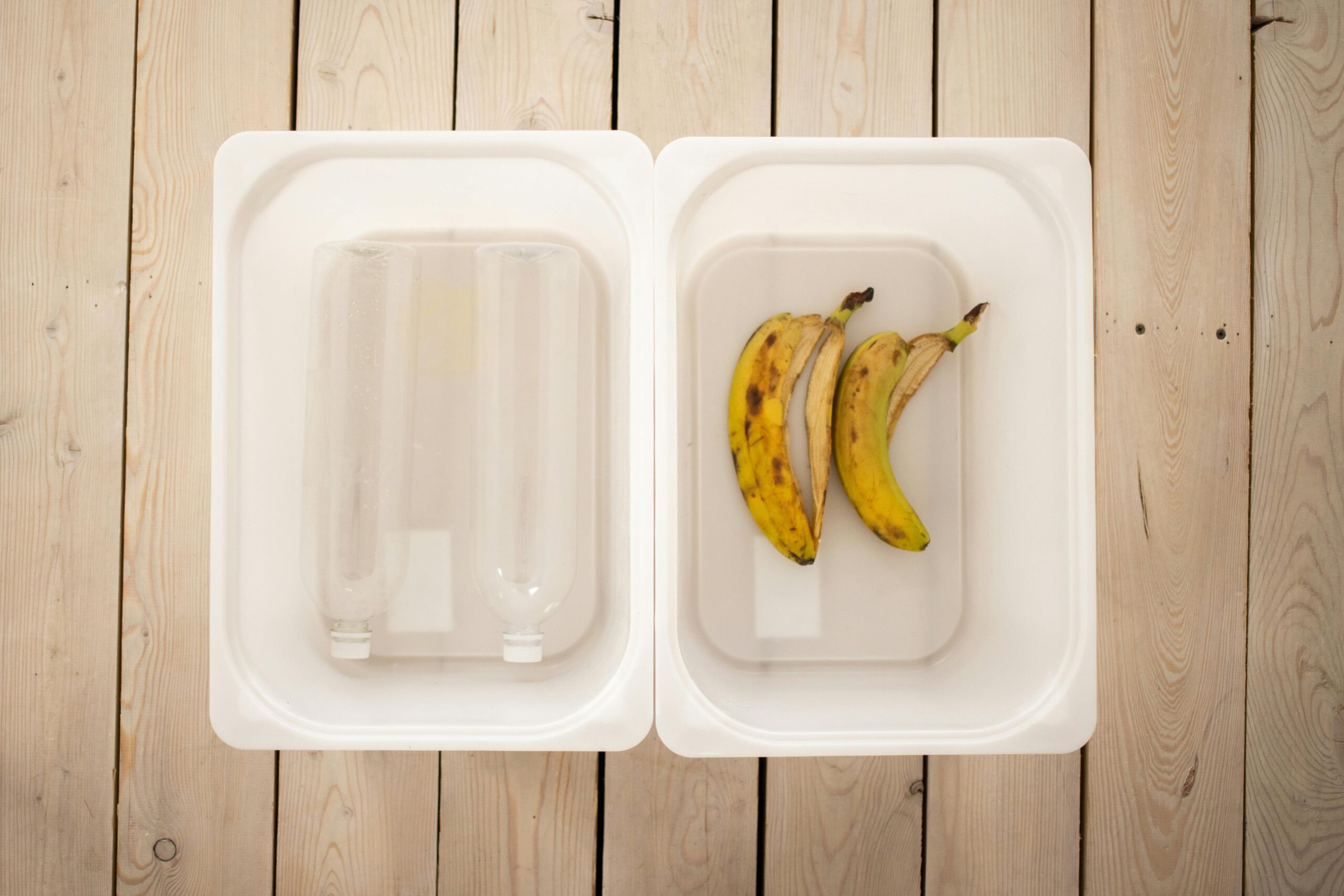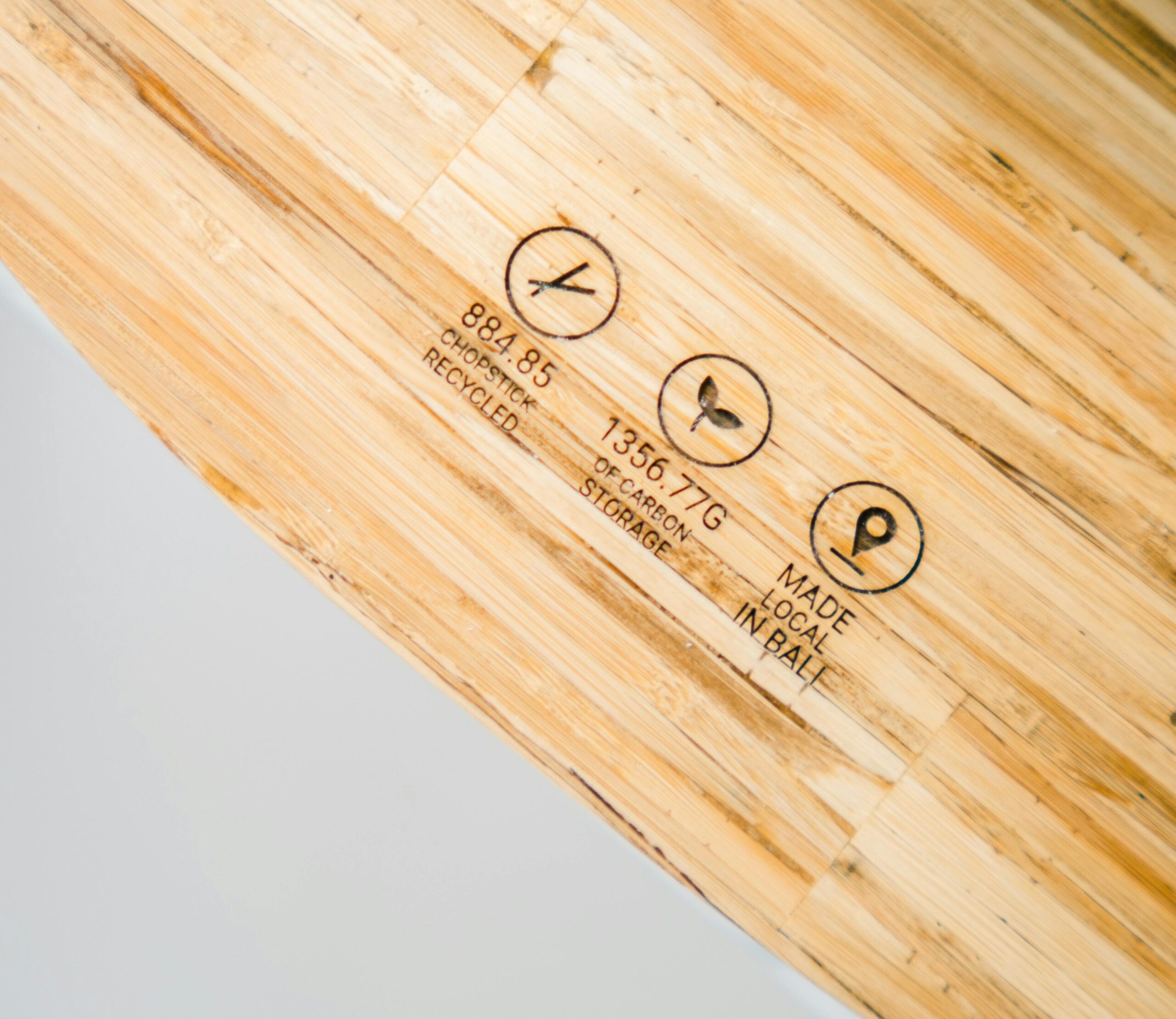
Circular modeling is transforming how businesses operate, offering sustainable solutions that reshape traditional linear approaches across multiple sectors worldwide.

The concept of circular economy has evolved from a theoretical framework into a practical, results-driven methodology that organizations are implementing to revolutionize their operations. Through detailed case studies and real-world applications, we’re witnessing how circular modeling creates value while minimizing waste, reducing environmental impact, and generating new revenue streams. This paradigm shift represents more than just environmental responsibility—it’s a strategic business advantage that forward-thinking companies are leveraging to stay competitive in an increasingly resource-constrained world.
🔄 Understanding Circular Modeling in Modern Business Context
Circular modeling represents a fundamental departure from the traditional “take-make-dispose” linear economy. Instead of extracting resources, manufacturing products, and discarding them after use, circular models design out waste and pollution, keep products and materials in use, and regenerate natural systems. This approach creates closed-loop systems where resources continuously circulate, maintaining their value and utility.
The power of circular modeling lies in its versatility and applicability across diverse industries. From manufacturing and fashion to technology and food production, organizations are discovering that circular principles can be adapted to their specific contexts while delivering measurable benefits. These benefits extend beyond environmental impact to include cost savings, innovation opportunities, enhanced brand reputation, and improved stakeholder relationships.
📊 Manufacturing Sector: Closing the Loop on Production Waste
The manufacturing industry has emerged as a pioneer in circular modeling implementation, with numerous case studies demonstrating remarkable transformations. Traditional manufacturing processes generated substantial waste streams, but circular approaches are changing this narrative entirely.
A prominent European automotive manufacturer implemented a comprehensive circular modeling strategy that transformed their production facilities. By redesigning their manufacturing process, they achieved a 90% reduction in production waste sent to landfills. The company established partnerships with suppliers to take back materials, implemented modular design principles allowing easy disassembly and component reuse, and created secondary markets for refurbished parts.
The financial results were impressive: the initiative generated €200 million in annual savings while reducing carbon emissions by 35%. More importantly, it created new business opportunities in remanufacturing and aftermarket services, demonstrating that circular modeling isn’t just about reducing harm—it’s about creating value.
Material Recovery and Reprocessing Systems
Advanced material recovery systems represent another critical aspect of circular manufacturing. Companies are investing in technologies that identify, sort, and reprocess materials with unprecedented precision. These systems use artificial intelligence and machine learning to optimize material flows, ensuring that resources maintain their highest possible value throughout multiple life cycles.
One electronics manufacturer developed a proprietary material recovery facility that processes returned products and manufacturing scrap. The facility recovers over 98% of materials from incoming electronics, separating precious metals, rare earth elements, and plastics for reintegration into new products. This closed-loop system reduced their dependence on virgin materials by 60% while creating a stable, cost-effective supply chain insulated from commodity price volatility.
👕 Fashion Industry: Weaving Sustainability into Every Thread
The fashion industry faces intense scrutiny regarding environmental impact, making it a critical testing ground for circular modeling principles. Several pioneering brands have embraced circular approaches, creating case studies that inspire industry-wide transformation.
A leading sportswear brand launched a circular design initiative requiring all products to meet specific circularity criteria. Products must be made from recycled or renewable materials, designed for recyclability, and supported by take-back programs. Within three years, this initiative transformed 75% of their product line, diverted millions of garments from landfills, and created a thriving secondary market.
The brand established collection points in retail locations where customers return used items for recycling or resale. Items in good condition enter the secondhand market, while worn-out products are mechanically or chemically recycled into new fibers. This approach creates multiple value streams: it generates revenue from secondhand sales, reduces raw material costs, strengthens customer loyalty, and positions the brand as an industry leader in sustainability.
Rental and Subscription Models Redefining Ownership
Circular modeling in fashion extends beyond recycling to fundamentally reimagine consumption patterns. Rental and subscription services represent business models aligned with circular principles, prioritizing access over ownership and maximizing product utilization.
Several fashion platforms have built successful businesses around clothing rental, offering customers access to designer garments for specific occasions or extended periods. These platforms handle cleaning, maintenance, and quality control, ensuring products remain in circulation for years rather than months. The model reduces overall garment production requirements while making high-quality fashion accessible to broader audiences.
💻 Technology Sector: Extending Product Lifecycles Through Circular Design
The technology sector faces unique challenges related to rapid obsolescence, complex supply chains, and hazardous materials. Circular modeling offers solutions addressing these challenges while creating business opportunities in refurbishment, remanufacturing, and materials recovery.
A major computer manufacturer redesigned their entire product portfolio around circular principles. They standardized components across product lines, used recyclable materials wherever possible, and designed products for easy disassembly and upgrade. Customers can return old devices through mail-in programs or retail drop-offs, with equipment assessed for refurbishment potential or materials recovery.
This circular approach created multiple business benefits. Refurbished products serve price-sensitive market segments, generating revenue while extending product lifecycles. Recovered materials reduce procurement costs and supply chain risks. The initiative also strengthened customer relationships through trade-in incentives and upgrade programs, increasing lifetime customer value.
Software-Driven Circular Solutions ⚡
Digital tools and platforms play crucial roles in enabling circular modeling across industries. Software solutions help organizations track materials, optimize resource utilization, facilitate secondary markets, and connect circular economy stakeholders.
Companies are developing specialized platforms that track products throughout their lifecycles, recording materials composition, maintenance history, and ownership changes. This information enables informed decisions about repair, refurbishment, or recycling at end-of-life. Blockchain technology ensures data integrity and transparency, building trust among circular economy participants.
🍽️ Food Systems: Nourishing Circular Innovation
Food production and distribution systems generate substantial waste while consuming enormous resources. Circular modeling principles applied to food systems address these inefficiencies through innovative approaches to production, distribution, and waste valorization.
An urban farming enterprise implemented circular principles by integrating aquaponics, composting, and renewable energy systems. Fish waste provides nutrients for vegetables grown hydroponically, while plant roots filter water returning to fish tanks. Food waste from local restaurants feeds black soldier fly larvae, which become fish feed. Solar panels power operations, creating a closed-loop system requiring minimal external inputs.
The enterprise produces fresh vegetables and fish for local markets while diverting organic waste from landfills. The model demonstrates how circular thinking creates resilient, localized food systems with significantly lower environmental footprints than conventional agriculture.
Food Waste Valorization Strategies
Progressive food companies are reconceptualizing “waste” as a valuable resource stream. By-products from food processing become ingredients for new products, animal feed, or bio-based materials. Upcycling transforms materials previously discarded into premium products commanding higher prices than the original items.
- Fruit and vegetable peels becoming natural food colorings and flavorings
- Brewery spent grain transformed into nutritious flour and protein supplements
- Coffee grounds converted into biodegradable cups and packaging materials
- Seafood processing by-products extracted for collagen and omega-3 supplements
- Dairy whey processed into high-value protein concentrates and isolates
These valorization strategies create additional revenue streams while reducing disposal costs and environmental impact. They represent circular modeling at its finest—turning problems into opportunities through creative thinking and innovative technologies.
🏗️ Construction Industry: Building Circular Futures
Construction accounts for significant resource consumption and waste generation globally. Circular modeling principles applied to construction and demolition activities are revolutionizing how buildings are designed, constructed, maintained, and eventually deconstructed.
A pioneering construction firm adopted circular principles requiring all projects to incorporate design for disassembly, material passports, and waste reduction targets. Buildings are designed with future adaptability in mind, using modular components and reversible connections allowing easy reconfiguration or deconstruction without destroying materials.
Material passports document every component’s composition, origin, and specifications, creating valuable data for future renovations or deconstruction. When buildings reach end-of-life, components can be carefully removed and reused rather than demolished and landfilled. This approach recovered materials valued at millions annually while reducing disposal costs and carbon emissions.
Reclaimed Materials Marketplaces
Digital platforms connecting suppliers of reclaimed construction materials with buyers are facilitating circular flows in the construction sector. These marketplaces make it economically viable to recover, store, and redistribute building materials, overcoming logistical challenges that previously made material reuse impractical.
Projects incorporating reclaimed materials demonstrate that circular construction doesn’t compromise quality or aesthetics. In fact, reclaimed materials often offer superior characteristics compared to modern alternatives, including old-growth timber with exceptional strength and stability, vintage bricks with unique character, and architectural salvage pieces that add distinctive features to new buildings.
📈 Measuring Success: Key Performance Indicators for Circular Models
Successful circular modeling implementation requires robust measurement frameworks tracking progress across multiple dimensions. Organizations are developing sophisticated metrics that capture both environmental and economic performance.
| Metric Category | Key Indicators | Strategic Value |
|---|---|---|
| Material Circularity | Recycled content percentage, material recovery rate, virgin material reduction | Tracks progress toward closed-loop systems |
| Product Longevity | Average product lifespan, repair rate, refurbishment volume | Measures success in extending product utility |
| Economic Performance | Cost savings, new revenue streams, material cost reduction | Demonstrates financial viability of circular approaches |
| Environmental Impact | Carbon footprint reduction, waste diversion, water consumption | Quantifies environmental benefits |
Leading organizations integrate these metrics into regular reporting and decision-making processes. They set ambitious targets for circular economy indicators alongside traditional financial metrics, signaling that circularity is central to business strategy rather than peripheral to it.
🌍 Overcoming Implementation Challenges
Despite compelling benefits, circular modeling implementation faces significant challenges. Organizations encounter technical obstacles, regulatory constraints, financial barriers, and cultural resistance. Understanding these challenges and developing strategies to address them is essential for successful circular transitions.
Technical challenges include designing products for circularity without compromising performance, developing reverse logistics systems for product returns, and establishing material processing capabilities. Companies address these through investment in research and development, partnerships with specialized service providers, and gradual implementation starting with pilot projects.
Regulatory environments sometimes create barriers to circular business models, with regulations designed for linear systems conflicting with circular approaches. Progressive organizations engage with policymakers to advocate for regulatory frameworks supporting circular economy development, including extended producer responsibility schemes, waste reduction targets, and incentives for circular business models.
Cultural Transformation and Stakeholder Engagement
Perhaps the most significant challenge involves cultural transformation—shifting mindsets from linear to circular thinking throughout organizations and value chains. This requires leadership commitment, employee education, supplier collaboration, and customer engagement.
Successful circular implementations feature comprehensive change management programs. Employees receive training on circular economy principles and how their roles contribute to circular objectives. Cross-functional teams break down silos that inhibit circular innovation. Recognition programs celebrate circular economy achievements, reinforcing desired behaviors and outcomes.
🚀 Future Trajectories: Where Circular Modeling is Heading
Circular modeling continues evolving, with emerging technologies and innovative business models expanding what’s possible. Artificial intelligence and machine learning optimize material flows and predict maintenance needs, extending product lifespans. Blockchain creates transparency and trust in circular value chains. Advanced materials science develops new materials designed specifically for circularity.
Digital product passports will become standard, providing comprehensive information about product composition, maintenance history, and end-of-life options. These passports will facilitate secondary markets, inform recycling processes, and enable regulatory compliance as governments implement stricter circular economy requirements.
Circular business models will proliferate beyond early adopters to become mainstream across industries. As resource constraints intensify and environmental regulations tighten, circularity will shift from competitive advantage to basic requirement for business operation. Organizations embracing circular modeling today are positioning themselves for long-term success in this emerging reality.

💡 Lessons from the Frontlines of Circular Transformation
Case studies reveal common patterns among successful circular modeling implementations. Organizations that thrive with circular approaches share certain characteristics: strong leadership commitment to sustainability, willingness to experiment and learn from failures, collaborative relationships with stakeholders across value chains, and patient capital willing to invest in long-term transformation rather than demanding immediate returns.
They also recognize that circular modeling isn’t a one-time project but an ongoing journey requiring continuous improvement and adaptation. They establish dedicated teams or positions responsible for driving circular economy initiatives, ensuring sustained focus and accountability. They measure and communicate progress transparently, building credibility with stakeholders and inspiring others to pursue similar paths.
Most importantly, successful organizations view circular modeling not as a constraint but as a catalyst for innovation. The challenge of eliminating waste and keeping resources in circulation sparks creative problem-solving that leads to breakthrough innovations, new market opportunities, and competitive advantages that would never have emerged from incremental improvements to linear business models.
The revolution powered by circular modeling is well underway, transforming industries through practical applications demonstrated in compelling case studies. From manufacturing floors to fashion runways, from technology laboratories to construction sites, circular principles are proving their power to create economic value while healing environmental damage. Organizations embracing this transformation aren’t just adapting to changing expectations—they’re actively shaping a future where prosperity and sustainability reinforce rather than contradict each other. The case studies examined here represent just the beginning of what’s possible when creativity, commitment, and circular thinking converge to revolutionize how we design, produce, consume, and regenerate the resources upon which all economic activity ultimately depends.