The future of packaging lies in circularity—a revolutionary approach that transforms waste into valuable resources while protecting our planet for generations to come.

In today’s environmentally conscious marketplace, businesses face mounting pressure to rethink their packaging strategies. Traditional linear models of “take-make-dispose” are no longer sustainable, economically viable, or socially acceptable. Circular design represents a paradigm shift that reimagines packaging not as an endpoint, but as a continuous cycle of reuse, regeneration, and renewal.
The packaging industry generates approximately 141 million tons of waste annually worldwide, with significant environmental consequences. However, circular design offers a compelling solution that benefits businesses, consumers, and the environment simultaneously. This comprehensive approach integrates sustainable materials, innovative design thinking, and systems-level changes to create packaging that minimizes waste while maximizing value.
🌍 Understanding Circular Design Principles in Packaging
Circular design fundamentally differs from traditional packaging approaches by eliminating the concept of waste altogether. Instead of designing products destined for landfills, circular packaging systems treat materials as perpetually valuable resources that flow through regenerative cycles.
The foundation of circular packaging rests on three core principles: designing out waste and pollution, keeping products and materials in use, and regenerating natural systems. These principles challenge conventional wisdom about packaging functionality and lifecycle management.
When implementing circular design, companies must consider the entire value chain—from raw material extraction through manufacturing, distribution, consumer use, and post-consumer recovery. This holistic perspective reveals opportunities for innovation that might otherwise remain hidden in siloed thinking.
The Biological and Technical Cycles
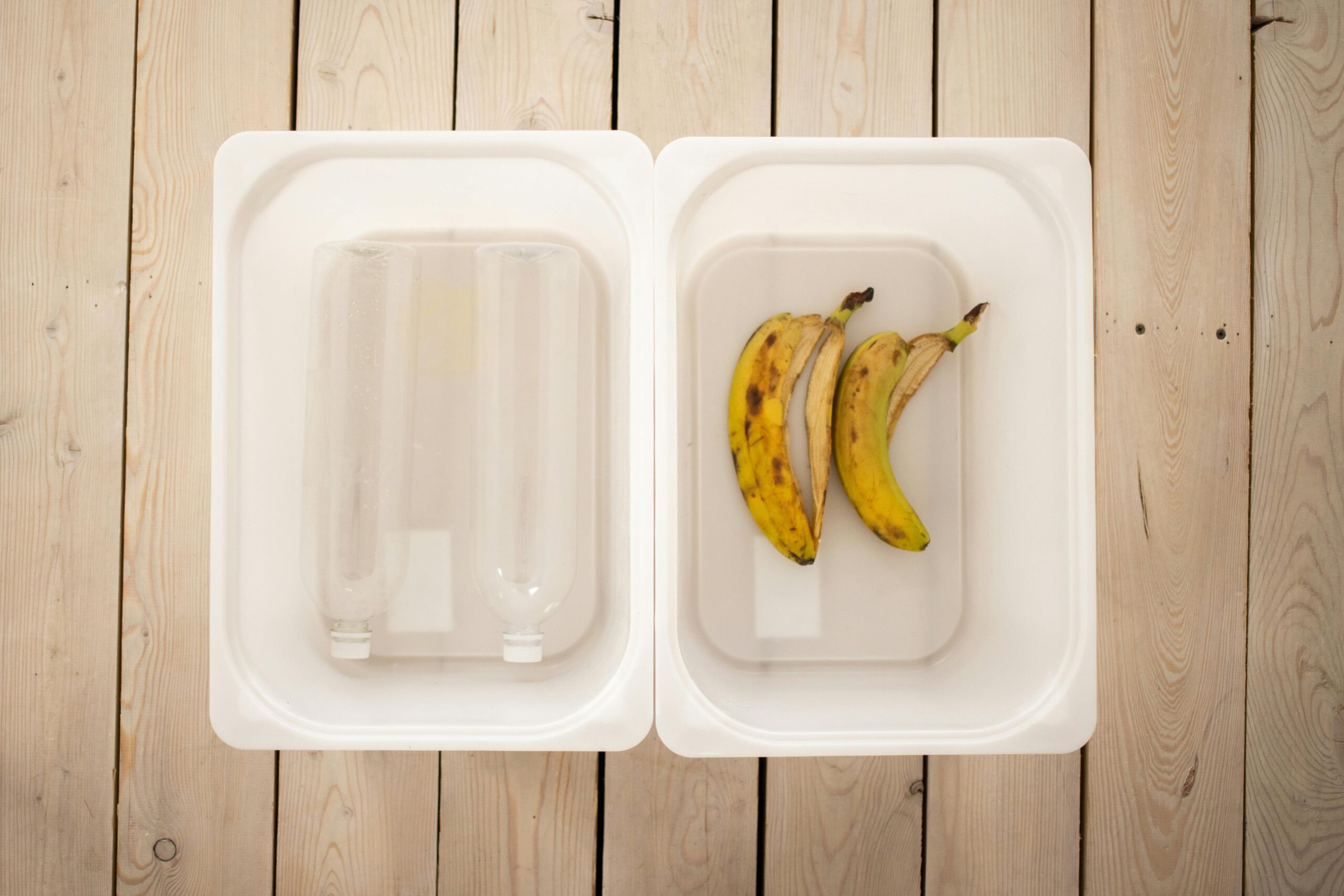
Circular economy frameworks distinguish between biological and technical nutrient cycles. Biological materials safely decompose and return nutrients to the earth, while technical materials circulate through industrial systems without quality degradation.
Packaging designers must determine which cycle suits their specific application. Food packaging might utilize compostable materials that enter biological cycles, while durable shipping containers could employ technical materials designed for infinite recycling.
This distinction prevents contamination between cycles and ensures materials maintain their highest value throughout multiple lifecycles. Mixed materials that cannot be separated often represent the greatest challenge to circularity.
♻️ Sustainable Materials Transforming Packaging Design
Material innovation drives the circular packaging revolution. Bio-based plastics derived from algae, mushroom mycelium, and agricultural waste offer renewable alternatives to petroleum-based polymers. These materials often provide comparable performance while significantly reducing carbon footprints.
Recycled content integration has advanced dramatically, with post-consumer recycled materials now achieving quality standards previously reserved for virgin materials. Modern sorting and processing technologies enable higher recycled content percentages without compromising structural integrity or aesthetic appeal.
Mono-material packaging solutions simplify end-of-life processing by eliminating multiple material layers that complicate recycling. Brands increasingly favor single-substrate designs that consumers can easily direct into appropriate recovery streams.
Innovative Material Applications
Seaweed-based packaging dissolves in water, offering zero-waste solutions for single-use applications. Companies have successfully deployed edible packaging films for food products, eliminating disposal requirements entirely.
Paper-based alternatives to plastic continue evolving with water-resistant coatings derived from natural waxes and plant-based polymers. These materials provide necessary protection while maintaining recyclability and compostability.
Recycled ocean plastic transforms environmental pollution into valuable packaging material, creating circular systems that actively clean ecosystems. Several major brands now incorporate marine plastic recovery into their supply chains.
🎨 Design Strategies for Maximum Circularity
Effective circular design requires strategic thinking from the earliest conceptual stages. Designers must balance functionality, aesthetics, brand communication, and end-of-life considerations simultaneously—a complex challenge requiring new methodologies and tools.
Minimalist approaches reduce material consumption while often improving user experience. Eliminating unnecessary packaging layers, reducing structural complexity, and optimizing package dimensions all contribute to circularity goals.
Modular design systems enable component replacement rather than complete package disposal. This approach proves particularly effective for durable packaging intended for multiple uses across extended timeframes.
Design for Disassembly
Creating packaging that consumers or recyclers can easily disassemble ensures material separation and proper stream diversion. Snap-fit connections, clearly marked material types, and intuitive separation points facilitate this process.
Avoiding permanent adhesives and welded joints wherever possible maintains material purity for recycling. When bonding remains necessary, designers should select compatible materials or easily removable connection methods.
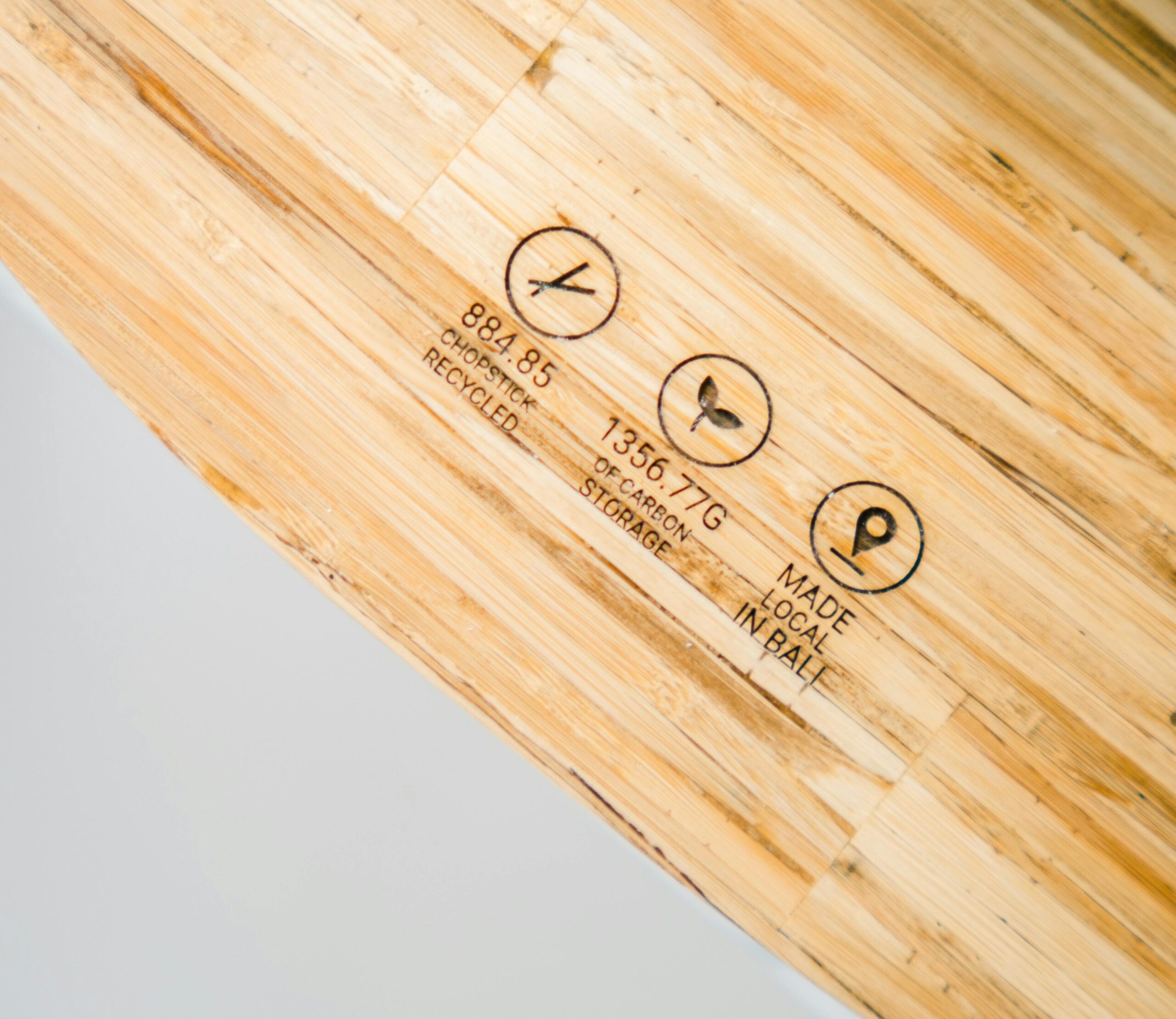
Clear communication through on-package labeling guides consumers through proper disassembly and disposal procedures. Visual instructions prove more effective than text alone, overcoming language barriers and literacy limitations.
📦 Reuse Systems: The Highest Form of Circularity
Reuse represents the most resource-efficient circular strategy, eliminating repeated manufacturing cycles. Returnable packaging systems have gained significant traction across industries, from e-commerce shipping containers to restaurant meal packaging.
Digital technologies enable sophisticated tracking and management of reusable packaging pools. QR codes, RFID tags, and mobile applications facilitate seamless consumer participation in return systems while providing valuable data for optimization.
Economic models for reuse systems vary from deposit-refund schemes to subscription services and retailer-managed programs. Each approach offers distinct advantages depending on product categories, distribution channels, and consumer behaviors.
Overcoming Reuse Barriers
Consumer convenience remains paramount for reuse system success. Return mechanisms must integrate smoothly into existing routines without imposing significant time or effort burdens.
Hygiene concerns require robust cleaning protocols and transparent communication about sanitation standards. Third-party certifications can build consumer confidence in reusable packaging safety.
Infrastructure development for collection, cleaning, and redistribution demands investment and coordination across supply chain partners. Collaborative industry initiatives often prove more effective than isolated company efforts.
🔄 Closing the Loop: Collection and Recycling Infrastructure
Even the most brilliantly designed circular packaging fails without effective collection and processing infrastructure. Brands increasingly recognize their responsibility extends beyond point-of-sale to ensure materials successfully reenter productive cycles.
Extended Producer Responsibility (EPR) programs shift end-of-life management costs and responsibilities to packaging producers, creating financial incentives for recyclability and reduced material usage.
Take-back programs operated directly by brands or through retail partnerships provide controlled collection channels that bypass municipal system limitations. These programs typically achieve higher recovery rates and material quality.
Advanced Recycling Technologies
Chemical recycling processes break polymers down to molecular building blocks, enabling infinite recycling loops without quality degradation. These technologies handle contaminated or mixed plastics that mechanical recycling cannot process.
Artificial intelligence and robotics enhance sorting facility efficiency, identifying and separating materials with unprecedented accuracy and speed. These improvements expand the range of packaging types viable for recycling.
Blockchain technology creates transparent material tracking from production through multiple lifecycle iterations. This visibility enables verification of recycled content claims and optimizes reverse logistics.
💡 Brand Success Stories Leading the Circular Revolution
Forward-thinking companies demonstrate that circular packaging drives both environmental and business benefits. These pioneers provide roadmaps for others beginning their circularity journeys.
A major cosmetics retailer eliminated virgin plastic from product packaging while introducing in-store refill stations. This initiative reduced packaging waste by 70% while increasing customer loyalty and store visits.
An international beverage company redesigned bottles with 25% less plastic and 100% recycled content, saving millions in material costs while achieving carbon reduction targets. Consumer research showed no negative perception impact from the changes.
Collaborative Industry Initiatives
Cross-industry coalitions accelerate circular packaging adoption by developing shared standards, pooling research investments, and creating scaled infrastructure. These partnerships overcome barriers individual companies cannot address alone.
The New Plastics Economy initiative convenes hundreds of organizations committed to circular plastic packaging. Members representing 20% of global plastic packaging production have made specific, measurable commitments with accountability mechanisms.
Regional packaging alliances facilitate knowledge sharing, best practice dissemination, and coordinated advocacy for supportive policy frameworks. These networks prove particularly valuable for small and medium-sized enterprises lacking internal expertise.
📊 Measuring Circularity Performance
Quantifying circular packaging progress requires robust metrics that capture multiple dimensions of environmental performance. Life cycle assessment provides comprehensive analysis of environmental impacts from raw material extraction through end-of-life.
Circularity indicators measure how effectively materials cycle through reuse, remanufacturing, and recycling rather than linear disposal. These metrics reveal opportunities for improvement that traditional waste metrics might miss.
Material flow analysis tracks packaging materials through economic systems, identifying leakage points where materials exit circular loops. This data informs targeted interventions for maximum impact.
Key Performance Indicators for Circular Packaging
- Recycled content percentage across packaging portfolio
- Recyclability rates in target markets based on available infrastructure
- Package-to-product weight ratio optimization
- Reuse cycle achievement before material recycling
- Virgin material reduction year-over-year
- Consumer participation rates in return/recycling programs
- Carbon footprint per package unit including end-of-life
- Water consumption throughout packaging lifecycle
🚀 Implementing Circular Design in Your Organization
Transitioning to circular packaging requires systematic organizational change spanning design, procurement, operations, and marketing functions. Leadership commitment and cross-functional collaboration prove essential for successful implementation.
Begin with comprehensive packaging audits identifying current materials, suppliers, costs, and end-of-life pathways. This baseline assessment reveals quick wins and longer-term transformation opportunities.
Set specific, measurable goals with clear timelines and accountability. Vague sustainability commitments rarely drive meaningful change, while concrete targets focus resources and enable progress tracking.
Building Internal Capacity
Invest in employee education about circular economy principles and their application to packaging design and management. Cross-functional workshops foster shared understanding and identify collaboration opportunities.
Partner with specialized consultants, material suppliers, and recycling companies to access expertise your organization may lack internally. These relationships accelerate learning curves and prevent costly mistakes.
Pilot projects test circular packaging concepts on limited scale before full deployment. This approach manages risk while generating learnings that inform broader implementation strategies.
🌱 Consumer Engagement and Behavior Change
Even perfectly designed circular packaging fails without consumer participation in return, reuse, and recycling systems. Effective communication strategies educate customers while making sustainable behaviors convenient and rewarding.
On-package instructions using simple language and clear visuals guide proper disposal or return. Testing these communications with target audiences ensures comprehension across diverse consumer segments.
Gamification techniques transform recycling and return behaviors into engaging experiences. Points, badges, and leaderboards tap into competitive motivations while building positive habit loops.
Transparency Builds Trust
Consumers increasingly demand proof of environmental claims rather than accepting marketing rhetoric. Third-party certifications, transparent supply chain information, and progress reporting against stated goals build credibility.
Storytelling about packaging circularity creates emotional connections beyond functional benefits. Sharing specific examples of how returned packaging becomes new products makes abstract concepts tangible and meaningful.
Soliciting customer feedback demonstrates genuine commitment while generating insights for continuous improvement. Many successful packaging innovations emerge from consumer suggestions and pain point identification.
🏛️ Policy and Regulatory Landscape
Government regulations increasingly mandate circular packaging practices, creating both compliance requirements and competitive advantages for early adopters. Understanding evolving policy frameworks enables proactive rather than reactive responses.
Extended Producer Responsibility laws now exist in numerous jurisdictions, requiring packaging producers to fund end-of-life management. These policies dramatically shift economic incentives toward recyclability and reduced material use.
Plastic ban legislation targets specific single-use formats, forcing companies to develop alternative solutions. Rather than viewing these regulations as burdens, leading companies recognize them as innovation catalysts.
Advocating for Supportive Policies
Businesses should actively engage in policy development processes, contributing technical expertise and practical perspectives. Well-designed regulations enable circular business models while poorly conceived rules create unintended consequences.
Industry associations provide collective advocacy platforms for promoting policies supporting circular packaging infrastructure investment, harmonized standards, and innovation incentives.
Public-private partnerships leverage government resources and private sector innovation to build circular economy infrastructure more rapidly than either sector could achieve independently.
💰 Economic Benefits of Circular Packaging
While environmental motivation drives many circular packaging initiatives, economic advantages increasingly prove compelling for businesses focused on bottom-line performance. Material cost savings, risk mitigation, and brand value enhancement deliver measurable financial returns.
Reducing material consumption directly decreases procurement costs, often offsetting investments in design optimization and alternative materials. These savings compound across product volumes and timeframes.
Volatility in virgin material prices creates supply chain risks that recycled content and bio-based alternatives can mitigate. Diversified material sourcing enhances resilience against market disruptions.
Revenue Opportunities from Circularity
Consumers demonstrate willingness to pay premiums for sustainably packaged products, with research indicating 5-10% price increases acceptable for verified environmental benefits. This premium offsets circular packaging investments while improving margins.
Reuse systems create ongoing customer relationships and touchpoints that single-use packaging cannot match. These interactions enable additional services, cross-selling opportunities, and valuable customer data collection.
Licensing circular packaging innovations to other companies generates new revenue streams while accelerating broader industry transformation. Intellectual property from sustainability investments becomes strategic assets.
🔮 Future Trends Shaping Circular Packaging
Emerging technologies and evolving consumer expectations will continue transforming packaging circularity in coming years. Organizations that anticipate these trends position themselves advantageously for long-term success.
Smart packaging incorporating sensors and connectivity will enable precise tracking throughout lifecycles, optimizing collection logistics and verifying material authenticity. Internet-of-Things integration makes packaging active participants in circular systems.
Biotechnology advances will produce novel materials with programmable properties, including controlled degradation timing and environmental responsiveness. These innovations will blur distinctions between packaging and products themselves.
Zero-waste business models will become mainstream rather than niche, with packaging elimination prioritized over even circular alternatives. Unpackaged retail, reusable container services, and direct-to-consumer refills will expand significantly.

🌟 Taking Action Toward Packaging Transformation
The circular packaging revolution is not a distant possibility but an urgent present imperative. Climate change, resource scarcity, and consumer expectations demand immediate action from businesses across all sectors and scales.
Starting small remains better than waiting for perfect solutions. Incremental improvements compound over time, creating momentum while generating learnings that inform subsequent initiatives. Perfectionism paralyzes progress.
Collaboration amplifies individual efforts, whether through industry partnerships, supply chain coordination, or knowledge sharing platforms. Circular systems inherently require collective action that transcends traditional competitive boundaries.
The packaging transformation journey challenges established practices and requires courage to experiment, fail, learn, and iterate. However, organizations embracing circular design position themselves not merely as environmentally responsible but as innovative leaders shaping the future marketplace.
By revolutionizing packaging through circular design, businesses contribute to environmental preservation while building more resilient, efficient, and profitable operations. This alignment of purpose and profit represents sustainable business strategy at its finest—creating value for companies, customers, and the planet simultaneously. The time for circular packaging is now, and the tools, knowledge, and economic incentives exist to make this transformation achievable for organizations ready to lead.