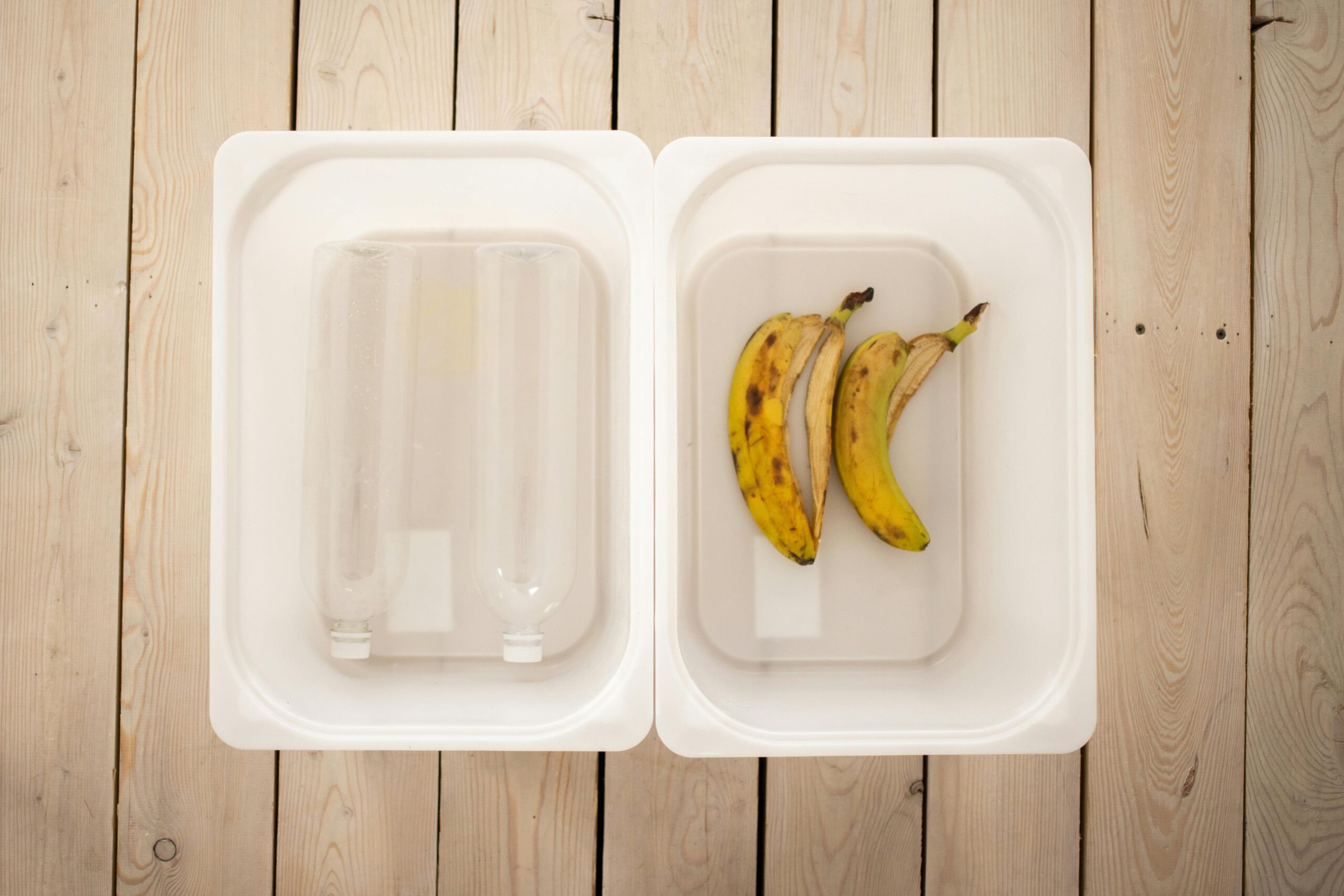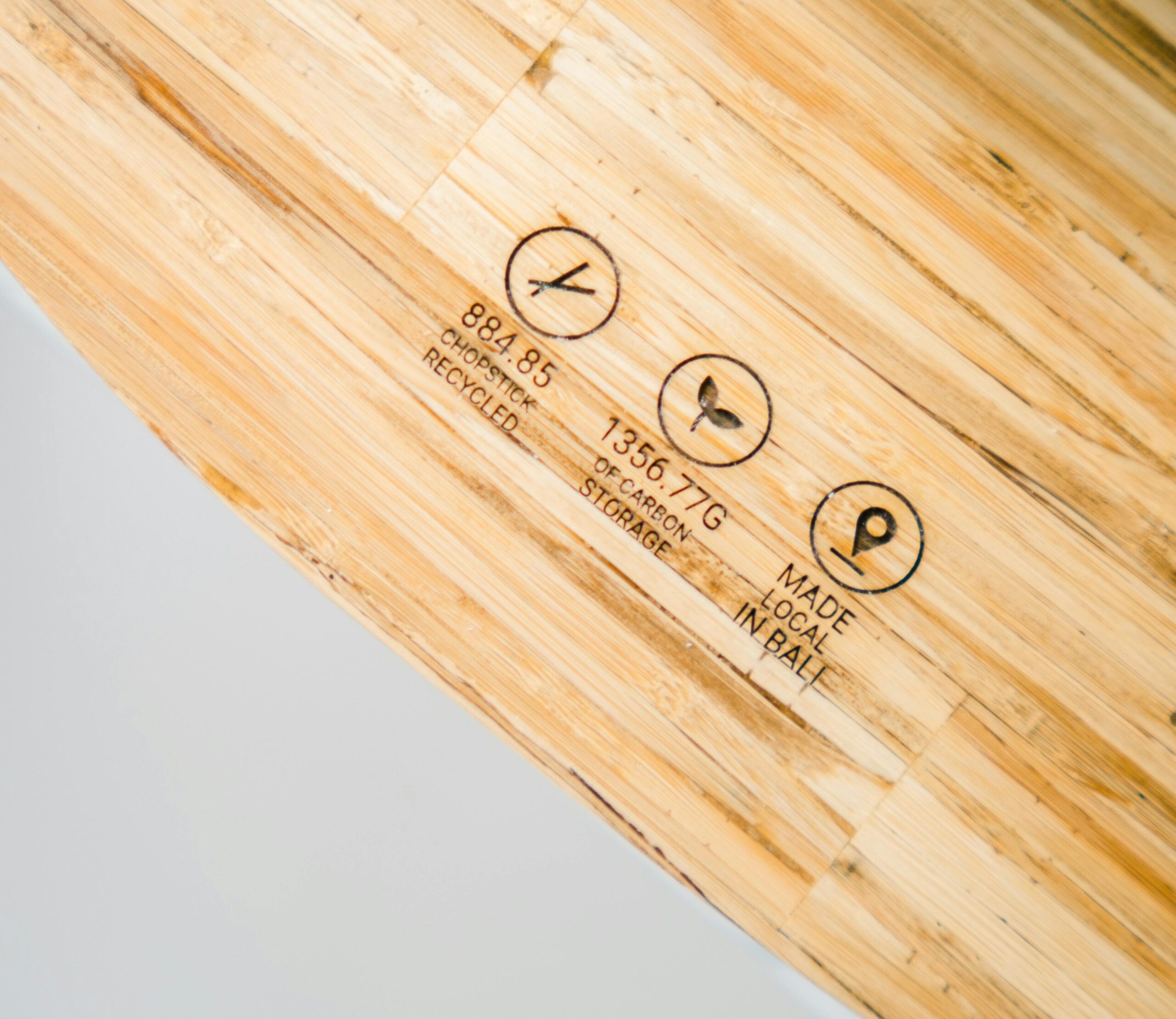
The transformation of discarded materials into valuable products represents one of the most promising frontiers in sustainable innovation, reshaping how we think about waste.

🌍 The Revolutionary Shift From Linear to Circular Economics
Our planet generates over 2 billion tons of solid waste annually, and this staggering figure continues to climb with population growth and urbanization. Traditional linear economy models—take, make, dispose—have pushed environmental systems to their breaking point. The circular economy offers a radically different approach, viewing post-consumer materials not as trash but as valuable resources waiting for rebirth.
Post-consumer materials are products that have completed their intended lifecycle and reached consumers’ hands before being discarded. These include everything from plastic bottles and aluminum cans to electronic waste and textile scraps. Unlike industrial waste generated during manufacturing, post-consumer waste presents unique challenges due to contamination, sorting difficulties, and degradation from use.
The circular economy framework fundamentally reimagines these materials as feedstock for new production cycles. This paradigm shift reduces extraction of virgin resources, minimizes landfill burden, decreases greenhouse gas emissions, and creates economic opportunities across collection, processing, and manufacturing sectors.
♻️ Breaking Down Post-Consumer Material Categories
Understanding the diverse landscape of recyclable materials helps illuminate the innovation opportunities within each category. Different material streams present distinct challenges and possibilities for transformation.
Plastics: The Most Complex Challenge
Plastic waste dominates global pollution conversations, with approximately 380 million tons produced annually and less than 10% effectively recycled. Post-consumer plastics include PET bottles, HDPE containers, polypropylene packaging, and countless other polymer variations. Each type requires specific processing methods, making comprehensive recycling systems complex to implement.
Innovative companies now transform these materials into everything from clothing fibers and construction materials to automotive components and furniture. Advanced sorting technologies using near-infrared spectroscopy and artificial intelligence dramatically improve separation efficiency, enabling higher-quality recycled outputs.
Metals: High-Value Recovery Opportunities
Aluminum and steel represent recycling success stories, with established infrastructure and economically viable recovery processes. Aluminum can be recycled indefinitely without quality degradation, requiring only 5% of the energy needed for virgin production. Post-consumer aluminum from beverage cans, food containers, and consumer products regularly returns to manufacturing streams.
Steel recycling similarly boasts impressive statistics, with over 70% of steel produced globally containing recycled content. Electronic waste provides additional metal recovery opportunities, containing precious metals like gold, silver, and palladium in higher concentrations than natural ore deposits.
Textiles: An Emerging Frontier
The fashion industry generates enormous waste volumes, with approximately 92 million tons of textile waste created annually. Post-consumer textiles include clothing, household linens, and industrial fabrics. Traditional recycling methods often downgrade fibers into insulation or cleaning rags, but emerging technologies now enable fiber-to-fiber recycling that maintains material quality.
Chemical recycling processes can break down blended fabrics into constituent polymers, overcoming limitations of mechanical recycling. These innovations address fast fashion’s environmental toll while creating premium recycled materials for new garment production.
🔬 Cutting-Edge Technologies Transforming Waste Streams
Technological innovation drives the practical feasibility of converting post-consumer materials into high-quality products. Recent breakthroughs expand what’s possible in material recovery and transformation.
Chemical Recycling Revolution
Chemical recycling breaks materials down to molecular levels, enabling purification and reformation into virgin-quality products. Pyrolysis converts plastics into oils usable as chemical feedstocks or fuels. Depolymerization returns polymers to monomer building blocks for repolymerization into new plastics indistinguishable from virgin materials.
These processes handle contaminated or mixed plastic streams that defeat mechanical recycling, dramatically expanding recyclable material volumes. Major petrochemical companies now invest billions in chemical recycling facilities, recognizing this technology’s transformative potential.
AI-Powered Sorting Systems
Artificial intelligence and robotics revolutionize material recovery facilities. Computer vision systems identify materials faster and more accurately than human sorters, distinguishing between dozens of plastic types, removing contaminants, and optimizing separation for downstream processing.
Machine learning algorithms continuously improve recognition accuracy, adapting to new packaging formats and material combinations. These systems increase recovered material purity, reducing contamination that previously relegated recyclables to landfills.
Biological Transformation Processes
Biotechnology offers nature-inspired solutions to waste challenges. Researchers develop enzymes and microorganisms that break down previously non-recyclable materials. Plastic-eating bacteria and fungi show promise for biodegrading persistent polymers. Biological processes also transform organic waste into valuable biochemicals, bioplastics, and other materials.
💡 Innovative Products Born From Reclaimed Materials
The market now features remarkable products demonstrating post-consumer materials’ potential, proving that recycled doesn’t mean inferior quality or limited applications.
Fashion and Textiles Leading the Way
Numerous brands now produce clothing from recycled ocean plastics, with each garment incorporating dozens of recovered bottles. Athletic wear companies create performance fabrics from fishing nets retrieved from oceans, combining environmental benefits with technical excellence.
Sneaker manufacturers produce shoes from recycled rubber, plastics, and textile waste, with some models containing over 90% recycled content. Luxury fashion houses increasingly incorporate recycled materials, legitimizing their use in premium products and challenging perceptions about recycled material quality.
Construction Materials Reimagined
The construction industry embraces post-consumer materials in surprising applications. Recycled plastic lumber provides durable, weather-resistant alternatives to wood for decking, fencing, and outdoor structures. Companies produce building insulation from recycled denim, newspapers, and plastic bottles.
Concrete formulations now incorporate recycled glass, plastic, and rubber, reducing cement requirements while disposing of problematic waste streams. Roads paved with asphalt containing recycled plastics demonstrate improved durability and temperature resistance compared to conventional formulations.
Consumer Electronics and Technology
Electronics manufacturers increasingly use recycled metals, plastics, and glass in devices. Some smartphone models contain recycled aluminum housings and rare earth elements recovered from electronic waste. Computer manufacturers offer products with ocean-bound plastic components.
These initiatives address electronics’ environmental footprint while securing supply chains against resource scarcity and price volatility. As virgin material costs rise and recycling technologies improve, economic incentives align with environmental benefits.
Packaging Innovations Close the Loop
Packaging represents a prime circular economy opportunity since most packaging serves single-use purposes. Food-grade recycled PET now returns to bottle production, creating closed-loop systems where bottles become bottles indefinitely.
Companies develop packaging from agricultural waste, mushroom mycelium, and other biodegradable materials that complement traditional recycling. These innovations reduce packaging’s environmental impact while maintaining protective functions and shelf appeal.
🚀 Business Models Driving the Circular Economy
Successful transformation of post-consumer materials requires innovative business approaches beyond traditional manufacturing and retail models.
Product-as-a-Service Transforming Ownership
Rather than selling products, companies offer services while retaining ownership of physical goods. This model incentivizes durability, repairability, and eventual material recovery. Carpet manufacturers lease flooring systems, recovering and recycling materials at lifecycle end. Lighting companies sell illumination services rather than bulbs, maintaining responsibility for hardware.
These arrangements ensure materials return to producers who possess expertise and infrastructure for effective recycling, dramatically increasing recovery rates compared to consumer-dependent recycling systems.
Reverse Logistics Networks
Efficient collection systems prove critical for capturing post-consumer materials before they reach landfills. Deposit-refund schemes demonstrate effectiveness, achieving recovery rates exceeding 90% for beverage containers in some jurisdictions.
Companies establish take-back programs allowing customers to return used products for recycling or refurbishment. Retail locations serve as collection points, leveraging existing infrastructure and customer traffic. Some brands offer discounts or loyalty rewards for returns, creating participation incentives.
Material Marketplaces and Exchanges
Digital platforms connect waste generators with companies seeking recycled feedstocks, creating liquid markets for post-consumer materials. These exchanges provide pricing transparency, standardize material grades, and facilitate transactions that might not occur through traditional waste management channels.
Blockchain technology enables material provenance tracking, allowing buyers to verify recycled content claims and material history. This transparency builds confidence in recycled materials while preventing fraud.
📊 Economic and Environmental Impact Analysis
Quantifying benefits demonstrates why stakeholders increasingly embrace post-consumer material utilization beyond environmental goodwill.
Resource Efficiency and Cost Savings
Recycled aluminum production requires 95% less energy than virgin production. Recycled paper uses 40% less energy than virgin pulp. These efficiency gains translate directly to cost savings and reduced greenhouse gas emissions.
As virgin resource extraction becomes more difficult and expensive—deeper mines, more remote deposits, lower ore grades—recycled materials become increasingly cost-competitive. Some recycled materials now cost less than virgin alternatives even without considering environmental externalities.
Job Creation and Economic Development
Recycling and remanufacturing industries create substantially more jobs per ton of material than landfilling or incineration. Collection, sorting, processing, and manufacturing from recycled materials provide employment across skill levels and geographic regions.
The circular economy could generate trillions in economic value by 2030 according to various estimates, representing significant growth opportunities for innovative companies and forward-thinking economies.
Environmental Benefits Beyond Waste Diversion
Utilizing post-consumer materials reduces pressure on natural ecosystems from extraction activities. Mining, logging, and petroleum extraction cause habitat destruction, water pollution, and biodiversity loss. Recycling reduces these impacts proportionally to virgin material displacement.
Manufacturing from recycled materials typically generates fewer air and water pollutants than virgin production. Greenhouse gas reductions from recycling prove substantial, with recycling and composting preventing 186 million metric tons of carbon dioxide equivalent emissions annually in the United States alone.
🔍 Overcoming Barriers to Widespread Adoption
Despite promising developments, obstacles still limit post-consumer material utilization at the scale necessary for meaningful environmental impact.
Contamination and Quality Concerns
Post-consumer materials often contain contaminants that complicate processing and limit applications. Food residue in packaging, mixed material construction, and improper sorting degrade recycled material quality.
Addressing these issues requires better consumer education, improved collection system design, and advanced cleaning technologies. Design for recyclability principles help by creating products easier to disassemble and process at end-of-life.
Economic Viability Challenges
Recycling economics depend on collection costs, processing expenses, and recovered material values. These factors fluctuate with commodity prices, making recycling profitably unpredictable. Low virgin material prices sometimes undercut recycled alternatives despite environmental advantages.
Policy interventions including recycled content mandates, virgin material taxes, and extended producer responsibility regulations help level playing fields between virgin and recycled materials.
Infrastructure and Scale Limitations
Many communities lack recycling infrastructure, particularly for materials beyond basic aluminum, paper, and plastic bottles. Specialty recycling for textiles, electronics, and complex products remains limited in geographic availability.
Scaling recycling operations requires capital investment and sufficient material volumes to achieve processing efficiency. Coordinated efforts between governments, industry, and communities prove necessary for developing comprehensive systems.
🌟 The Path Forward: Accelerating the Transition
Maximizing post-consumer material potential requires coordinated action across multiple stakeholders and intervention points.
Design Innovation From Concept Stage
Products designed for circularity dramatically improve end-of-life outcomes. This includes material choices favoring recyclability, modular construction enabling repair and upgrade, and elimination of problematic components that contaminate recycling streams.
Design guidelines and industry standards help mainstream circular design principles. Companies increasingly recognize that recyclability considerations during design prove far more effective than attempting to manage problematic products after market distribution.
Consumer Engagement and Behavior Change
Individual actions collectively determine recycling system effectiveness. Proper sorting, cleaning containers, and participation in return programs significantly impact material recovery rates and quality.
Education campaigns, convenient infrastructure, and positive incentives encourage participation. Making recycling easier than disposal—through accessible collection points and clear labeling—removes barriers to proper material handling.
Policy Frameworks Supporting Circularity
Government policies powerfully influence material flows and business incentives. Extended producer responsibility makes manufacturers responsible for end-of-life management, motivating design improvements and funding collection infrastructure.
Recycled content mandates create guaranteed demand for post-consumer materials, stabilizing markets and justifying processing investments. Green procurement policies leverage government purchasing power to support recycled products.

✨ Envisioning a Waste-Free Future
The journey from trash to treasure represents more than environmental necessity—it embodies innovation opportunity and economic potential. Post-consumer materials contain vast value currently lost to disposal systems designed for a resource-abundant past rather than a resource-constrained future.
Technologies, business models, and products emerging today demonstrate that recycling need not mean compromising quality or accepting inferior alternatives. Recycled materials increasingly match or exceed virgin material performance while offering environmental benefits and often economic advantages.
Realizing this potential requires continued innovation in collection, processing, and manufacturing technologies. It demands business creativity in developing circular models that keep materials in productive use. It needs policy frameworks that internalize environmental costs and reward sustainable practices.
Most importantly, it requires shifting mindsets to recognize that nothing is truly waste—only resources in the wrong place or form. As technologies advance and systems mature, the distinction between virgin and recycled materials will fade. Materials will simply flow through use cycles, maintaining value indefinitely.
This transformation is already underway. Companies generating billions in revenue from post-consumer materials prove business viability. Products demonstrating technical excellence show quality potential. Environmental improvements validate the approach’s necessity.
The transition from linear to circular systems represents one of this century’s defining challenges and opportunities. Success requires participation across society—innovative companies, supportive governments, engaged consumers, and creative designers all contributing to systems where trash truly becomes treasure and waste becomes an obsolete concept.