Microfiber pollution from textile dyeing is one of the fashion industry’s hidden environmental crises, silently contaminating our waterways and ecosystems with every wash cycle.

🌊 The Invisible Threat Lurking in Our Laundry
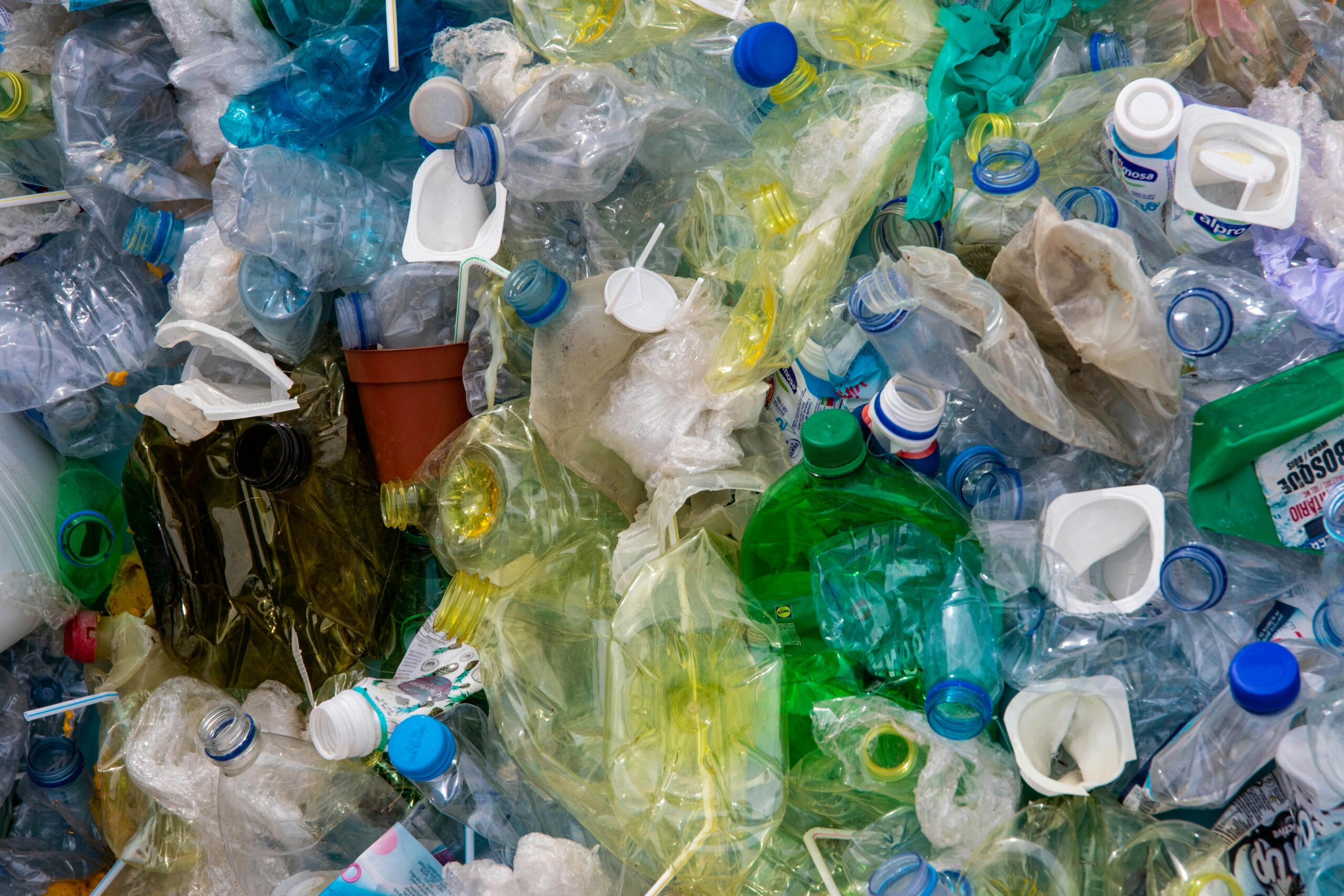
When we think about pollution from the fashion industry, images of smokestacks and chemical runoff typically come to mind. However, there’s a microscopic menace that’s been flying under the radar: microfiber pollution. These tiny synthetic fibers, measuring less than 5mm in length, are released during textile production, dyeing processes, and everyday washing. The scale of this problem is staggering—an estimated 500,000 tons of microfibers end up in our oceans annually, equivalent to 50 billion plastic bottles.
The dyeing process, in particular, represents a critical juncture where microfiber pollution can be either exacerbated or controlled. During wet processing, textile materials undergo mechanical stress, heat exposure, and chemical treatments that can weaken fiber structures and accelerate shedding. Understanding how to minimize microfiber release during these crucial manufacturing stages isn’t just an environmental imperative—it’s becoming a regulatory and market necessity.
Understanding Microfiber Pollution in Textile Dyeing
Microfibers are essentially fragments of synthetic textiles—primarily polyester, nylon, acrylic, and other petroleum-based materials. During the dyeing process, these materials are subjected to conditions that can significantly compromise fiber integrity. High temperatures, aggressive mechanical action, and chemical treatments all contribute to fiber fragmentation and surface degradation.
💧 What Happens During the Dye Process
The conventional dyeing process involves multiple stages where microfiber shedding can occur. Initially, fabrics undergo scouring and preparation treatments to remove impurities and improve dye uptake. This stage alone can cause significant fiber damage through exposure to alkaline solutions and elevated temperatures. Subsequently, the actual dyeing occurs at temperatures often exceeding 130°C under pressure, followed by rinsing, washing, and finishing processes.
Each of these stages creates opportunities for microfiber release. The mechanical agitation in dyeing machines, combined with thermal stress and chemical exposure, weakens the fiber structure. Studies have shown that fabrics can lose between 0.01% to 2% of their weight during processing, with a substantial portion of this loss attributable to microfiber shedding.
The Environmental and Health Consequences
The journey of microfibers from textile facilities doesn’t end at the factory gate. These microscopic particles travel through wastewater systems, often bypassing conventional treatment facilities that weren’t designed to capture such small particles. Once in aquatic environments, microfibers become vectors for toxic chemicals, absorbing pollutants like pesticides and heavy metals.
Marine life mistakes these fibers for food, leading to bioaccumulation throughout the food chain. Research has documented microfiber presence in over 114 aquatic species, including fish regularly consumed by humans. The human health implications are still being studied, but preliminary research suggests these particles can trigger inflammatory responses and may carry harmful chemicals into our bodies.
🔬 The Scale of Industrial Contribution
While consumer laundering receives significant attention in microfiber pollution discussions, industrial textile processing—particularly dyeing—contributes substantially to the problem. A single dyeing facility can process thousands of kilograms of fabric daily, with wastewater discharge potentially containing millions of microfibers per liter. Unlike household washing, industrial processes operate continuously at larger scales, making their cumulative environmental impact considerable.
Innovative Solutions to Reduce Microfiber Shedding
Addressing microfiber pollution in dye processes requires a multi-faceted approach combining technological innovation, process optimization, and material science advancements. Fortunately, the textile industry is developing practical solutions that can significantly reduce microfiber release without compromising fabric quality or production efficiency.
🧵 Fabric Pre-Treatment Strategies
One of the most effective approaches involves preparing fabrics to be more resistant to fiber shedding before they enter the dyeing process. Enzymatic treatments can smooth fiber surfaces and reduce loose ends that are prone to breaking off. Plasma treatments represent another cutting-edge option, modifying surface properties to enhance fiber cohesion without using harsh chemicals.
Pre-consolidation treatments apply protective coatings or cross-linking agents that bind fibers more tightly together. These treatments have demonstrated reductions in microfiber shedding of up to 70% during subsequent processing stages. The key is selecting treatments that don’t interfere with dye uptake or final fabric properties.
Process Parameter Optimization
Carefully controlling dyeing conditions can dramatically reduce mechanical stress on fabrics. Lower liquor ratios—the ratio of water to fabric—minimize mechanical action during processing. Modern dyeing machines equipped with gentler circulation systems can achieve excellent dye penetration while reducing fiber damage.
Temperature ramping strategies also prove beneficial. Instead of rapidly heating fabrics to dyeing temperature, gradual temperature increases allow fibers to adapt to thermal stress more effectively. Some facilities have reduced microfiber shedding by 40% simply by extending their heating cycles by 15-20 minutes.
Advanced Filtration and Capture Technologies
When prevention strategies can’t eliminate all microfiber release, capture technologies become essential. Installing appropriate filtration systems in wastewater streams represents a critical line of defense against environmental contamination.
🛡️ Multi-Stage Filtration Approaches
Effective microfiber capture typically requires multiple filtration stages with progressively finer mesh sizes. Initial screening removes larger particles and fiber clumps, followed by microfiltration systems capable of capturing particles down to 1-5 microns. The most advanced systems incorporate ultrafiltration membranes that can trap particles as small as 0.01 microns.
Emerging technologies include electrocoagulation systems that aggregate microfibers into larger clumps more easily removed by conventional filtration. Magnetic filtration, where microfibers are tagged with magnetic particles, offers another promising avenue for efficient capture and removal.
Sustainable Filter Management
Capturing microfibers is only part of the solution—proper disposal of filter residues is equally important. Progressive facilities are exploring ways to recycle captured microfibers back into textile production or convert them into alternative products like insulation materials or composite reinforcements. This circular approach transforms a waste problem into a resource opportunity.
Material Innovation: The Long-Term Solution
Perhaps the most promising path forward involves developing textile materials that simply don’t shed microfibers in the first place. Material scientists and textile engineers are creating next-generation fabrics with inherently superior fiber retention characteristics.
🌱 Biodegradable Synthetic Alternatives
New fiber technologies based on biodegradable polymers offer the performance characteristics of conventional synthetics while breaking down naturally if they enter the environment. Materials like polylactic acid (PLA) fibers, lyocell, and other bio-based synthetics provide promising alternatives. While these materials can still shed during processing, the environmental persistence is dramatically reduced.
Some manufacturers are developing hybrid fibers that combine natural and synthetic components in ways that enhance durability while maintaining biodegradability. These innovations could fundamentally transform the microfiber pollution equation over the coming decade.
Enhanced Fiber Construction
Engineering improvements in how fibers are spun and constructed can significantly reduce shedding propensity. Continuous filament yarns shed fewer fibers than staple fiber constructions. Tighter yarn twists, optimized fiber blends, and improved spinning techniques all contribute to creating more robust fabrics less prone to fiber loss.
Some companies are developing “self-sealing” fiber technologies where surface treatments or fiber construction methods cause loose fiber ends to bond back to the fabric structure, essentially healing small breaks before fibers can detach completely.
Implementing Change: Practical Steps for Dye Houses
For textile processors ready to tackle microfiber pollution, a systematic implementation approach ensures both environmental benefits and operational efficiency. The transition doesn’t require complete facility overhauls but rather strategic improvements that can be phased in over time.
📋 Assessment and Baseline Establishment
Begin by measuring current microfiber discharge levels. Simple filtration tests on wastewater samples can quantify the problem and establish benchmarks for improvement. Understanding which processes and fabric types generate the most microfibers allows for targeted intervention strategies.
Conduct a thorough process audit examining every stage from fabric receiving through final washing. Document mechanical actions, chemical exposures, temperature profiles, and handling procedures. This comprehensive view reveals optimization opportunities that might otherwise go unnoticed.
Prioritized Intervention Strategy
Not all changes deliver equal impact. Focus first on high-volume processes or those handling particularly problematic materials. Implementing gentler mechanical handling, optimizing chemical formulations, and installing basic filtration typically delivers the most immediate results with reasonable investment.
Create a phased implementation timeline that balances environmental benefits, cost considerations, and operational disruption. Quick wins build momentum and demonstrate feasibility, making it easier to secure buy-in for more substantial investments later.
Economic Benefits of Microfiber Reduction
Addressing microfiber pollution isn’t just an environmental obligation—it increasingly makes economic sense. As regulations tighten and consumer awareness grows, facilities that proactively address this issue gain competitive advantages.
💰 Direct Cost Savings
Reducing fiber loss during processing means less material waste. While individual fibers represent tiny amounts, at industrial scales this translates to measurable fabric savings. Some facilities have documented material savings exceeding their filtration system costs within two years.
Water and energy consumption often decrease when processes are optimized to reduce microfiber shedding. Gentler mechanical action requires less energy, while improved process efficiency can reduce water requirements. These operational savings accumulate continuously, improving profitability while reducing environmental impact.
Market Access and Brand Value
Major brands are increasingly requiring their suppliers to demonstrate microfiber pollution mitigation strategies. Facilities that can document effective programs gain preferred supplier status and access to premium markets. Consumer-facing brands leverage these capabilities in marketing, differentiating their products in environmentally conscious market segments.
Proactive compliance positions facilities ahead of emerging regulations rather than scrambling to meet mandates after enforcement begins. This forward-looking approach avoids costly emergency retrofits and potential production disruptions.
Collaborative Industry Initiatives
Individual facilities cannot solve the microfiber pollution problem alone. Industry-wide collaboration accelerates solution development and creates standardized approaches that benefit everyone.
🤝 Knowledge Sharing Platforms
Industry consortia like the Microfiber Consortium bring together textile manufacturers, brands, researchers, and technology providers to share best practices and develop standardized testing methodologies. These collaborative efforts prevent duplicated research and accelerate the adoption of proven solutions.
Open-source testing protocols allow facilities to assess their microfiber impacts using consistent methodologies, creating comparable data that drives industry-wide improvements. Participating in these initiatives provides access to cutting-edge research and practical implementation guidance.
Regulatory Landscape and Future Outlook
Regulatory pressure around microfiber pollution is intensifying globally. The European Union is developing specific microfiber discharge limits for textile facilities, while several countries are implementing extended producer responsibility schemes that hold manufacturers accountable for their products’ entire lifecycle environmental impacts.
California and other progressive jurisdictions are considering legislation requiring microfiber capture systems in both industrial and residential washing applications. Facilities that establish robust microfiber reduction programs now will find compliance significantly easier as regulations evolve.
🔮 Emerging Technologies on the Horizon
Research institutions and technology companies are developing next-generation solutions that promise even greater microfiber reduction capabilities. Nanotechnology-based fiber treatments, advanced bio-based polymers, and AI-optimized process control systems represent just a few innovations approaching commercial viability.
Digital technologies enabling real-time monitoring of microfiber discharge will soon allow facilities to dynamically adjust processes based on continuous feedback. This precision approach maximizes both environmental performance and operational efficiency.
Taking Action Today for Tomorrow’s Waters
The microfiber pollution challenge, while significant, is not insurmountable. Textile dyeing facilities have numerous practical options for dramatically reducing their microfiber contributions to environmental contamination. From simple process adjustments to advanced filtration systems and innovative materials, solutions exist across the cost and complexity spectrum.
The key is recognizing that addressing microfiber pollution isn’t a single solution but rather a comprehensive approach combining prevention, capture, and material innovation. Facilities that embrace this challenge position themselves as industry leaders while contributing meaningfully to protecting our shared water resources.
Every microfiber prevented from entering our waterways represents a small victory in the larger battle for environmental sustainability. Collectively, these victories add up to cleaner oceans, healthier ecosystems, and a more sustainable textile industry. The time to act is now—our waters cannot wait.