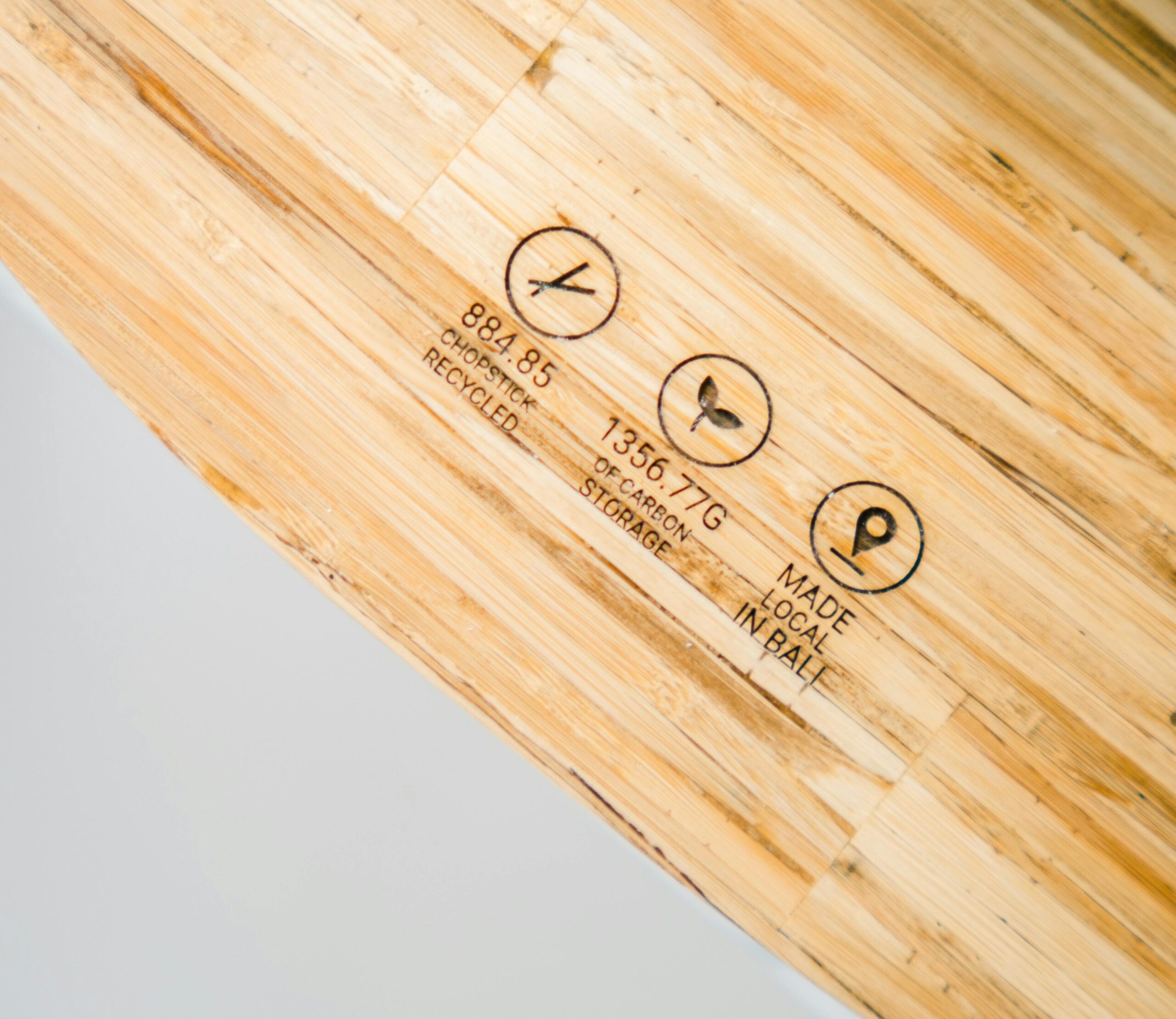
The textile industry stands at a pivotal crossroads, where innovation meets environmental responsibility. Bio-based fiber transformation technologies are emerging as game-changers in sustainable manufacturing.

🌱 The Environmental Imperative Driving Bio-based Innovation
The global textile industry has long been criticized for its substantial environmental footprint. Traditional synthetic fibers derived from petroleum consume vast amounts of non-renewable resources and contribute significantly to microplastic pollution. The urgency for sustainable alternatives has never been more pronounced, with consumers, regulators, and industry leaders alike demanding radical change in how we produce and consume textiles.
Bio-based fibers represent a fundamental shift in textile production philosophy. These materials derive from renewable biological sources—plants, algae, bacteria, and even agricultural waste—offering a pathway toward circular economy principles. Unlike conventional synthetic fibers that persist in ecosystems for centuries, bio-based alternatives promise biodegradability and reduced carbon emissions throughout their lifecycle.
The transformation isn’t merely about substituting one material for another; it encompasses revolutionary processing technologies, genetic engineering breakthroughs, and sophisticated bioengineering techniques. These innovations are reshaping the entire value chain, from raw material cultivation through fiber production to final textile manufacturing.
Breaking Down Bio-based Fiber Categories
Understanding the landscape of bio-based fibers requires recognizing their diverse origins and production methodologies. These materials fall into several distinct categories, each with unique characteristics and transformation requirements.
Natural Cellulosic Fibers Reimagined
Traditional cellulosic fibers like cotton and flax are experiencing renaissance through biotechnology. Scientists are developing genetically modified cotton varieties requiring less water and pesticides, while advanced processing techniques extract fibers from previously unutilized plant sources. Hemp, bamboo, and nettle are gaining commercial viability through innovative mechanical and chemical transformation processes that enhance fiber quality while minimizing environmental impact.
The transformation of wood pulp into regenerated cellulosic fibers represents another frontier. Technologies like lyocell production utilize closed-loop solvent systems, recovering and reusing over 99% of processing chemicals. This approach dramatically reduces environmental burden compared to traditional viscose production, which has historically been associated with hazardous chemical discharge.
Protein-Based Fiber Innovation
Protein fibers derived from milk casein, soy, and even spider silk genes inserted into bacteria or yeast offer remarkable properties. These materials combine the comfort of natural fibers with performance characteristics rivaling synthetics. Fermentation-based production methods allow precise control over fiber specifications, creating customized materials for specific applications.
Laboratory-grown silk represents perhaps the most exciting development in this category. By introducing silk-producing genes into microorganisms, companies are producing authentic silk proteins without raising silkworms. This biotechnological approach offers scalability and consistency impossible with traditional sericulture.
Algae and Bacterial Cellulose
Marine and microbial sources present entirely new fiber possibilities. Algae cultivation requires minimal land and freshwater while absorbing carbon dioxide, making it exceptionally sustainable. Bacterial cellulose grown in controlled fermentation tanks produces ultra-pure fibers with unique structural properties, ideal for technical textiles and medical applications.
🔬 Transformation Technologies Reshaping Production
The journey from biological raw material to finished textile fiber demands sophisticated transformation technologies. Recent innovations have dramatically improved efficiency, reduced environmental impact, and expanded material possibilities.
Advanced Biorefinery Concepts
Modern biorefineries integrate multiple processes to maximize value extraction from biological feedstocks. Rather than focusing solely on fiber production, these facilities produce fibers alongside biofuels, biochemicals, and other valuable co-products. This integrated approach improves economic viability while minimizing waste streams.
Enzymatic treatments are replacing harsh chemical processes throughout fiber transformation. Specific enzymes can selectively break down lignin, separate cellulose, and modify fiber surfaces with precision impossible through traditional chemical methods. These biological catalysts work under mild conditions, reducing energy consumption and eliminating toxic byproducts.
Nanotechnology in Fiber Engineering
Nanoscale manipulation allows researchers to engineer fiber properties at molecular levels. Nanocellulose extracted from plant matter exhibits extraordinary strength-to-weight ratios and can be incorporated into composite materials or spun into standalone fibers. Surface modifications at nanoscale enhance properties like water repellency, antimicrobial activity, or electrical conductivity without compromising biodegradability.
Synthetic Biology and Metabolic Engineering
Perhaps the most revolutionary transformation technology involves reprogramming living organisms to produce custom-designed fiber materials. Through synthetic biology, scientists engineer bacteria, yeast, or algae to synthesize specific polymers with predetermined characteristics. This approach essentially converts microorganisms into biological factories, producing fibers through fermentation processes similar to brewing.
Companies are already commercializing fibers produced through precision fermentation. These materials can replicate properties of conventional textiles while offering superior performance characteristics. The production process requires significantly less land, water, and energy compared to agricultural or petroleum-based alternatives.
Economic Viability and Scaling Challenges 💼
Despite impressive technological advances, bio-based fiber transformation faces significant scaling challenges. Production costs currently exceed conventional synthetic alternatives in most cases, limiting market adoption beyond premium segments.
Investment in production infrastructure represents a substantial barrier. Transforming laboratory innovations into industrial-scale operations requires capital-intensive facilities and specialized equipment. Many promising technologies remain stranded in pilot phases, unable to attract sufficient funding for commercial expansion.
Raw material supply consistency poses another challenge. Agricultural feedstocks experience seasonal variations and competition from food production. Establishing dedicated supply chains for non-food biomass requires coordination across agricultural sectors and infrastructure development for collection and transportation.
However, economic indicators are trending favorably. As production volumes increase, economies of scale reduce per-unit costs. Simultaneous rising petroleum prices and stricter environmental regulations narrow the cost gap between bio-based and conventional synthetic fibers. Several analysts predict cost parity within the next decade for select fiber categories.
Performance Characteristics and Application Opportunities
Bio-based fibers are shedding their historical reputation as inferior substitutes. Advanced transformation technologies now produce materials matching or exceeding conventional fiber performance across multiple parameters.
Technical Performance Metrics
Modern bio-based fibers demonstrate impressive tensile strength, durability, and resistance to degradation during use. Specific transformation processes can tune properties like moisture management, thermal regulation, and tactile characteristics to meet exacting specifications for apparel, home textiles, or industrial applications.
Functional properties integration distinguishes many bio-based alternatives. Natural antimicrobial characteristics, UV protection, and flame resistance can be inherent or enhanced through transformation processes. These built-in functionalities reduce the need for chemical treatments typically applied to conventional textiles.
Diverse Application Landscapes
While fashion and apparel capture significant attention, bio-based fiber transformation technologies enable applications across diverse sectors. Technical textiles for automotive interiors, geotextiles for civil engineering, and medical textiles for healthcare represent substantial market opportunities where performance requirements align well with bio-based fiber characteristics.
High-performance sports apparel represents a particularly promising segment. Athletes value natural comfort and moisture management that cellulosic fibers provide, while brands embrace sustainability credentials. Several major sportswear companies have committed to increasing bio-based fiber content significantly over the coming years.
🌍 Global Regulatory Landscape and Standards
The regulatory environment surrounding bio-based textiles remains fragmented but rapidly evolving. Governments worldwide are implementing policies to encourage sustainable textile production while establishing standards to prevent greenwashing and ensure legitimate environmental claims.
European Union regulations lead globally in stringency, with comprehensive frameworks addressing everything from chemical usage to end-of-life management. Extended producer responsibility schemes increasingly hold textile manufacturers accountable for products throughout their lifecycle, creating strong incentives for truly biodegradable materials.
Certification programs like the Global Organic Textile Standard (GOTS) and OEKO-TEX provide third-party verification of environmental and social compliance. New certifications specifically addressing bio-based content and biodegradability are emerging to provide consumers and brands clearer information about textile sustainability credentials.
Standards for measuring biodegradability and compostability are becoming more sophisticated. Early claims often proved misleading, with materials degrading only under specific industrial composting conditions rarely available to consumers. Current standards distinguish between different environmental contexts—marine, soil, and industrial composting—providing more accurate representations of end-of-life scenarios.
Consumer Perception and Market Dynamics
Consumer attitudes toward sustainable textiles have shifted dramatically over recent years. What began as niche concern among environmentally conscious consumers has evolved into mainstream expectation, particularly among younger demographics who prioritize sustainability in purchasing decisions.
Transparency has become paramount. Consumers increasingly demand detailed information about fiber origins, transformation processes, and environmental impacts. Brands successfully marketing bio-based textiles provide comprehensive supply chain visibility, often incorporating digital technologies like blockchain to verify sustainability claims.
Price sensitivity remains a consideration, though willingness to pay premiums for sustainable options is growing. Successful market penetration requires balancing sustainability messaging with compelling performance and aesthetic qualities. Bio-based textiles must compete on multiple dimensions, not solely environmental credentials.
Innovation Hotspots and Industry Collaboration 🚀
Geographic clusters of bio-based fiber innovation have emerged globally, each with distinct specializations and competitive advantages. Scandinavian countries lead in cellulosic fiber technologies, leveraging extensive forestry resources and established pulp industries. Asian nations dominate in scaling production and integrating bio-based fibers into manufacturing ecosystems.
North American innovation focuses heavily on synthetic biology approaches and agricultural waste valorization. Abundant crop residues from corn, wheat, and other staples provide substantial feedstock potential, while strong biotechnology sectors support cutting-edge transformation research.
Collaboration between stakeholders throughout the value chain accelerates innovation diffusion. Brand partnerships with fiber producers ensure market demand for novel materials, while joint ventures between chemical companies and biotechnology startups combine complementary expertise. Universities and research institutions contribute fundamental science while training the specialized workforce this emerging industry requires.
The Road Ahead: Integration and Systemic Change
Realizing the full potential of bio-based fiber transformation technologies demands systemic changes extending beyond individual innovations. Infrastructure for collecting biomass waste, processing facilities distributed regionally, and recycling systems capable of handling bio-based materials must all develop in coordination.
Digital technologies will increasingly enable optimization across transformation processes. Artificial intelligence algorithms can predict optimal processing parameters, while Internet of Things sensors provide real-time monitoring of fermentation conditions or chemical reactions. These digital tools accelerate development cycles and improve production consistency.
The intersection of bio-based fibers with circular economy principles presents particularly exciting opportunities. Design for biodegradability or technical recycling at product conception stages ensures materials can genuinely cycle through multiple use phases. Transformation technologies must consider not only virgin fiber production but also processing of recycled bio-based materials.
Investment Landscapes and Future Projections 📈
Financial markets are increasingly recognizing bio-based textiles as significant investment opportunities. Venture capital flowing into textile biotechnology startups has increased substantially, while established textile and chemical companies acquire innovative firms or establish internal development programs.
Market projections suggest explosive growth over the coming decade. Various analyses forecast bio-based fiber markets expanding at compound annual growth rates exceeding 10%, with particular acceleration in regenerated cellulosics and fermentation-derived materials. Total market values could reach tens of billions of dollars by 2030.
This growth trajectory depends on continued technological advancement, supportive policy frameworks, and sustained consumer demand for sustainable alternatives. Disruptions in petroleum markets or intensifying climate impacts could accelerate adoption timelines, while economic downturns might slow premium product uptake.

Weaving Together Innovation and Sustainability ♻️
The transformation of textile production through bio-based fiber technologies represents far more than incremental improvement. These innovations fundamentally reimagine how humanity clothes itself and utilizes fibrous materials, aligning industrial production with ecological principles that governed textile creation for millennia before petroleum-based synthetics dominated.
Success requires continued innovation across multiple dimensions—biological sciences advancing organism engineering, chemical engineering optimizing transformation processes, materials science enhancing performance characteristics, and social sciences understanding consumer adoption dynamics. No single breakthrough will revolutionize textiles; rather, the revolution emerges from countless innovations converging toward sustainability.
The textile industry’s future increasingly appears bio-based. As technologies mature, costs decline, and environmental imperatives intensify, the question shifts from whether bio-based fibers will displace conventional alternatives to how rapidly that transition occurs. Forward-thinking companies are positioning themselves for this transformation, investing in capabilities and partnerships that will define competitive advantage in the sustainable textile economy.
Bio-based fiber transformation technologies offer a tangible pathway toward reconciling human material needs with planetary boundaries. The innovations emerging today will clothe future generations in materials that enhance rather than degrade the living systems sustaining us all. That transformation, already underway, promises to revolutionize not just textiles but our fundamental relationship with the materials shaping daily life.