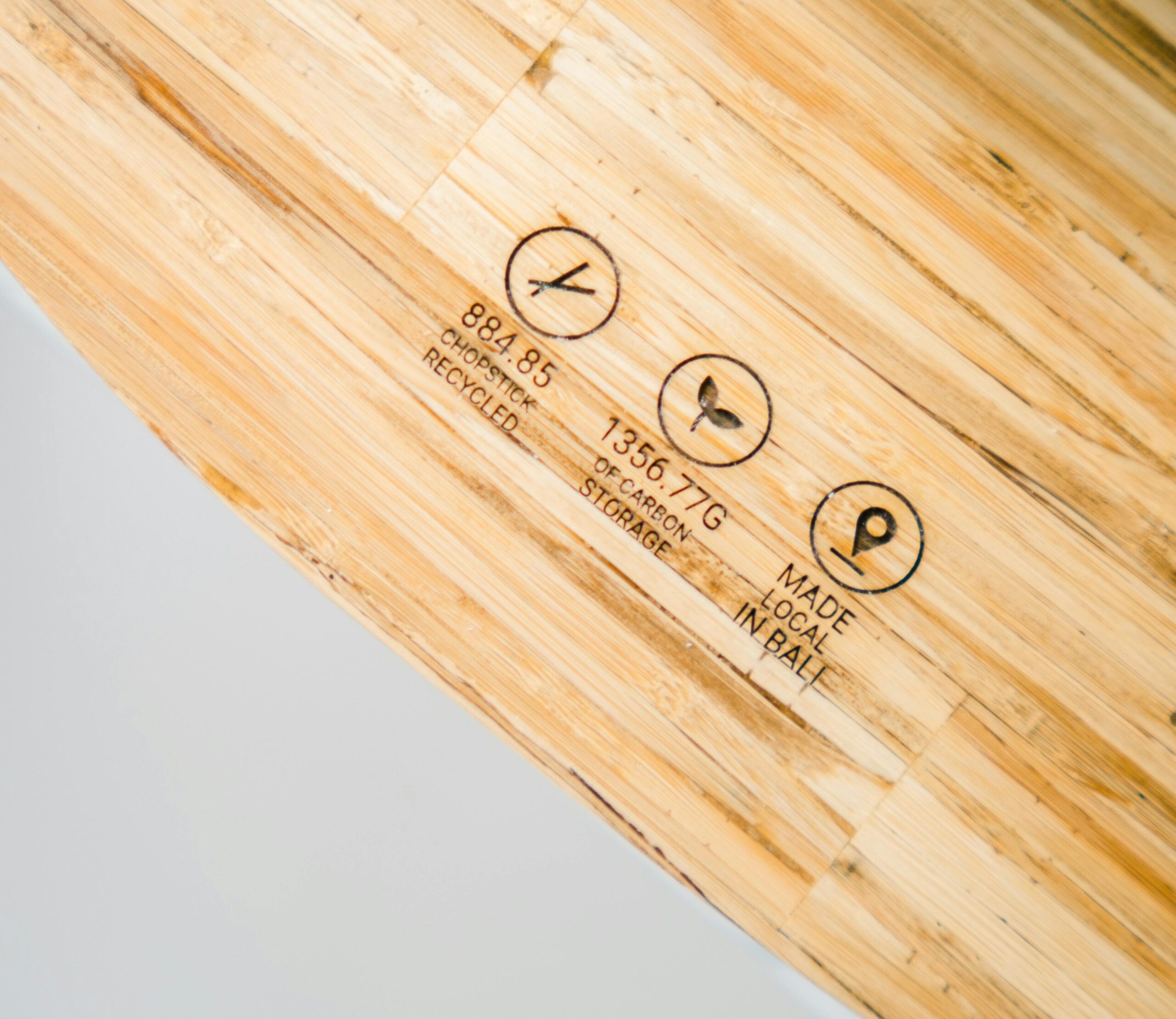
Fiber materials are revolutionizing industries worldwide, but unlocking their full potential requires mastering advanced strengthening techniques that can dramatically improve performance and durability.

🔬 Understanding the Foundation of Fiber Strength
Before diving into transformation techniques, it’s essential to understand what makes fibers strong in the first place. Fiber strength depends on molecular structure, crystallinity, orientation, and the bonding between individual chains or strands. Whether you’re working with natural fibers like cotton and hemp or synthetic materials like carbon fiber and aramid, the fundamental principles of strengthening remain remarkably similar.
The molecular alignment within fibers determines their tensile strength, flexibility, and resistance to environmental degradation. When fibers are produced, their molecules often remain randomly oriented, limiting their potential strength. The key to unlocking superior performance lies in reorganizing these molecular structures through various physical, chemical, and mechanical processes.
⚡ Heat Treatment Methods That Transform Performance
Thermal processing stands as one of the most effective ways to enhance fiber properties. Heat treatment works by altering the crystalline structure of fibers, increasing molecular alignment and removing internal stresses that weaken the material.
Annealing for Structural Stability
Annealing involves heating fibers to specific temperatures below their melting point, then cooling them in a controlled manner. This process allows molecular chains to relax and reorganize into more stable configurations. For synthetic fibers like polyester and nylon, annealing can increase tensile strength by 15-30% while improving dimensional stability.
The temperature and duration of annealing must be carefully calibrated. Too little heat fails to achieve meaningful restructuring, while excessive temperatures can degrade the polymer chains. Most synthetic fibers respond best to annealing temperatures between 150-200°C, maintained for 30 minutes to several hours depending on fiber thickness.
Heat Setting for Shape Memory
Heat setting goes beyond simple annealing by imposing specific shapes or configurations that the fiber “remembers.” This technique proves invaluable for technical textiles requiring dimensional stability under varying conditions. The process involves stretching fibers to desired dimensions while applying heat, then cooling them while maintaining tension.
💪 Mechanical Stretching and Drawing Techniques
Physical manipulation of fibers during or after production significantly impacts their final strength characteristics. Drawing processes align molecular chains along the fiber axis, creating a more ordered structure that can withstand greater loads.
Cold Drawing for Enhanced Alignment
Cold drawing involves stretching fibers at temperatures below their glass transition point. This technique forces polymer chains to align parallel to the fiber axis, dramatically increasing tensile strength. High-performance synthetic fibers often undergo multiple drawing stages, with some materials experiencing total elongation of 400-600% before reaching optimal properties.
The drawing ratio—the relationship between final and initial fiber length—directly correlates with strength improvements. However, excessive drawing can cause fiber breakage or introduce weak points. Optimal drawing ratios typically range from 3:1 to 6:1 for most synthetic materials.
Hot Drawing for Flexibility Preservation
Hot drawing occurs at elevated temperatures, allowing molecular reorganization with less internal stress than cold drawing. This approach maintains better flexibility while still achieving significant strength gains. The elevated temperature enables chains to slide past each other more easily, reducing the risk of creating microcracks that could compromise long-term durability.
🧪 Chemical Treatment Strategies for Superior Strength
Chemical modifications can fundamentally alter fiber properties at the molecular level, creating bonds and structures impossible to achieve through physical methods alone.
Cross-Linking for Network Strength
Cross-linking agents create chemical bonds between adjacent polymer chains, transforming individual fibers into interconnected networks. These three-dimensional structures resist deformation and degradation far more effectively than non-cross-linked materials. Common cross-linking agents include formaldehyde derivatives, epoxides, and peroxides, each suited to different fiber types.
The degree of cross-linking must be optimized carefully. Light cross-linking improves strength while maintaining flexibility, whereas excessive cross-linking creates brittle materials prone to catastrophic failure. Most applications benefit from cross-linking densities between 5-15% of available bonding sites.
Surface Treatments for Interface Bonding
When fibers are incorporated into composite materials, the fiber-matrix interface becomes critical for overall strength. Surface treatments modify fiber chemistry to improve bonding with surrounding materials. Plasma treatment, corona discharge, and chemical sizing all enhance surface energy and reactivity.
For carbon fibers in epoxy matrices, proper surface treatment can improve interfacial shear strength by 50-100%. This translates directly to better load transfer throughout the composite structure, preventing premature failure at fiber-matrix boundaries.
🌡️ Environmental Conditioning for Long-Term Performance
Exposing fibers to controlled environmental conditions can induce beneficial structural changes that improve both immediate performance and long-term durability.
Moisture Conditioning for Natural Fibers
Natural fibers like cotton, flax, and hemp respond dramatically to moisture exposure. Controlled humidification followed by drying can reorganize cellulose structures, increasing crystallinity and reducing amorphous regions that act as weak points. This process, sometimes called “mercerization” when combined with alkaline treatment, can boost natural fiber strength by 20-40%.
Cryogenic Treatment for Stress Relief
Exposing synthetic fibers to extremely low temperatures—typically below -150°C—can relieve internal stresses and promote more uniform molecular arrangements. Cryogenic treatment proves particularly effective for aramid and ultra-high molecular weight polyethylene fibers, improving fatigue resistance and reducing the likelihood of premature failure under cyclic loading.
🔧 Advanced Coating Technologies
Applying protective or reinforcing coatings represents another powerful approach to fiber strengthening. Modern coating technologies create additional layers that protect fibers from environmental damage while contributing to overall structural performance.
Nanoparticle-Enhanced Coatings
Incorporating nanoparticles into fiber coatings creates multifunctional materials with enhanced properties. Carbon nanotubes, graphene platelets, and ceramic nanoparticles can all be dispersed in polymer coating solutions and applied to fiber surfaces. These nanocomposite coatings improve abrasion resistance, thermal stability, and electrical conductivity while adding minimal weight.
The key to successful nanoparticle coating lies in achieving uniform dispersion and preventing agglomeration. Proper sonication, surfactant selection, and application techniques ensure nanoparticles distribute evenly across fiber surfaces, maximizing their reinforcing effect.
Layer-by-Layer Assembly
Layer-by-layer assembly builds ultra-thin coatings by sequentially depositing oppositely charged polyelectrolytes onto fiber surfaces. This technique offers precise control over coating thickness and composition, enabling creation of customized interfaces with specific mechanical, chemical, or biological properties. Each bilayer typically measures only 1-2 nanometers thick, allowing substantial property modification with minimal dimensional change.
📊 Measuring and Optimizing Fiber Strength
Effective strengthening requires accurate measurement of fiber properties before and after treatment. Understanding testing methodologies helps optimize processing parameters for maximum benefit.
| Property | Test Method | Typical Units |
|---|---|---|
| Tensile Strength | Single fiber tensile test | MPa or GPa |
| Elastic Modulus | Stress-strain analysis | GPa |
| Elongation at Break | Extensometry | Percentage |
| Fatigue Resistance | Cyclic loading tests | Cycles to failure |
| Interfacial Strength | Single fiber pullout | MPa |
Statistical Considerations in Fiber Testing
Fiber properties exhibit inherent variability due to processing inconsistencies and natural material variations. Meaningful characterization requires testing multiple specimens—typically 20-50 individual fibers—and applying appropriate statistical analysis. Weibull statistics prove particularly useful for fiber strength data, as they account for the “weakest link” nature of fiber failure.
🌍 Application-Specific Strengthening Strategies
Different applications demand different strengthening approaches. Understanding end-use requirements guides selection of optimal treatment combinations.
Aerospace Applications
Aerospace-grade fibers require maximum strength-to-weight ratios combined with excellent fatigue resistance and thermal stability. Carbon fiber reinforcements typically undergo multiple processing steps including high-temperature carbonization, surface oxidation, sizing application, and quality control testing. The result is materials capable of withstanding extreme mechanical loads, temperature fluctuations, and prolonged environmental exposure.
Textile and Apparel Uses
Performance textiles benefit from strengthening techniques that preserve flexibility and comfort while improving durability and functionality. Fabric manufacturers often combine mechanical texturing with chemical treatments to create fibers that resist pilling, abrasion, and repeated washing while maintaining soft hand feel. Smart textiles incorporate conductive coatings that enable electronic integration without compromising textile characteristics.
Construction and Infrastructure
Fiber reinforcement in concrete and other construction materials requires treatments optimized for alkali resistance and long-term durability in harsh environments. Glass and basalt fibers receive special coatings that prevent degradation in the high-pH environment of concrete matrices. These treatments extend service life from years to decades, making fiber-reinforced structures economically viable for critical infrastructure projects.
⚙️ Emerging Technologies and Future Directions
The field of fiber strengthening continues evolving rapidly, with new technologies promising even more impressive performance gains.
Plasma Treatment Innovations
Atmospheric pressure plasma systems enable continuous processing of fibers without requiring vacuum chambers. These systems generate reactive species that modify fiber surfaces in seconds, creating functional groups that improve bonding, wettability, and chemical reactivity. Plasma treatment can be precisely tuned by adjusting gas composition, power levels, and exposure times, offering unprecedented control over surface properties.
Biomimetic Approaches
Nature provides inspiring examples of strong, lightweight fiber structures. Spider silk, for instance, achieves remarkable toughness through hierarchical organization and sacrificial bonding mechanisms. Researchers are now developing synthetic fibers that mimic these natural designs, incorporating structured weak points that absorb energy through controlled failure rather than catastrophic rupture.
Artificial Intelligence in Process Optimization
Machine learning algorithms can analyze vast datasets from fiber production and testing, identifying optimal processing parameters faster than traditional trial-and-error approaches. Neural networks trained on fiber structure-property relationships predict outcomes of novel treatment combinations, accelerating development of next-generation materials.
💡 Practical Implementation Guidelines
Successfully implementing fiber strengthening techniques requires careful planning and attention to detail throughout the process.
- Start with comprehensive baseline testing to establish initial fiber properties and identify specific weaknesses to address
- Select strengthening methods compatible with fiber chemistry and end-use requirements
- Develop processing protocols with controlled parameters including temperature, time, chemical concentrations, and mechanical forces
- Implement quality control checkpoints at each processing stage to detect issues before they compound
- Conduct accelerated aging tests to verify that improvements persist under realistic service conditions
- Document all procedures thoroughly to ensure reproducibility and enable continuous improvement
- Consider environmental impacts and sustainability when selecting treatments and chemicals
- Evaluate cost-effectiveness by comparing processing expenses against performance gains
🎯 Maximizing Results Through Combined Approaches
The most impressive fiber strengthening results often come from combining multiple techniques in synergistic ways. For example, mechanical drawing followed by heat treatment and chemical cross-linking can yield fibers with properties exceeding what any single method could achieve. The key lies in understanding how different treatments interact and sequencing them appropriately.
Sequential processing requires careful consideration of how early treatments affect fiber response to subsequent steps. Heat treatment after chemical modification may enhance cross-linking density, while mechanical drawing before chemical treatment exposes more reactive sites for bonding. Experimentation and systematic testing help identify optimal treatment sequences for specific fiber types and applications.
🔍 Quality Assurance and Consistency
Maintaining consistent fiber properties across production batches demands rigorous quality assurance protocols. Automated monitoring systems track critical parameters in real-time, alerting operators to deviations before they produce off-specification material. Statistical process control techniques identify trends and patterns that might indicate equipment wear, raw material variations, or environmental factors affecting production.
Regular calibration of processing equipment ensures treatments remain within specified tolerances. Temperature controllers, tension monitoring systems, and chemical concentration sensors all require periodic verification against known standards. Investment in quality assurance infrastructure pays dividends through reduced waste, improved customer satisfaction, and enhanced reputation for reliability.

🚀 Transforming Theory Into Stronger Materials
Fiber strengthening represents a convergence of materials science, chemistry, mechanical engineering, and manufacturing expertise. By understanding fundamental principles and applying appropriate techniques, manufacturers can dramatically enhance fiber performance for demanding applications. Whether working with traditional natural fibers or advanced synthetic materials, the tools and knowledge exist to unlock remarkable improvements in strength, durability, and functionality.
The journey from raw fiber to high-performance material requires dedication to process control, willingness to experiment with innovative approaches, and commitment to thorough testing and validation. As new technologies emerge and our understanding deepens, the possibilities for fiber enhancement continue expanding. Those who master these transforming techniques position themselves at the forefront of materials innovation, creating products that push the boundaries of what fibers can achieve across industries worldwide.