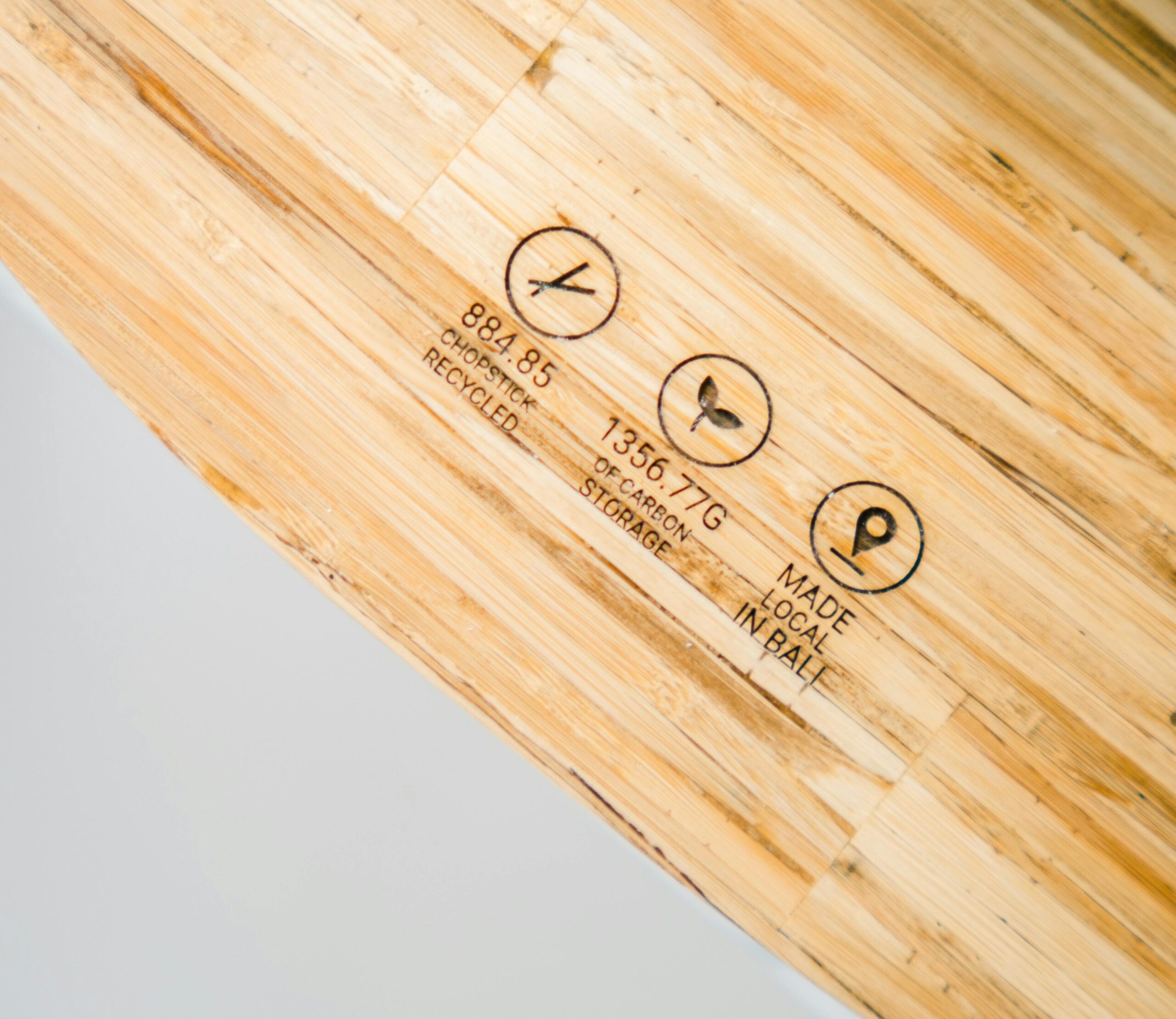
Understanding how products withstand the test of time after manufacturing transformations has become crucial in today’s sustainability-focused marketplace. 🔬

In an era where consumers demand both innovation and longevity, manufacturers face the complex challenge of measuring durability after products undergo significant transformations. Whether it’s recycled materials being reimagined into new goods, refurbished electronics receiving second lives, or traditional materials being enhanced through chemical processes, the science behind measuring post-transformation durability has never been more sophisticated or essential.
The transformation of products represents a critical juncture where original material properties meet new engineering requirements. This intersection demands rigorous testing methodologies, advanced analytical tools, and a comprehensive understanding of material science. As circular economy principles gain traction globally, the ability to accurately assess and predict durability after transformation directly impacts environmental sustainability, consumer trust, and economic viability.
The Foundation of Post-Transformation Durability Testing 🔍
Durability measurement begins with understanding what changes occur during product transformation. When materials undergo processes like recycling, remanufacturing, or chemical modification, their molecular structure, physical properties, and performance characteristics can shift significantly. These changes aren’t always visible to the naked eye, requiring sophisticated analytical techniques to detect and quantify.
The transformation process itself introduces variables that traditional durability testing may not adequately capture. For instance, recycled plastics often contain heterogeneous mixtures of polymer chains with varying molecular weights, creating performance variability that wasn’t present in virgin materials. Similarly, refurbished electronics may have components with different usage histories, affecting overall system reliability in ways that standard accelerated life testing might miss.
Modern durability science addresses these challenges through multi-layered testing protocols that examine products at molecular, structural, and functional levels. This comprehensive approach ensures that transformed products meet performance standards while identifying potential failure modes unique to post-transformation materials.
Advanced Material Characterization Techniques
At the molecular level, spectroscopy methods provide invaluable insights into how transformations affect material composition. Fourier Transform Infrared Spectroscopy (FTIR) reveals changes in chemical bonds, helping researchers identify degradation products or contaminants introduced during transformation. X-ray Diffraction (XRD) analyzes crystalline structures, particularly important when assessing metals or semi-crystalline polymers that have been melted and reformed.
Thermal analysis techniques like Differential Scanning Calorimetry (DSC) and Thermogravimetric Analysis (TGA) measure how transformed materials respond to temperature changes. These tests expose whether recycling or chemical modification has altered melting points, glass transition temperatures, or thermal stability—critical parameters for predicting long-term performance under varying environmental conditions.
Mechanical testing remains fundamental but requires adaptation for transformed products. Traditional tensile strength, compression, and fatigue tests must be supplemented with assessments that account for potential inhomogeneities in recycled or reprocessed materials. Statistical sampling becomes more critical, as variability typically increases in post-transformation products compared to virgin materials.
Non-Destructive Testing Methods 🛡️
One of the most significant advances in durability measurement involves non-destructive testing (NDT) techniques that assess product integrity without compromising the item itself. Ultrasonic testing detects internal flaws, delamination, or voids that might result from transformation processes. Computed tomography (CT) scanning creates three-dimensional images revealing internal structures and defects invisible to external inspection.
Infrared thermography identifies thermal anomalies indicating potential failure points, particularly valuable for electronic products and composite materials. These techniques allow manufacturers to inspect 100% of production rather than relying on destructive sampling, significantly improving quality assurance for transformed products.
Accelerated Life Testing for Transformed Materials
Predicting how products will perform over years or decades of use requires accelerated life testing (ALT) that compresses time through intensified stress conditions. However, applying ALT to transformed products demands careful consideration of how transformation affects failure mechanisms.
Traditional ALT protocols might expose virgin materials to elevated temperatures, humidity, vibration, or mechanical stress. For transformed products, these same stressors may trigger different failure modes or accelerate degradation at different rates. Recycled polymers, for example, often contain oxidized chain segments that degrade faster under thermal stress than virgin counterparts.
Developing accurate ALT protocols for transformed products requires understanding the transformation history and its impact on material properties. This knowledge informs the selection of appropriate stress levels and durations that truly simulate real-world aging without introducing artificial failure modes irrelevant to actual use conditions.
Mathematical Modeling and Predictive Analytics
Modern durability science increasingly relies on computational models that predict performance based on material properties and use conditions. Finite element analysis (FEA) simulates stress distribution within complex geometries, identifying potential failure points before physical testing begins. For transformed products, these models must incorporate material property variations resulting from the transformation process.
Machine learning algorithms analyze vast datasets from durability testing, identifying patterns that human analysts might miss. These systems can predict failure probabilities based on transformation parameters, material composition, and operating conditions. As more data accumulates, predictive accuracy improves, enabling manufacturers to optimize transformation processes for maximum durability.
Environmental and Chemical Resistance Testing 🌍
Transformed products often face unique environmental challenges that require specialized testing. Recycled materials may contain trace contaminants that affect chemical resistance or promote unexpected degradation pathways. Remanufactured products might combine new and aged components with different environmental tolerances.
Salt spray testing assesses corrosion resistance in metallic components, particularly important for products incorporating recycled alloys with varying compositions. UV exposure chambers evaluate how transformed polymers withstand sunlight, critical since recycled plastics often have reduced UV stability compared to virgin materials containing fresh stabilizer packages.
Chemical exposure testing determines resistance to solvents, acids, bases, and other substances the product might encounter during use. Transformed materials may respond differently to chemical exposure than their virgin counterparts due to structural changes or contamination from previous applications.
Biological Degradation Assessment
For products intended for outdoor use or those made from bio-based transformed materials, biological degradation testing becomes essential. Fungal resistance tests determine whether transformation processes have made materials more susceptible to microbial attack. Soil burial tests assess biodegradation rates for products designed to break down after use, ensuring they degrade as intended without persisting as environmental pollutants.
Real-World Performance Validation
Laboratory testing provides controlled conditions essential for understanding material behavior, but real-world performance validation remains the ultimate test of durability predictions. Field trials place transformed products in actual use environments, collecting performance data under genuine operating conditions with all their variability and unpredictability.
Telemetry and sensor integration enable continuous monitoring of product performance in the field. Smart sensors track temperature, stress, vibration, and other parameters, transmitting data that reveals how products actually behave versus laboratory predictions. This feedback loop continuously refines durability models and testing protocols.
Warranty return analysis provides invaluable durability insights. Examining failed products reveals actual failure modes and rates, validating or contradicting accelerated testing predictions. For transformed products, this analysis helps manufacturers understand whether transformation processes introduce unexpected weaknesses.
Industry-Specific Durability Standards 📋
Different industries have developed specialized durability testing standards reflecting their unique requirements. Automotive manufacturers follow rigorous protocols for components made from recycled materials, ensuring they meet safety and performance requirements identical to virgin material parts. Electronics manufacturers employ reliability testing standards adapted for refurbished devices, verifying that transformed products match new product specifications.
Construction materials undergo weathering tests simulating decades of exposure to sun, rain, freeze-thaw cycles, and temperature fluctuations. When these materials incorporate recycled content or undergo transformation processes, testing must verify that durability meets or exceeds building code requirements for expected service life.
The textile industry employs wash fastness, abrasion resistance, and tear strength tests for fabrics made from recycled fibers. These tests ensure that transformed textiles perform adequately despite the mechanical and chemical stresses fibers experienced during recycling and reprocessing.
Certification and Compliance Frameworks
Third-party certification provides independent verification that transformed products meet durability standards. Organizations like UL, TÜV, and various ISO standards bodies have developed frameworks specifically addressing durability assessment for recycled and transformed products. These certifications build consumer confidence while establishing benchmarks that drive continuous improvement.
The Economics of Durability Measurement 💰
Comprehensive durability testing represents significant investment, particularly for transformed products requiring more extensive analysis than virgin materials. However, this investment pays dividends through reduced warranty costs, enhanced brand reputation, and improved product design.
Cost-benefit analysis helps manufacturers determine appropriate testing depth. High-value products or those with safety implications justify more extensive testing, while lower-risk items might rely on more limited protocols supplemented by statistical quality control.
Testing efficiency improvements through automation and predictive modeling reduce per-product testing costs while maintaining or improving accuracy. As testing technologies mature and databases grow, the economics increasingly favor comprehensive durability assessment even for moderately priced transformed products.
Emerging Technologies Shaping Durability Science 🚀
Artificial intelligence and machine vision systems are revolutionizing quality inspection, detecting subtle defects or material variations that human inspectors might miss. These systems learn from vast image databases, identifying patterns correlating with durability issues and flagging products for additional testing or rejection.
Blockchain technology enables transparent tracking of transformation processes and testing results, creating immutable records that build trust in product durability claims. Consumers can verify that transformed products underwent proper durability testing, while manufacturers gain supply chain visibility ensuring consistent material quality.
Advanced sensors embedded within products enable continuous durability monitoring throughout product life. These sensors detect early warning signs of degradation or failure, potentially alerting users before catastrophic failure occurs while providing manufacturers with unprecedented real-world performance data.
Building Consumer Trust Through Transparency
As consumers become more sophisticated about sustainability and product quality, transparency regarding durability testing builds trust. Manufacturers increasingly share testing methodologies, results, and expected product lifespans, differentiating themselves in crowded markets.
Clear communication about what transformation involves and how durability is maintained or enhanced helps consumers make informed decisions. When brands honestly discuss both the benefits and limitations of transformed products, they establish credibility that translates into customer loyalty.
Extended warranties for transformed products demonstrate manufacturer confidence in durability testing accuracy. These warranties signal that rigorous testing supports durability claims, reducing consumer risk and encouraging adoption of sustainable transformed products.
Future Directions in Durability Measurement 🔮
The science of measuring durability in transformed products continues evolving rapidly. Digital twins—virtual replicas of physical products—will enable simulation of entire product lifecycles before manufacturing begins. These simulations incorporate transformation process variables, predicting durability outcomes and optimizing processes for maximum longevity.
Quantum sensing technologies promise unprecedented measurement precision, detecting molecular-level changes indicating early-stage degradation. These capabilities will enable even more accurate durability predictions and quality control for transformed materials.
As circular economy principles become mainstream, standardization of durability testing for transformed products will intensify. International harmonization of testing standards will facilitate global trade in recycled and transformed materials while ensuring consistent quality expectations.
The integration of durability data with lifecycle assessment tools will provide holistic sustainability metrics. Consumers and procurement professionals will evaluate products not just on initial environmental footprint but on total lifecycle value including durability, repairability, and end-of-life options.
Practical Implementation for Manufacturers
Manufacturers embarking on durability testing programs for transformed products should begin with thorough material characterization, establishing baselines that quantify how transformation affects properties. This foundation informs all subsequent testing decisions and protocol development.
Collaboration between materials scientists, product designers, and testing engineers ensures durability considerations integrate into product development from conception rather than being addressed as afterthoughts. This cross-functional approach identifies potential durability issues early when solutions are less expensive to implement.
Investment in testing infrastructure appropriate to product risk levels and production volumes optimizes resource allocation. High-volume consumer products might justify in-house testing laboratories, while specialized or low-volume items may better utilize third-party testing services.
Continuous improvement processes that incorporate field performance data, warranty returns, and customer feedback ensure that testing protocols remain relevant and predictive. Durability measurement should be viewed as an ongoing learning process rather than a one-time certification exercise.

The Sustainability-Durability Connection 🌱
Perhaps the most compelling reason for rigorous durability measurement in transformed products is its direct connection to sustainability. Products that last longer reduce resource consumption, decrease waste generation, and lower overall environmental impact regardless of their material origin.
When transformation processes maintain or enhance durability, they create truly sustainable solutions that don’t require consumers to sacrifice performance for environmental responsibility. Rigorous durability testing provides the evidence supporting these claims, removing barriers to adoption of transformed products.
The circular economy depends on transformation processes that preserve value through multiple product lifecycles. Durability measurement ensures that each transformation maintains sufficient quality for intended applications, enabling materials to circulate productively rather than degrading to waste.
As we advance toward more sustainable manufacturing paradigms, the science of measuring durability in transformed products will only grow in importance. This discipline bridges the gap between environmental aspirations and practical performance requirements, enabling the creation of products that are both ecologically responsible and built to last.
The investment in robust durability measurement pays dividends across multiple dimensions—reduced environmental impact, enhanced consumer satisfaction, lower lifecycle costs, and stronger brand reputation. For manufacturers, retailers, and consumers alike, understanding and applying the science of post-transformation durability measurement represents not just good practice but essential strategy for success in an increasingly sustainability-conscious marketplace.