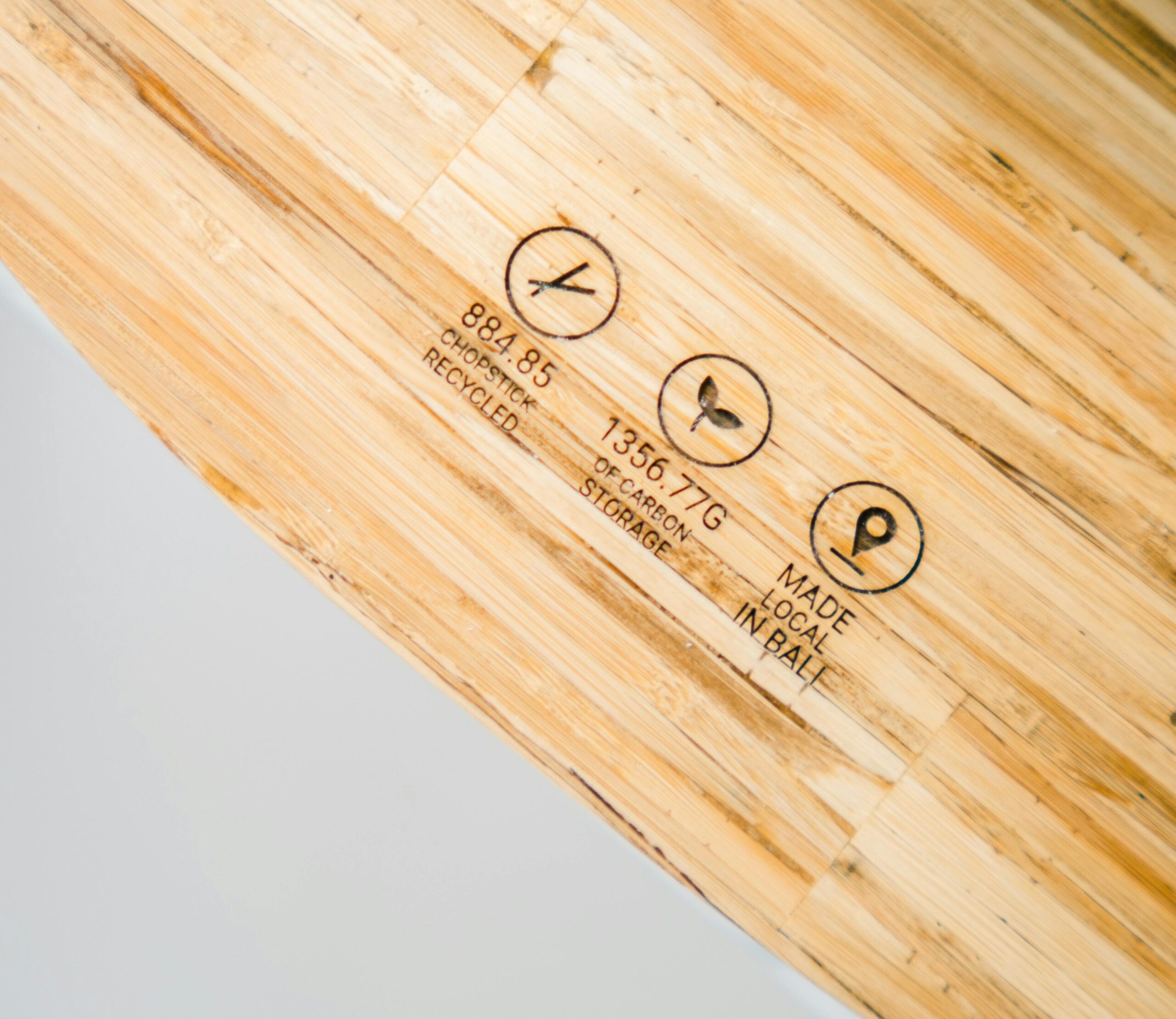
Fiber-to-fiber recycling represents a revolutionary approach to textile waste management, transforming old garments into new fibers and creating a circular economy that challenges traditional linear production models.

🌍 Understanding the Textile Waste Crisis
The global fashion industry produces approximately 92 million tons of textile waste annually, with most ending up in landfills or incinerators. This staggering amount of waste has created an environmental emergency that demands innovative solutions. Traditional recycling methods have fallen short, often downcycling materials into lower-quality products or failing to capture the full value of textile fibers.
Fiber-to-fiber recycling emerges as a game-changing technology that breaks this destructive cycle. Unlike conventional recycling approaches, this method maintains fiber quality while creating new textiles from old ones. The process essentially gives clothing materials infinite lives, transforming waste into valuable resources without compromising on quality or performance.
The urgency for such solutions becomes clearer when examining consumption patterns. The average consumer purchases 60% more clothing items than two decades ago, yet keeps them for half as long. This fast fashion culture has accelerated environmental degradation, water pollution, and carbon emissions, making fiber-to-fiber recycling not just desirable but absolutely necessary.
The Science Behind Fiber-to-Fiber Technology
Fiber-to-fiber recycling involves sophisticated chemical and mechanical processes that deconstruct textile materials at the molecular level. The technology separates different fiber types, breaks down polymers, and reconstructs them into virgin-quality fibers suitable for manufacturing new garments.
Chemical recycling methods use solvents to dissolve polyester or cellulosic fibers, purifying them from dyes, finishes, and contaminants. The resulting solution is then re-polymerized and spun into new fibers that match or exceed the quality of original materials. This process can be repeated multiple times without degradation, creating truly circular material flows.
Mechanical recycling, while less chemically intensive, involves shredding textiles into smaller pieces and re-spinning them into yarn. Advanced sorting technologies using infrared spectroscopy and artificial intelligence now enable precise material identification, ensuring high-quality outputs. These innovations have dramatically improved recycling efficiency and expanded the range of recyclable materials.
💡 Key Technologies Driving Innovation
Several breakthrough technologies have positioned fiber-to-fiber recycling as a viable industrial solution. Hydrothermal processing uses supercritical water to break down polyester without harsh chemicals. Enzymatic recycling employs biological catalysts to selectively depolymerize specific fiber types. These gentler approaches reduce environmental impact while maintaining fiber integrity.
Automated sorting systems represent another crucial advancement. Computer vision combined with machine learning algorithms can identify fiber composition, color, and condition at speeds impossible for human sorters. This precision ensures consistent feedstock quality, addressing one of the biggest challenges in textile recycling.
Hybrid recycling approaches combine mechanical and chemical methods to handle complex blended fabrics. Since most modern textiles contain multiple fiber types, the ability to separate and recover each component significantly expands recycling potential. These technologies can now process cotton-polyester blends, elastane-containing fabrics, and other challenging materials previously considered non-recyclable.
Environmental and Economic Benefits ♻️
The environmental advantages of fiber-to-fiber recycling extend far beyond waste reduction. Manufacturing textiles from recycled fibers requires substantially less water, energy, and chemicals compared to virgin fiber production. Recycled polyester, for example, uses 59% less energy than virgin polyester, while recycled cotton saves approximately 20,000 liters of water per kilogram.
Carbon footprint reduction represents another significant benefit. The fashion industry contributes roughly 10% of global carbon emissions, largely from raw material extraction and processing. Fiber-to-fiber recycling can reduce these emissions by 60-70%, helping the industry meet climate targets and transition toward carbon neutrality.
Economic benefits create compelling business cases for adoption. As raw material costs fluctuate and sustainability regulations tighten, recycled fibers offer price stability and regulatory compliance. Brands implementing circular business models report enhanced customer loyalty, improved brand reputation, and access to environmentally conscious consumer segments willing to pay premium prices.
Quantifying the Impact
Research demonstrates the transformative potential of widespread fiber-to-fiber recycling adoption. If 75% of textile waste were recycled through advanced fiber-to-fiber technologies, the industry could reduce water consumption by 35%, decrease CO2 emissions by 200 million tons annually, and divert 65 million tons of waste from landfills.
The economic impact could reach $160 billion globally by 2030, creating new industries, jobs, and business opportunities. Collection, sorting, processing, and remanufacturing facilities would employ millions while generating significant economic value from materials currently treated as waste.
Overcoming Implementation Challenges
Despite its promise, fiber-to-fiber recycling faces substantial barriers to widespread adoption. Infrastructure limitations top the list, as most regions lack sufficient collection systems, sorting facilities, and processing plants. Building this infrastructure requires significant capital investment and coordinated efforts across governments, industries, and communities.
Textile design presents another challenge. Most garments are designed for disposability rather than recyclability, featuring complex blends, mixed materials, and chemical treatments that complicate recycling. Shifting toward design-for-recycling principles requires fundamental changes in how fashion products are conceived and manufactured.
Economic viability remains uncertain in many markets. Virgin fiber production benefits from established supply chains, economies of scale, and often hidden environmental costs. Making recycled fibers cost-competitive requires policy interventions, technological improvements, and consumer willingness to support sustainable alternatives.
🔧 Technical Hurdles and Solutions
Color removal and fiber purity present ongoing technical challenges. Dyed and printed fabrics require additional processing steps to achieve the neutral colors preferred for new textile production. Advanced decolorization technologies using oxidative processes or adsorbent materials are improving outcomes but add complexity and cost.
Contamination control demands rigorous quality management. Even small amounts of incompatible materials can compromise entire batches of recycled fiber. Implementing comprehensive quality control systems, from collection through final production, ensures consistent output that meets manufacturer specifications.
Scaling production capacity requires coordinated investment across the value chain. Building commercial-scale fiber-to-fiber recycling facilities involves hundreds of millions in capital expenditure, long development timelines, and technological risks. Public-private partnerships and targeted incentives can accelerate deployment and reduce investment barriers.
Industry Leaders and Pioneering Initiatives
Several companies have emerged as fiber-to-fiber recycling pioneers, demonstrating commercial viability and driving industry transformation. Renewcell, a Swedish company, developed technology that transforms cellulosic textiles into biodegradable pulp indistinguishable from virgin material. Major fashion brands including H&M, Levi’s, and Inditex have partnered with Renewcell to incorporate recycled fibers into their collections.
Worn Again Technologies developed a polymer recycling process that separates and captures polyester and cellulose from blended textiles. Their system produces virgin-equivalent materials suitable for high-quality textile applications, addressing the critical challenge of mixed-fiber recycling.
Carbios employs enzymatic depolymerization to break down PET polyester into its constituent monomers, which are then re-polymerized into new fibers. This biological approach offers environmental advantages over traditional chemical recycling and has attracted partnerships with major brands including Patagonia, Puma, and Salomon.
🏭 Regional Recycling Ecosystems
The European Union has positioned itself as a fiber-to-fiber recycling leader through regulatory frameworks and funding programs. The EU Strategy for Sustainable and Circular Textiles mandates extended producer responsibility, establishes recycled content requirements, and funds innovation through programs like Horizon Europe.
Asia, particularly China and Southeast Asian nations, are developing recycling infrastructure to process both domestic waste and imported textile materials. These regions benefit from proximity to manufacturing centers, reducing transportation costs and enabling tight integration between recycling and production facilities.
North America is experiencing rapid growth in fiber-to-fiber recycling investments, driven by consumer demand for sustainable products and state-level legislation promoting circular economy principles. California, New York, and other states have implemented extended producer responsibility laws that incentivize brand investment in recycling infrastructure.
The Role of Consumer Behavior and Brand Responsibility
Consumer participation proves essential for fiber-to-fiber recycling success. Proper garment disposal, participation in take-back programs, and support for brands using recycled materials drive demand and justify infrastructure investments. Education campaigns highlighting recycling benefits and providing clear disposal instructions increase participation rates significantly.
Brand responsibility extends beyond using recycled materials to encompass entire product lifecycles. Leading companies are implementing comprehensive circularity strategies including durability improvements, repair services, resale platforms, and guaranteed buy-back programs. These initiatives keep materials in use longer and ensure their eventual return to recycling systems.
Transparency and traceability technologies enable verification of recycled content claims. Blockchain systems, digital product passports, and fiber identification markers allow consumers to verify sustainability claims and hold brands accountable. This transparency builds trust and prevents greenwashing, supporting genuine circular economy development.
Policy Frameworks Enabling Circular Textiles 📋
Government policies play crucial roles in accelerating fiber-to-fiber recycling adoption. Extended producer responsibility schemes make brands financially responsible for end-of-life textile management, creating powerful incentives for recyclability improvements and infrastructure investment.
Recycled content mandates require minimum percentages of recycled materials in new products, guaranteeing demand for recycled fibers and improving economic viability. France has proposed legislation requiring all textiles sold in the country to contain minimum recycled content, setting a precedent other nations may follow.
Tax incentives and subsidies reduce financial barriers to recycling infrastructure development. Investment tax credits, accelerated depreciation, and direct grants help companies justify the substantial capital requirements of commercial-scale recycling facilities.
International Collaboration and Standards
Global cooperation enables knowledge sharing, technology transfer, and coordinated action on textile waste. International organizations like the Ellen MacArthur Foundation’s Make Fashion Circular initiative convene stakeholders to develop best practices, align standards, and accelerate systemic change.
Standardization efforts ensure interoperability and quality consistency across recycling systems. Organizations including ISO and ASTM International are developing standards for recycled fiber classification, testing methods, and quality requirements that facilitate trade and build market confidence.
🚀 Future Horizons: Innovation and Integration
Emerging technologies promise to further enhance fiber-to-fiber recycling capabilities. Artificial intelligence optimizes processing parameters in real-time, improving efficiency and reducing waste. Digital twins enable virtual testing of recycling processes before physical implementation, accelerating technology development and reducing costs.
Biotechnology offers revolutionary possibilities for textile recycling. Engineered microorganisms could selectively digest specific fiber types, simplifying blend separation. Biosynthetic fibers designed for recyclability from the molecular level could eliminate many current technical challenges.
Integration with other circular economy systems multiplies environmental benefits. Combining textile recycling with renewable energy, closed-loop water systems, and bio-based chemicals creates comprehensive sustainability solutions addressing multiple environmental challenges simultaneously.
Building Momentum Toward Systemic Transformation
Fiber-to-fiber recycling represents more than a technical solution to textile waste—it embodies a fundamental reimagining of how materials flow through our economy. The transition from linear take-make-dispose models to circular keep-use-regenerate systems requires coordinated action across industries, governments, and societies.
Success demands collaboration among traditionally separate stakeholders. Textile manufacturers, fashion brands, recycling companies, chemical producers, technology developers, policymakers, and consumers must align around shared circular economy goals. Multi-stakeholder initiatives creating shared infrastructure, pooled resources, and collective learning accelerate progress beyond what individual actors can achieve.
Investment in research and development remains critical for continued advancement. While current technologies demonstrate commercial viability, further improvements in efficiency, cost, and capability will expand applicability and impact. Public research funding, industry partnerships, and venture capital all contribute to sustained innovation pipelines.
🌱 Creating Cultural Shifts
Beyond technology and policy, achieving truly circular textile systems requires cultural transformation. Shifting consumer mindsets from disposability to durability, from ownership to stewardship, and from quantity to quality supports the fundamental premises of fiber-to-fiber recycling.
Educational initiatives starting in schools and extending through communities build circular economy literacy. Understanding material flows, recognizing waste as resources, and appreciating quality over cheapness creates cultural foundations supporting long-term systemic change.
Celebrating circular design and recycled materials as desirable rather than inferior reshapes market dynamics. As recycled content becomes a status symbol and circular business models become aspirational, market forces align with environmental imperatives, accelerating transformation.

The Path Forward: Practical Steps and Collective Action
Realizing fiber-to-fiber recycling’s transformative potential requires immediate, coordinated action. Governments must implement supportive policies, provide infrastructure funding, and establish regulatory frameworks incentivizing circularity. Industries must invest in technology development, redesign products for recyclability, and build collection systems.
Consumers can drive change through conscious purchasing decisions, proper disposal practices, and vocal support for sustainable brands. Every garment returned for recycling, every recycled product purchased, and every voice raised for environmental action contributes to building momentum for systemic transformation.
The fiber-to-fiber recycling revolution has begun, with technologies proven, business models validated, and momentum building. The boundaries limiting textile recycling are breaking down, replaced by innovative solutions turning waste into resources. This transformation paves the way not just for sustainable fashion, but for a broader circular economy demonstrating that environmental responsibility and economic prosperity can advance together.
The coming decade will determine whether fiber-to-fiber recycling becomes a niche practice or a dominant paradigm. The technical foundations exist, the economic case strengthens, and public awareness grows. What remains is collective will to implement known solutions, scale proven technologies, and commit to the continuous improvement necessary for true sustainability. The future of textiles—and perhaps of manufacturing more broadly—depends on choices made today to embrace circularity, reject waste, and build systems that regenerate rather than deplete our planet’s resources.