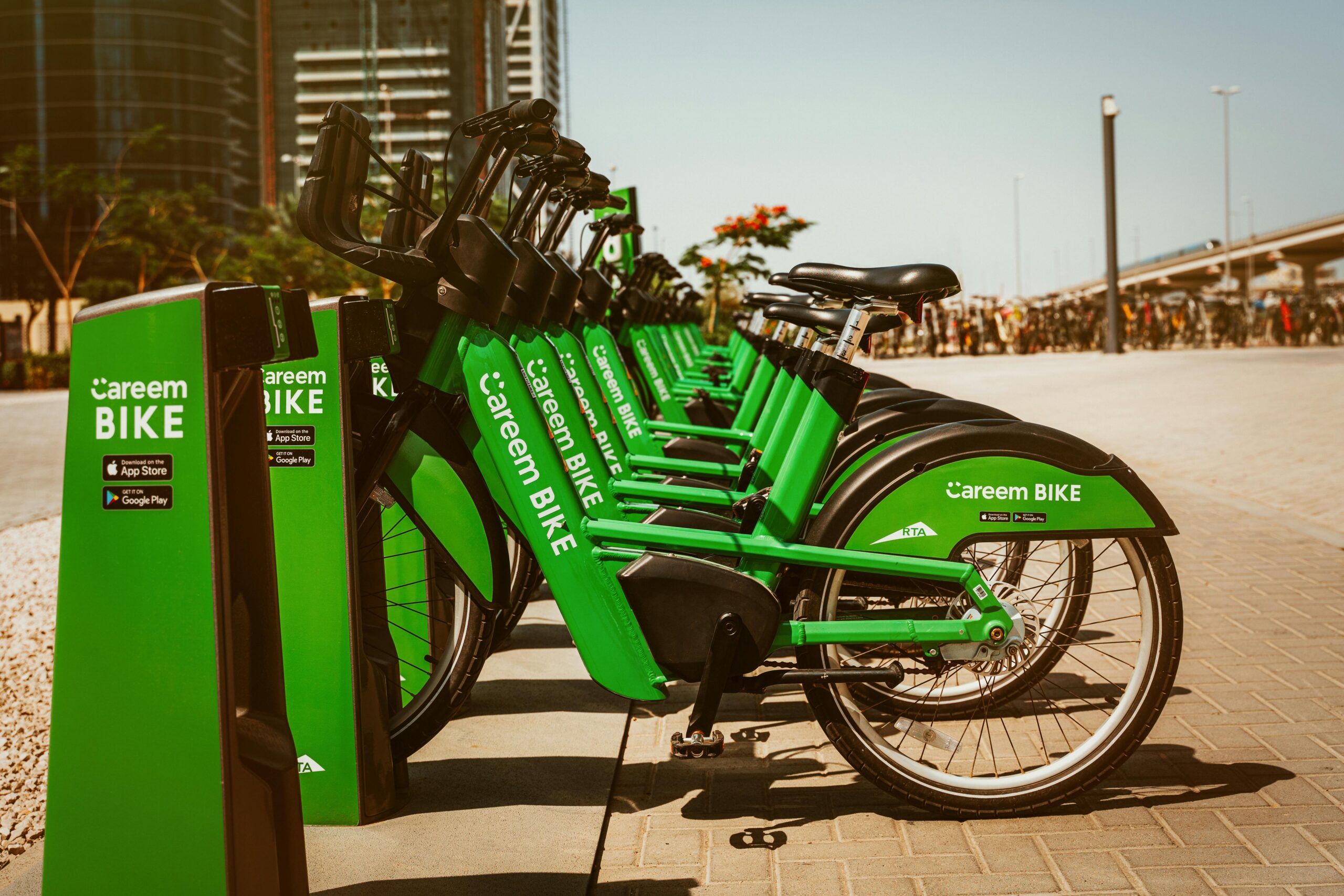
The global energy landscape is undergoing a profound transformation as renewable sources reshape how we generate, distribute, and consume power across interconnected supply networks.

⚡ The Dawn of a New Energy Era
Renewable energy integration represents more than just an environmental imperative—it’s fundamentally restructuring the backbone of modern supply chains. As solar panels blanket rooftops and wind turbines dot landscapes worldwide, businesses are discovering that sustainable power isn’t merely an alternative; it’s becoming the primary driver of operational efficiency and competitive advantage.
Traditional supply networks were built around centralized fossil fuel generation, with power flowing in one predictable direction from massive plants to end users. This model is rapidly giving way to a dynamic, distributed ecosystem where energy moves multidirectionally, responding in real-time to fluctuating demand and variable renewable generation. The implications for supply chain management are revolutionary, requiring new technologies, strategies, and mindsets.
Companies across industries are witnessing firsthand how renewable integration affects everything from manufacturing schedules to logistics operations. The intermittent nature of solar and wind power demands sophisticated forecasting, flexible operations, and intelligent storage solutions—challenges that are simultaneously driving innovation in supply chain technology and creating new opportunities for those who adapt quickly.
🔋 Breaking Down the Integration Challenge
Integrating renewable energy into existing supply networks presents unique technical and operational hurdles. Unlike conventional power plants that generate electricity on demand, renewable sources depend on natural phenomena that don’t always align with consumption patterns. This fundamental mismatch requires sophisticated balancing acts across the entire supply ecosystem.
Grid Modernization and Smart Infrastructure
The traditional electrical grid wasn’t designed for bidirectional power flows or rapid fluctuations in generation. Modernizing this infrastructure has become paramount for successful renewable integration. Smart grids equipped with advanced sensors, communication networks, and automated controls can detect and respond to changes in milliseconds, maintaining stability even as renewable contributions vary throughout the day.
These intelligent systems enable demand response programs where industrial operations can adjust consumption based on renewable availability. Manufacturing facilities might schedule energy-intensive processes during peak solar hours, while cold storage operations could pre-cool during windy nights when turbine generation surges. This operational flexibility transforms supply chains from passive energy consumers into active grid participants.
Energy Storage: The Missing Link
Battery technology has emerged as the critical enabler of renewable integration. Large-scale storage systems absorb excess generation during peak production periods and release it when renewables underperform. For supply networks, this means greater predictability and reliability despite variable generation sources.
Lithium-ion batteries currently dominate the market, but emerging technologies promise even greater potential. Flow batteries, compressed air storage, and even gravity-based systems are being deployed at scale. Distribution centers and manufacturing plants are increasingly installing on-site battery arrays, creating microgrids that can operate independently during grid disruptions while maximizing renewable utilization.
🌍 Global Supply Chains Embracing Clean Power
Multinational corporations are leading the charge toward renewable-powered supply networks, driven by both sustainability commitments and economic logic. The costs of solar and wind energy have plummeted over the past decade, making renewables the cheapest source of new electricity generation in most markets worldwide.
Technology giants have pioneered corporate renewable procurement strategies that are now spreading across industries. These companies sign long-term power purchase agreements with renewable developers, securing price stability while supporting new clean energy projects. The impact extends throughout their supply chains as these corporations increasingly require suppliers to meet renewable energy standards, creating a cascading effect across multiple tiers of vendors and partners.
Manufacturing Renaissance Through Green Energy
Energy-intensive industries like steel, cement, and chemicals are undergoing fundamental transformations. Green hydrogen produced from renewable electricity is emerging as a clean alternative to fossil fuels in high-temperature processes. Aluminum smelters powered by hydroelectric facilities exemplify how renewable integration can create competitive advantages, producing low-carbon materials that command premium prices in sustainability-conscious markets.
Automotive manufacturers are investing billions in renewable-powered production facilities, recognizing that electric vehicles lose their environmental advantage if built using fossil fuel electricity. These factories incorporate on-site solar arrays, wind power agreements, and massive battery storage systems, creating closed-loop ecosystems where production aligns with clean energy availability.
📦 Logistics and Transportation: The Moving Target
While stationary operations can relatively easily connect to renewable electricity sources, the logistics sector faces unique challenges. Transportation represents a significant portion of supply chain emissions, and electrification powered by renewables offers the most promising pathway to decarbonization.
Electric Vehicles Transform Freight Movement
Battery-electric trucks are transitioning from concept to reality, with major manufacturers launching commercial models designed for short and medium-haul routes. When charged with renewable electricity, these vehicles eliminate tailpipe emissions while reducing operating costs compared to diesel alternatives. Distribution centers are installing solar canopies over parking areas, generating clean electricity to charge delivery fleets during daylight hours.
Long-haul trucking presents greater challenges due to range limitations and charging infrastructure gaps. However, hydrogen fuel cells powered by renewable electricity offer potential solutions for applications where battery weight and charging time prove problematic. Several pilot projects are demonstrating the viability of hydrogen-fueled heavy trucks for transcontinental freight.
Maritime and Aviation: Harder Nuts to Crack
Shipping and aviation account for substantial supply chain emissions but face significant technical barriers to electrification. Maritime vessels are exploring diverse pathways including battery-electric ferries for short routes, hydrogen fuel cells for medium distances, and renewable ammonia or methanol for ocean-crossing cargo ships. Shore power systems allow docked vessels to shut down diesel generators and connect to renewable electricity from land-based grids.
Aviation presents perhaps the greatest challenge, as battery technology cannot yet match the energy density required for long-distance flight. Sustainable aviation fuels produced from renewable electricity and captured carbon offer near-term solutions, while electric aircraft development progresses for short regional routes. Supply chains dependent on air freight must balance speed requirements against mounting pressure to reduce carbon footprints.
💡 Digital Technologies Enabling Integration
The complexity of renewable-integrated supply networks demands sophisticated digital solutions. Artificial intelligence, machine learning, and advanced analytics are proving essential for managing the variability and optimization opportunities that renewables introduce.
Predictive Analytics and Weather Forecasting
Accurate prediction of renewable generation has become crucial for supply chain planning. Machine learning algorithms analyze weather patterns, historical generation data, and consumption trends to forecast energy availability hours or days in advance. These predictions enable supply chain managers to adjust production schedules, inventory movements, and logistics operations to maximize renewable utilization while maintaining operational requirements.
Companies are integrating renewable generation forecasts directly into enterprise resource planning systems, creating dynamic scheduling engines that automatically shift flexible operations to align with clean energy availability. This optimization occurs continuously, responding to updated forecasts and changing business priorities in real-time.
Blockchain for Renewable Energy Certificates
Tracking renewable energy consumption across complex supply networks requires transparent, tamper-proof systems. Blockchain technology is being deployed to create verifiable chains of custody for renewable electricity, ensuring that sustainability claims withstand scrutiny. Smart contracts automatically execute when renewable generation and consumption match specified criteria, streamlining renewable energy certificate markets and enabling more granular tracking than traditional systems allowed.
These digital solutions provide supply chain partners with credible evidence of their renewable energy usage, satisfying corporate sustainability requirements and increasingly stringent regulatory standards. The transparency blockchain provides helps build trust across multi-tier supply networks where direct visibility has traditionally been limited.
🏭 Industrial Symbiosis and Microgrids
Forward-thinking industrial parks are creating localized renewable energy ecosystems where multiple companies share generation assets, storage systems, and grid connections. These microgrids optimize renewable integration at the community level, balancing diverse energy demand profiles to achieve higher utilization rates than individual facilities could accomplish alone.
Manufacturing operations with complementary schedules—such as daytime production facilities paired with refrigerated warehouses requiring consistent cooling—can share renewable assets more efficiently. Waste heat from one process becomes input for another, while shared battery storage absorbs excess renewable generation from any participant for use throughout the network. These industrial symbiosis arrangements reduce infrastructure costs while maximizing renewable penetration.
🌱 Economic Drivers Beyond Environmental Benefits
While environmental considerations motivate many renewable integration initiatives, compelling economic advantages are accelerating adoption across supply networks. Renewable electricity has achieved cost parity or superiority compared to fossil alternatives in most global markets, fundamentally changing the business case for clean energy.
Price Stability in Volatile Markets
Fossil fuel prices fluctuate dramatically based on geopolitical events, supply disruptions, and commodity speculation. Renewable energy, by contrast, offers predictable long-term costs since sunlight and wind are free, unlimited resources. Fixed-price power purchase agreements spanning 10-25 years provide budget certainty that fossil fuels cannot match, enabling more accurate financial forecasting and protecting supply chains from energy price shocks.
This stability proves particularly valuable for energy-intensive industries where electricity represents significant production costs. Aluminum refiners, data centers, and chemical manufacturers gain competitive advantages by locking in favorable renewable electricity rates while competitors remain exposed to volatile fossil fuel markets.
Access to Capital and Customer Preference
Financial institutions increasingly incorporate environmental criteria into lending decisions, offering preferential terms to companies demonstrating strong renewable energy adoption. Green bonds specifically designated for sustainable projects provide access to capital pools unavailable to fossil fuel-dependent operations. Supply chains powered by renewables attract investors seeking sustainable portfolios while avoiding stranded asset risks associated with fossil infrastructure.
Consumer preferences are shifting decisively toward sustainable products, with surveys consistently showing willingness to pay premiums for goods produced using renewable energy. Retail brands leverage renewable-powered supply chains as marketing differentiators, creating brand value that extends beyond direct cost savings. Business-to-business relationships increasingly require renewable energy commitments from suppliers, making clean power adoption a competitive necessity rather than optional enhancement.
⚠️ Navigating Policy Landscapes and Incentives
Government policies significantly influence renewable integration trajectories across supply networks. Subsidies, tax credits, mandates, and carbon pricing mechanisms create complex incentive structures that vary dramatically by jurisdiction. Supply chain managers must navigate these diverse regulatory environments to optimize renewable adoption strategies.
Renewable portfolio standards require utilities to source specified percentages of electricity from clean sources, driving grid-level integration that benefits all connected supply chain operations. Investment tax credits and production tax credits reduce upfront costs for corporate renewable installations, improving project economics. Carbon pricing mechanisms in regions implementing cap-and-trade or carbon tax systems make fossil electricity increasingly expensive, tilting economic calculations further toward renewables.
International supply chains face the additional complexity of coordinating renewable strategies across multiple regulatory regimes. The European Union’s carbon border adjustment mechanism will impose tariffs on imports from regions with weaker climate policies, creating strong incentives for global supply networks to adopt renewables throughout their international operations rather than just in markets with stringent requirements.
🚀 Emerging Technologies Reshaping Tomorrow’s Networks
The renewable integration revolution is far from complete, with emerging technologies promising even more dramatic transformations in coming years. Next-generation innovations will address current limitations while creating entirely new possibilities for sustainable supply networks.
Perovskite Solar and Advanced Photovoltaics
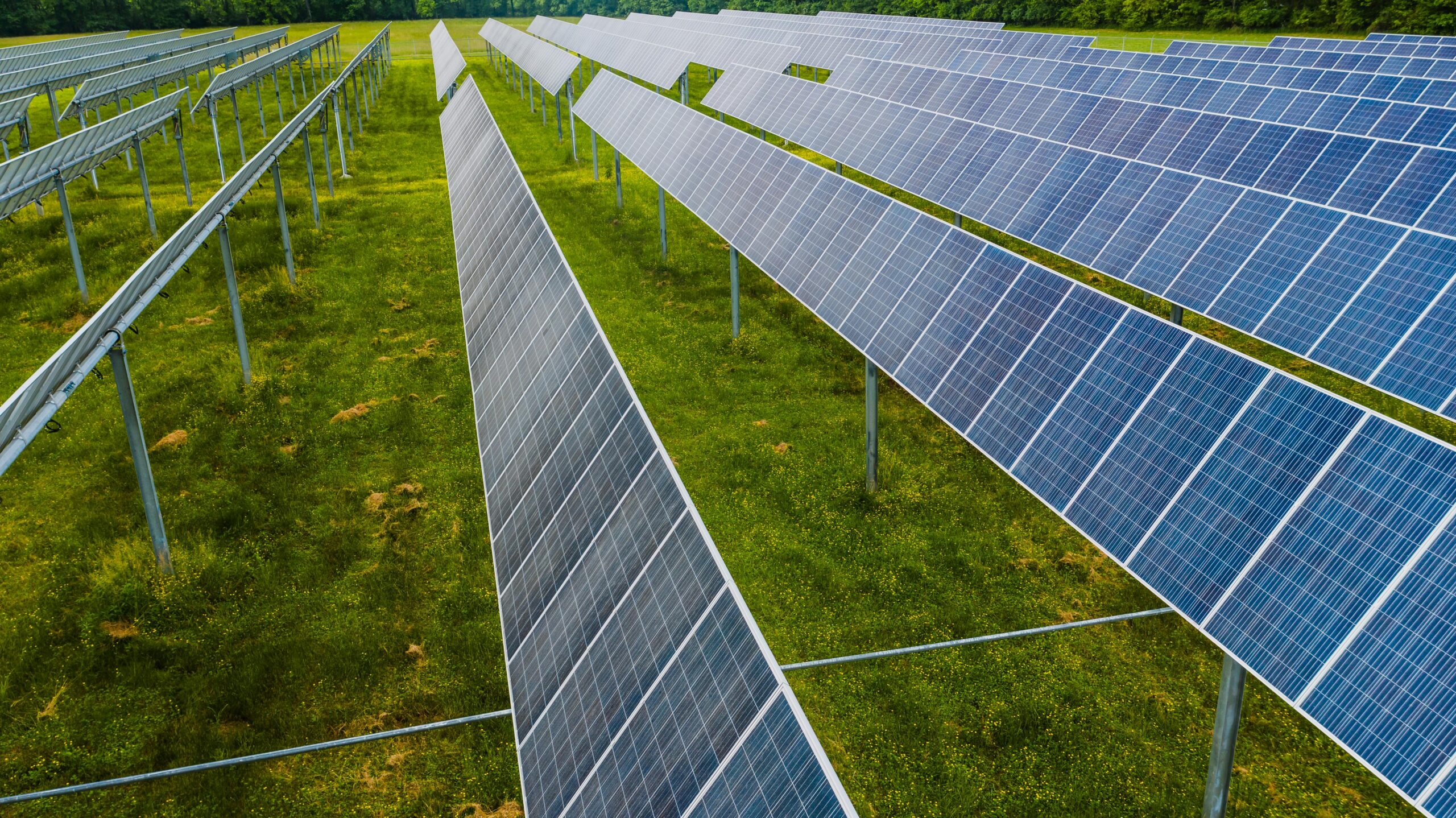
New solar cell technologies achieving higher efficiency at lower costs could enable renewable generation in locations and applications currently impractical. Flexible, lightweight panels might cover shipping containers and truck trailers, generating power during transit. Building-integrated photovoltaics that replace conventional construction materials could transform every warehouse and factory into a power generator without requiring dedicated land.
Wireless Power Transmission
Long-range wireless electricity transmission remains experimental but could eventually eliminate transmission infrastructure requirements, enabling renewable generation in remote locations with excellent solar or wind resources to power distant consumption centers. For supply chains, this technology might enable electric vehicle charging without physical connections, allowing continuous charging during movement.
Artificial Photosynthesis and Direct Air Capture
Technologies that convert renewable electricity, water, and captured carbon dioxide directly into liquid fuels could solve the energy density challenge facing heavy transportation. These synthetic fuels would work in existing engines and infrastructure while being carbon-neutral when produced with renewable energy. Supply chains dependent on aviation and maritime shipping could achieve deep decarbonization without waiting for complete fleet electrification.
🤝 Collaboration Models Driving Industry Transformation
No single company can transform supply networks alone. Successful renewable integration requires unprecedented collaboration among competitors, suppliers, customers, utilities, technology providers, and policymakers. Industry consortia are forming to share best practices, develop common standards, and invest in shared infrastructure that benefits entire sectors.
Automotive manufacturers competing fiercely in vehicle markets collaborate on charging infrastructure development, recognizing that convenient, renewable-powered charging networks benefit all electric vehicle producers. Similar cooperative approaches are emerging across industries as companies recognize that collective action accelerates renewable integration more effectively than isolated efforts.
🌟 Building Resilient, Sustainable Supply Networks
Renewable energy integration represents both challenge and opportunity for supply networks worldwide. The technical complexities are substantial, requiring new infrastructure, technologies, and operational approaches. Yet the benefits—environmental, economic, and strategic—make this transformation inevitable and urgent.
Companies leading this transition are discovering competitive advantages that extend far beyond energy costs. Enhanced brand reputation, access to sustainability-conscious customers and investors, operational resilience through distributed generation, and protection from fossil fuel price volatility create compelling business cases independent of environmental considerations. As renewable technologies continue improving and costs declining, the advantages will only grow stronger.
The supply networks of tomorrow will be powered predominantly by renewable energy, optimized by artificial intelligence, and characterized by flexibility that today’s rigid systems cannot match. Organizations that embrace this transformation now position themselves at the forefront of the most significant industrial revolution since electrification itself. Those that delay risk obsolescence as customers, investors, and regulators increasingly demand sustainable operations throughout supply chains.
The renewable energy revolution is not approaching—it’s here, fundamentally reshaping supply networks across every industry and geography. The question is no longer whether to integrate renewables, but how quickly and strategically companies can transform their operations to harness clean power’s full potential. In this transition lies both the future of our planet and the future of competitive business operations in an increasingly sustainability-focused global economy.