Climate change is reshaping how organizations approach risk management, demanding sophisticated modeling techniques to anticipate and navigate environmental disruptions effectively.

🌍 The Emerging Paradigm of Climate Risk Assessment
The world is witnessing an unprecedented acceleration in climate-related events that challenge traditional risk management frameworks. From coastal flooding to extreme heat waves, from agricultural disruptions to supply chain breakdowns, climate change is no longer a distant threat but an immediate business reality that demands proactive preparation.
Risk modeling has evolved from simple statistical analyses to sophisticated predictive systems that integrate vast datasets, machine learning algorithms, and scenario planning. Organizations that embrace advanced climate risk modeling are positioning themselves not merely to survive but to thrive amid environmental uncertainty.
The financial implications of inadequate climate preparation are staggering. According to recent estimates, climate-related disasters have cost the global economy trillions of dollars over the past decade, with projections indicating these figures will only escalate without proper risk mitigation strategies.
Understanding the Fundamentals of Climate Risk Modeling
Climate risk modeling represents a multidisciplinary approach that combines climatology, data science, economics, and strategic planning. At its core, this methodology seeks to quantify the probability and potential impact of climate-related events on specific assets, operations, and broader organizational objectives.
The modeling process typically involves several interconnected components. First, scientists and analysts gather historical climate data spanning decades or even centuries. This baseline information provides context for identifying trends and patterns that inform future projections.
Next, sophisticated algorithms process this historical data alongside current observations to generate predictive scenarios. These scenarios account for various emission pathways, policy interventions, and technological developments that could influence climate trajectories.
Physical Risk Versus Transition Risk 🔄
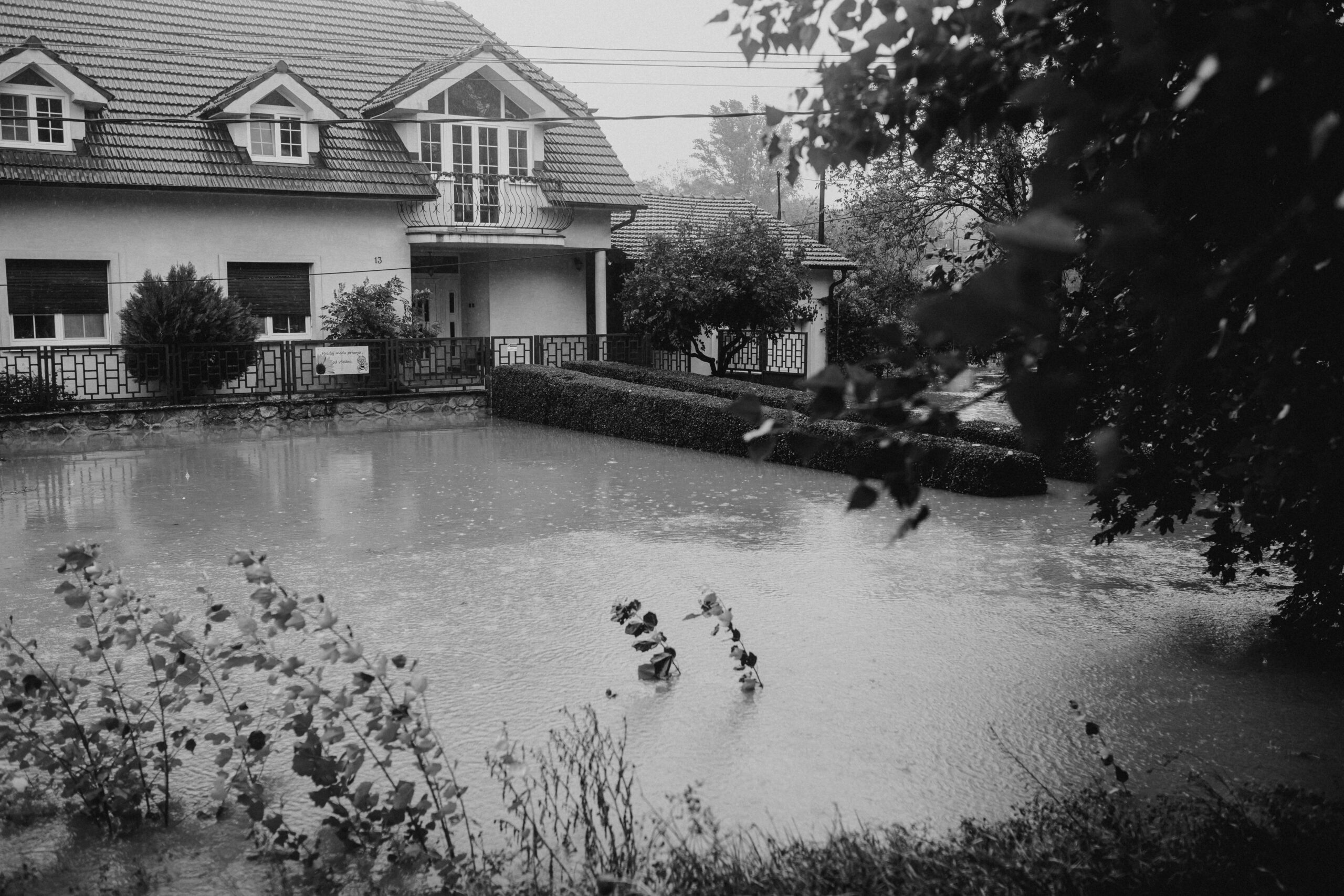
Climate risk modeling distinguishes between two primary categories of exposure. Physical risks encompass the direct impacts of climate phenomena—hurricanes, droughts, wildfires, and rising sea levels that can damage infrastructure, disrupt operations, and threaten human safety.
Transition risks, conversely, emerge from society’s response to climate change. As governments implement carbon pricing, regulators establish stricter environmental standards, and consumers demand sustainable practices, organizations face potential financial losses from stranded assets, obsolete business models, and reputational damage.
Effective risk modeling must address both dimensions comprehensively. A coastal manufacturing facility, for instance, faces physical risks from storm surge and flooding while simultaneously confronting transition risks if its operations rely heavily on fossil fuels subject to increasing regulation and taxation.
Advanced Technologies Powering Climate Predictions
The technological revolution has transformed climate risk modeling from rudimentary projections to highly granular, location-specific forecasts. Artificial intelligence and machine learning now process satellite imagery, sensor networks, and weather station data in real-time, identifying patterns invisible to human analysts.
Geographic Information Systems (GIS) enable organizations to visualize climate risks spatially, overlaying flood zones, heat maps, and infrastructure locations to identify vulnerabilities with precision. This spatial intelligence proves invaluable for asset management, insurance underwriting, and urban planning decisions.
Cloud computing platforms have democratized access to computational power necessary for running complex climate models. Organizations no longer require expensive supercomputers to perform sophisticated analyses; instead, they can leverage scalable cloud resources that adjust to modeling demands.
The Role of Scenario Analysis 📊
Scenario planning has emerged as a cornerstone of robust climate risk modeling. Rather than attempting to predict a single future outcome, this approach develops multiple plausible scenarios based on different assumptions about emissions, policy responses, and technological progress.
The most widely adopted framework comes from the Intergovernmental Panel on Climate Change (IPCC), which outlines Representative Concentration Pathways (RCPs) ranging from aggressive emissions reductions to business-as-usual trajectories. Organizations model their exposure across these scenarios to understand the range of potential outcomes.
Scenario analysis reveals how climate impacts might unfold over different time horizons—near-term disruptions within the next decade, medium-term shifts by mid-century, and long-term transformations extending beyond 2100. This temporal dimension helps organizations prioritize investments and adaptation strategies appropriately.
Translating Models into Actionable Business Intelligence
The ultimate value of climate risk modeling lies not in theoretical projections but in actionable insights that inform strategic decisions. Organizations must bridge the gap between scientific modeling outputs and practical business applications across multiple operational domains.
Financial institutions use climate risk models to assess loan portfolios, identifying borrowers whose assets or operations face elevated exposure. This information shapes lending decisions, portfolio diversification strategies, and reserve requirements that ensure financial resilience.
Supply chain managers leverage climate modeling to identify vulnerabilities in sourcing networks. If a critical supplier operates in a region facing increased drought risk, companies can develop alternative sourcing arrangements, increase inventory buffers, or invest in supplier adaptation measures.
Insurance Innovation Through Better Modeling 🛡️
The insurance industry has pioneered sophisticated climate risk modeling out of necessity. Insurers must accurately price policies to remain solvent while natural disasters grow more frequent and severe. Catastrophe models now incorporate climate projections to estimate future loss frequencies and magnitudes.
These advances enable more nuanced risk differentiation. Rather than blunt instruments that price entire regions uniformly, modern models assess individual properties based on elevation, construction quality, proximity to water bodies, and local drainage infrastructure. This granularity rewards risk mitigation while ensuring actuarial soundness.
Parametric insurance products represent another modeling-driven innovation. These policies trigger payouts based on predefined climate parameters—wind speeds exceeding specific thresholds, rainfall totals surpassing certain levels—rather than traditional loss adjustment processes. The approach accelerates claims resolution and reduces administrative costs.
Building Organizational Capacity for Climate Risk Management
Successfully implementing climate risk modeling requires more than software and data—it demands organizational capabilities spanning technical expertise, governance structures, and cultural adaptation. Organizations must invest deliberately in building these competencies across multiple dimensions.
Talent acquisition and development form the foundation. Climate risk teams need diverse skill sets combining climate science knowledge, statistical modeling proficiency, domain expertise in relevant industries, and communication abilities to translate technical findings for non-specialist stakeholders.
Governance structures must evolve to ensure climate risk receives appropriate attention at senior leadership and board levels. Many leading organizations have established dedicated climate risk committees that review modeling outputs, oversee adaptation investments, and integrate climate considerations into strategic planning processes.
Data Infrastructure as Strategic Asset 💾
Robust climate risk modeling depends on high-quality data infrastructure that aggregates information from diverse sources. Organizations must invest in systems that collect, standardize, and maintain climate data, asset inventories, exposure databases, and operational metrics.
Data governance becomes particularly critical given the long time horizons relevant to climate planning. Systems must preserve historical records, document methodological assumptions, and enable reproducibility as models evolve and organizational needs change over time.
Third-party data partnerships extend organizational capabilities beyond internal resources. Climate data providers, research institutions, and industry consortia offer specialized datasets—downscaled climate projections, flood maps, wildfire risk assessments—that enhance modeling accuracy without requiring in-house development of every component.
Sector-Specific Applications and Considerations
Climate risk modeling applications vary considerably across industries, reflecting different exposure profiles, operational characteristics, and stakeholder expectations. Tailoring approaches to sector-specific contexts enhances relevance and utility of modeling outputs.
The agriculture sector confronts direct climate dependencies as changing temperature and precipitation patterns affect crop yields, pest pressures, and growing season lengths. Agricultural risk models integrate climate projections with soil data, crop physiology, and farm management practices to forecast productivity under various scenarios.
Energy utilities face multifaceted climate risks spanning generation, transmission, and distribution systems. Hydroelectric facilities depend on precipitation patterns, thermal power plants require cooling water, and distribution infrastructure must withstand extreme weather events. Comprehensive modeling assesses these interdependencies to inform infrastructure investments and grid resilience planning.
Real Estate and Infrastructure Planning 🏗️
The built environment represents trillions of dollars in assets with multi-decade lifespans, making climate risk assessment essential for investment decisions. Real estate developers and infrastructure planners increasingly incorporate climate projections when selecting sites, designing structures, and estimating asset useful lives.
Coastal properties face particularly acute risks from sea-level rise and storm surge intensification. Advanced modeling combines elevation data, tidal patterns, storm frequency projections, and coastal erosion rates to assess vulnerability at individual parcel levels. These insights inform development decisions, building codes, and insurance availability.
Transportation infrastructure—roads, bridges, railways, airports—must accommodate shifting climate conditions throughout extended operational lifespans. Climate models help planners design infrastructure resilient to projected temperature extremes, precipitation patterns, and sea-level changes while optimizing investments across competing priorities.
Regulatory Landscape and Disclosure Requirements
Regulatory frameworks increasingly mandate climate risk assessment and disclosure, transforming modeling from voluntary best practice to compliance necessity. Organizations must navigate evolving requirements across multiple jurisdictions while anticipating further regulatory developments.
The Task Force on Climate-related Financial Disclosures (TCFD) has established a widely adopted framework encouraging organizations to disclose climate governance, strategy, risk management processes, and metrics. Compliance requires credible climate risk modeling to support reported assessments and strategic responses.
Financial regulators across major economies now incorporate climate considerations into supervisory frameworks. Central banks conduct climate stress tests evaluating how financial institutions would perform under various climate scenarios, compelling sophisticated modeling capabilities throughout the financial sector.
Standardization Efforts and Reporting Frameworks 📋
Multiple initiatives seek to standardize climate risk disclosure and modeling approaches, reducing fragmentation and enhancing comparability. The International Sustainability Standards Board (ISSB) is developing global baseline standards for sustainability disclosures, including climate-related information.
Despite standardization efforts, organizations face challenges balancing methodological consistency with context-specific modeling needs. Generic approaches may overlook industry-specific risks, while highly customized models complicate peer comparisons and stakeholder understanding.
Regulatory expectations continue evolving as climate science advances and stakeholder demands intensify. Organizations must maintain modeling flexibility to incorporate emerging methodologies, updated climate projections, and refined risk assessment frameworks as regulatory standards mature.
Overcoming Implementation Challenges and Barriers
Despite compelling benefits, organizations encounter significant obstacles implementing comprehensive climate risk modeling programs. Recognizing these challenges enables proactive strategies that accelerate capability development and maximize modeling value.
Data limitations present persistent challenges, particularly for organizations with geographically dispersed assets or operations in regions with sparse climate observation networks. Models perform best with robust historical baselines and high-resolution projections, conditions not uniformly available worldwide.
Uncertainty inherent in long-term climate projections complicates decision-making processes designed around more deterministic risk assessments. Stakeholders accustomed to precise probability estimates may struggle embracing scenario-based approaches that emphasize ranges of possible outcomes rather than single-point forecasts.
Building Cross-Functional Collaboration 🤝
Climate risk modeling requires collaboration across traditionally siloed organizational functions—risk management, operations, finance, strategy, sustainability. Cultural barriers and competing priorities can impede the integration necessary for effective climate risk management.
Successful organizations establish clear governance structures defining roles, responsibilities, and decision-making authorities for climate risk management. Cross-functional working groups bring together diverse perspectives while maintaining accountability through designated leadership and reporting lines.
Communication strategies must translate technical modeling outputs into accessible formats for varied audiences. Executives need strategic implications, operational managers require actionable guidance, and technical teams demand methodological details. Tailoring communications ensures modeling insights inform decisions at appropriate organizational levels.
Emerging Frontiers in Climate Risk Innovation
The field of climate risk modeling continues evolving rapidly as technological capabilities expand, scientific understanding deepens, and organizational sophistication grows. Several emerging trends promise to enhance modeling accuracy, accessibility, and decision-making value.
Digital twin technology creates virtual replicas of physical assets, operations, or entire systems that enable real-time monitoring and scenario testing. Climate-enabled digital twins simulate how assets perform under various climate conditions, supporting proactive maintenance, operational adjustments, and investment prioritization.
Nature-based solutions modeling assesses how ecosystems can mitigate climate risks while delivering co-benefits. Wetlands attenuate storm surge, urban forests reduce heat island effects, and watershed protection enhances water security. Quantifying these benefits enables organizations to incorporate green infrastructure into risk management strategies.
Collaborative Platforms and Open-Source Tools 🌐
Open-source climate modeling platforms democratize access to sophisticated analytical capabilities previously available only to well-resourced organizations. These collaborative tools enable smaller enterprises, municipalities, and non-profit organizations to conduct credible climate risk assessments.
Industry consortia pool resources to develop shared modeling infrastructure addressing common challenges. These collaborative approaches reduce duplication, accelerate innovation, and establish industry benchmarks that enhance comparability and stakeholder confidence.
The integration of climate models with broader enterprise risk management systems represents another frontier. Rather than treating climate as standalone concern, leading organizations embed climate considerations throughout risk identification, assessment, mitigation, and monitoring processes that span all organizational risks.
Strategic Imperatives for Climate-Resilient Organizations
Organizations committed to climate resilience must move beyond reactive postures toward proactive strategies informed by robust risk modeling. This transformation requires sustained leadership commitment, adequate resource allocation, and willingness to challenge conventional planning assumptions.
Embedding climate considerations into capital allocation processes ensures investments align with long-term resilience objectives. Organizations should evaluate major expenditures—facility locations, equipment purchases, acquisition targets—against climate risk assessments to avoid locking in future vulnerabilities.
Continuous learning and model refinement reflect recognition that climate risk modeling remains evolving discipline. Organizations should establish feedback loops comparing model projections against actual observations, updating methodologies as climate science advances, and incorporating lessons from climate events worldwide.
Stakeholder engagement extends climate risk management beyond organizational boundaries. Suppliers, customers, communities, and policymakers all influence and are affected by organizational climate resilience. Collaborative approaches that share insights, coordinate adaptations, and advocate supportive policies amplify individual organizational efforts.
🎯 Charting the Path Forward
Climate disruptions represent defining challenge of our era, testing organizational resilience, strategic foresight, and adaptive capacity. Risk modeling provides essential tools for navigating this uncertainty, transforming abstract climate projections into concrete business intelligence that informs decisions across operational, financial, and strategic domains.
The organizations that thrive amid climate disruptions will be those investing now in modeling capabilities, building necessary organizational competencies, and integrating climate considerations throughout decision-making processes. This preparation requires resources, leadership commitment, and cultural evolution—but the alternative of unmanaged climate exposure poses far greater risks.
As climate impacts intensify and stakeholder expectations rise, sophisticated risk modeling transitions from competitive advantage to operational necessity. The question facing organizations is not whether to develop climate risk capabilities, but how quickly they can build and deploy these essential tools for navigating our climate-disrupted future.
The power of risk modeling lies ultimately not in perfect prediction—an impossible standard given climate system complexity—but in illuminating vulnerabilities, identifying opportunities, and enabling informed choices that enhance resilience. Organizations unleashing this power position themselves to weather disruptions, seize emerging opportunities, and contribute to broader climate adaptation that benefits communities, ecosystems, and economies worldwide.