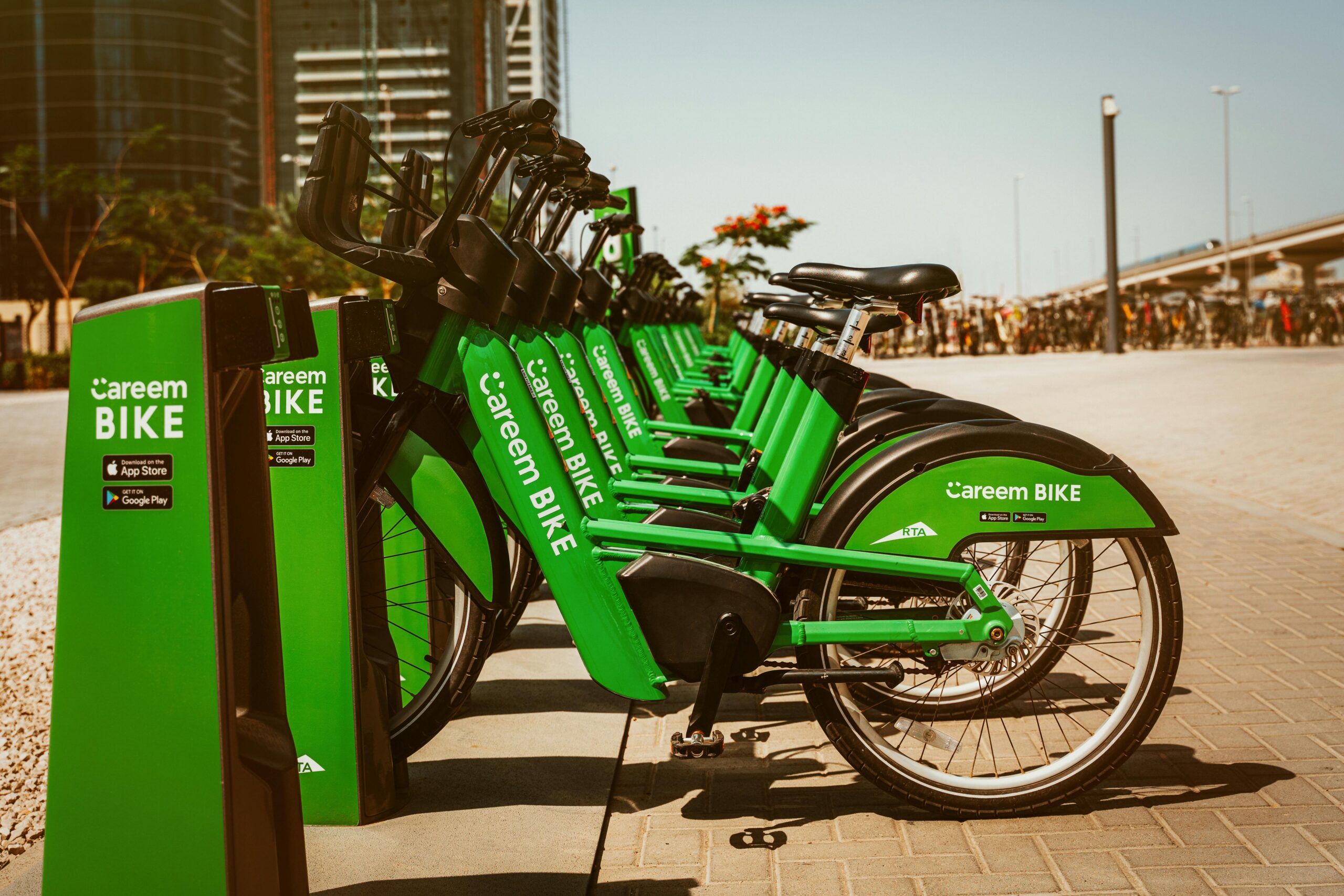
Supply chains are no longer just about moving products from point A to B—they’re becoming powerful engines of sustainable innovation, reshaping how businesses approach environmental responsibility.

🌍 The New Era of Sustainable Supply Chain Management
The global business landscape is undergoing a profound transformation. Companies worldwide are recognizing that sustainability isn’t merely a buzzword or marketing strategy—it’s a fundamental business imperative. At the heart of this revolution lies an often-underestimated component: the supply chain. These complex networks of suppliers, manufacturers, distributors, and retailers hold unprecedented power to drive meaningful change in environmental sustainability.
Traditional supply chains focused exclusively on efficiency, cost reduction, and speed. Today’s forward-thinking organizations understand that sustainable supply chains represent a competitive advantage, innovation catalyst, and pathway to long-term resilience. The shift from linear “take-make-dispose” models to circular economies depends heavily on reimagining how supply chains operate.
According to recent research, supply chain operations account for over 90% of most companies’ environmental impact. This staggering figure underscores both the challenge and the opportunity. When businesses optimize their supply chains for sustainability, they don’t just reduce their carbon footprint—they unlock innovation, discover cost savings, and build stronger relationships with increasingly conscious consumers.
Breaking Down the Innovation Framework
Supply chain innovation for sustainability operates across multiple dimensions. Understanding these interconnected elements helps organizations identify where they can make the most significant impact.
Transparency and Traceability Technologies
Modern technology has made supply chain visibility possible in ways previously unimaginable. Blockchain technology, IoT sensors, and advanced analytics platforms enable companies to track products from raw material extraction through final delivery. This transparency serves multiple purposes: it verifies ethical sourcing claims, identifies inefficiencies, and provides consumers with the information they increasingly demand.
Companies implementing these technologies report remarkable results. They can pinpoint exactly where emissions occur, which suppliers maintain sustainable practices, and where materials come from. This granular data transforms vague sustainability commitments into measurable, actionable strategies.
Circular Economy Integration
The circular economy concept represents perhaps the most transformative approach to sustainable supply chains. Rather than viewing products as having a linear lifecycle, circular models design systems where materials continuously cycle back into production. Supply chains become closed loops where waste from one process becomes input for another.
This approach requires fundamental redesign of procurement, manufacturing, and reverse logistics. Companies must think beyond traditional forward-moving supply chains to create systems that efficiently handle returns, refurbishment, recycling, and remanufacturing. The innovation lies not just in product design but in creating entirely new business models around product-as-service concepts.
🚀 Driving Forces Behind Supply Chain Sustainability
Multiple factors are converging to make sustainable supply chains not just desirable but essential for business survival and growth.
Regulatory Pressure and Compliance
Governments worldwide are implementing stricter environmental regulations. The European Union’s Corporate Sustainability Reporting Directive, California’s supply chain transparency laws, and similar legislation globally require companies to disclose and improve their supply chain practices. Non-compliance carries financial penalties and reputational risks that businesses cannot ignore.
These regulations are becoming more sophisticated, targeting specific issues like carbon emissions, deforestation, water usage, and labor practices. Companies must build supply chains that can adapt to evolving regulatory landscapes while maintaining operational efficiency.
Consumer Expectations and Market Demand
Today’s consumers, particularly millennials and Gen Z, prioritize sustainability in purchasing decisions. They research company practices, demand transparency, and willingly pay premiums for products from responsible sources. This shift in consumer behavior directly impacts supply chain strategies.
Brands that demonstrate genuine commitment to sustainable supply chains build customer loyalty and differentiate themselves in crowded markets. Conversely, companies exposed for unsustainable practices face boycotts, social media backlash, and lasting brand damage.
Investor and Stakeholder Scrutiny
Environmental, Social, and Governance (ESG) criteria have become central to investment decisions. Institutional investors increasingly evaluate companies based on sustainability performance, with supply chain practices representing a critical component of these assessments.
Companies with robust sustainable supply chains access better financing terms, attract purpose-driven investors, and demonstrate long-term value creation potential. This financial dimension transforms sustainability from cost center to strategic asset.
Innovation Strategies Reshaping Supply Chains
Progressive organizations are implementing specific strategies that demonstrate how supply chains can drive sustainability innovation.
Collaborative Supplier Partnerships
The most successful sustainable supply chains recognize that transformation requires collaboration rather than top-down mandates. Leading companies work directly with suppliers to improve practices, sharing knowledge, resources, and even funding to help partners upgrade operations.
These partnerships create ripple effects throughout supply networks. When a major retailer helps a supplier install renewable energy systems, that supplier’s entire customer base benefits. The collaborative approach accelerates innovation adoption across industries.
Green Logistics and Transportation Optimization
Transportation represents one of the largest sources of supply chain emissions. Innovation in this area includes electric vehicle fleets, route optimization algorithms, alternative fuels, and modal shifts from air to rail or sea transport where possible.
Advanced logistics platforms use artificial intelligence to consolidate shipments, reduce empty miles, and optimize packaging to fit more products per trip. These innovations simultaneously reduce environmental impact and operational costs—the sweet spot of sustainable business practice.
Local Sourcing and Regional Supply Networks
Global supply chains offer advantages, but they also create vulnerabilities and environmental costs. Many companies are reimagining their sourcing strategies to incorporate more regional suppliers, reducing transportation distances and supporting local economies.
This nearshoring or reshoring trend accelerates in response to supply chain disruptions experienced during recent global events. Organizations discover that resilient, sustainable supply chains often look more regional than their predecessors, with diversified supplier bases closer to end markets.
📊 Measuring Impact and Performance
Effective sustainability initiatives require robust measurement frameworks. Supply chain sustainability metrics help organizations track progress, identify opportunities, and communicate results to stakeholders.
Key Performance Indicators for Sustainable Supply Chains
Organizations typically track multiple sustainability KPIs across their supply chains:
- Carbon footprint measurement: Total greenhouse gas emissions across Scope 1, 2, and crucially, Scope 3 (supply chain) emissions
- Water usage efficiency: Volume of water consumed per unit of production, particularly critical in water-stressed regions
- Waste diversion rates: Percentage of materials recycled, composted, or recovered rather than sent to landfill
- Renewable energy adoption: Proportion of supply chain operations powered by renewable sources
- Supplier sustainability scores: Assessments of supplier environmental and social practices
- Packaging sustainability: Recyclable, compostable, or reusable packaging percentages
Technology Platforms Enabling Measurement
Specialized software platforms now exist to help companies collect, analyze, and report supply chain sustainability data. These systems integrate with existing enterprise resource planning tools, pulling data from across complex supply networks to create comprehensive sustainability dashboards.
Real-time monitoring capabilities allow rapid response to issues and continuous improvement. When companies can see exactly which facilities, suppliers, or processes generate the most environmental impact, they can target interventions for maximum effect.
⚡ Overcoming Implementation Challenges
Despite clear benefits, organizations face significant challenges when transforming supply chains for sustainability. Understanding these obstacles helps develop strategies to overcome them.
Cost Considerations and Return on Investment
Initial investments in sustainable supply chain practices can be substantial. New technologies, supplier audits, process redesigns, and training programs require capital and resources. Many organizations struggle to justify these investments, particularly when returns may materialize over years rather than quarters.
However, pioneering companies demonstrate that sustainable supply chains often deliver financial returns through reduced waste, improved efficiency, risk mitigation, and enhanced brand value. The key lies in taking a long-term perspective and measuring benefits comprehensively rather than focusing solely on immediate cost impacts.
Complexity and Coordination
Modern supply chains involve dozens or hundreds of partners across multiple countries and industries. Coordinating sustainability initiatives across this complexity presents organizational challenges. Different suppliers operate at various maturity levels regarding sustainability, with different capacities for improvement.
Successful organizations approach this challenge through phased implementations, starting with high-impact areas or willing partners and gradually expanding. They create clear standards, provide support resources, and recognize that transformation happens progressively rather than overnight.
Data Quality and Availability
Accurate sustainability measurement requires reliable data from across supply chains. Many suppliers, particularly smaller operations, lack sophisticated data collection systems. Information may be incomplete, inconsistent, or simply unavailable.
Addressing this challenge requires investment in data infrastructure and partner capacity building. Leading companies develop supplier portals, provide data collection tools, and work directly with partners to improve information quality. As digital technologies become more accessible, this challenge diminishes over time.
🌟 Real-World Success Stories
Examining how organizations successfully revolutionize their supply chains through sustainability provides valuable insights and inspiration.
Fashion Industry Transformation
The fashion industry, long criticized for environmental and social impacts, demonstrates significant supply chain innovation. Forward-thinking brands now trace materials from farm to finished garment, ensuring organic cotton farming, water-efficient dyeing processes, and fair labor practices throughout manufacturing.
Some companies have introduced take-back programs where customers return used clothing for recycling into new products, creating circular supply chains. These initiatives required complete reimagination of logistics, processing capabilities, and design approaches—innovation driven by sustainability commitments.
Food and Beverage Sector Leadership
Food companies face unique sustainability challenges around agricultural practices, cold chain management, and packaging. Industry leaders are working directly with farmers to implement regenerative agriculture practices that restore soil health while producing ingredients.
Supply chain innovations include package-free delivery systems, renewable energy in processing facilities, and water recycling throughout operations. These companies demonstrate that even in traditionally resource-intensive industries, sustainable supply chains are achievable and advantageous.
Technology Sector Responsibility
Electronics manufacturers are addressing supply chain sustainability through responsible mineral sourcing, renewable energy requirements for suppliers, and comprehensive recycling programs. Some companies now commit to carbon-neutral supply chains within defined timeframes, using their market power to accelerate supplier transitions to clean energy.
Product design innovations enable easier disassembly and material recovery, fundamentally changing how supply chains handle end-of-life products. These companies prove that sustainability drives innovation in both products and the systems that create them.
The Path Forward: Emerging Trends and Future Directions
Supply chain sustainability continues evolving rapidly. Several emerging trends will shape the next phase of this revolution.
Artificial Intelligence and Machine Learning
AI technologies enable unprecedented supply chain optimization for sustainability. Machine learning algorithms identify patterns in vast datasets, predicting demand more accurately to reduce overproduction, optimizing routes to minimize fuel consumption, and even suggesting alternative materials with lower environmental impacts.
These technologies make sustainable choices the easiest and most cost-effective options, embedding environmental considerations into everyday operational decisions.
Biomaterials and Alternative Inputs
Innovation in materials science creates new possibilities for sustainable supply chains. Bio-based plastics, lab-grown materials, and waste-derived inputs offer alternatives to resource-intensive conventional materials. Supply chains must adapt to source, handle, and process these novel materials.
Companies investing in these alternatives position themselves at the forefront of sustainability innovation, potentially creating competitive advantages as regulations tighten and consumer preferences shift further toward eco-friendly products.
Radical Transparency and Consumer Connection
Future supply chains may offer complete transparency, allowing consumers to trace product journeys in detail. QR codes or NFC tags could provide information about every step in production, the environmental impact at each stage, and the people involved in creating products.
This transparency transforms relationships between brands and consumers, building trust and enabling informed purchasing decisions. Supply chains become not just operational necessities but storytelling platforms that communicate values and commitments.
🎯 Building Your Sustainable Supply Chain Strategy
Organizations ready to harness supply chain power for sustainability innovation should consider these strategic steps.
Begin with comprehensive assessment of current supply chain environmental and social impacts. Identify hotspots where interventions would deliver the greatest benefits. This baseline understanding informs prioritization and goal-setting.
Engage stakeholders across your organization and supply network. Sustainability transformation requires buy-in from procurement, operations, finance, and executive leadership, plus collaboration with suppliers and partners. Create shared vision and goals that align diverse interests.
Invest in enabling technologies and capabilities. Whether that means supply chain management software, renewable energy systems, or employee training programs, recognize that transformation requires resources. Start with high-impact areas but maintain commitment to continuous improvement.
Communicate progress transparently. Share both successes and challenges with stakeholders. Authentic communication about sustainability journeys builds credibility and demonstrates genuine commitment beyond marketing claims.
Finally, recognize that sustainable supply chains represent ongoing journeys rather than destinations. Regulations evolve, technologies advance, and best practices improve continuously. Organizations that embrace learning mindsets and build adaptability into their supply chains will lead this revolution into the future.

Creating Lasting Change Through Supply Chain Innovation
The power of supply chains to drive sustainability innovation extends far beyond individual companies. When organizations commit to sustainable practices, they influence entire industries, accelerate technology adoption, and demonstrate viable paths toward environmental responsibility at scale.
Supply chains connect us all—from resource extraction to manufacturing to consumption to disposal and ideally back to reuse. These connections represent both our collective environmental challenge and our greatest opportunity for systemic change. By revolutionizing how supply chains operate, businesses don’t just improve their own sustainability—they contribute to transforming the global economy.
The companies embracing this challenge today are discovering that sustainable supply chains drive innovation in unexpected ways, opening new markets, creating competitive advantages, and building resilience against future disruptions. They’re proving that environmental responsibility and business success aren’t competing priorities but complementary goals achieved through thoughtful supply chain strategy.
As awareness grows and pressure intensifies, supply chain sustainability will shift from differentiator to baseline expectation. The question isn’t whether organizations will transform their supply chains but how quickly and how effectively they’ll make this transition. Those acting decisively now position themselves to lead in the sustainable economy taking shape around us.