The transportation and logistics sectors are at a crossroads, facing urgent pressure to reduce carbon emissions while maintaining global supply chain efficiency and economic growth.

As climate change accelerates and environmental regulations tighten worldwide, businesses are discovering that sustainable practices aren’t just good for the planet—they’re increasingly essential for competitive advantage, cost reduction, and brand reputation. The transformation toward green logistics and low-carbon transportation represents one of the most significant shifts in modern commerce, touching everything from last-mile delivery to international freight shipping.
This fundamental transformation is reshaping how goods move across our planet, creating opportunities for innovation while addressing one of the most pressing challenges of our time. The logistics industry, responsible for approximately 8% of global greenhouse gas emissions, stands at the forefront of the sustainability revolution, with companies both large and small reimagining their operations for a cleaner tomorrow.
🌍 Understanding the Environmental Impact of Traditional Logistics
Traditional logistics operations have long relied on fossil fuel-powered vehicles, inefficient routing systems, and packaging materials that contribute significantly to environmental degradation. The transportation sector alone accounts for nearly a quarter of global CO2 emissions, with freight transport representing a substantial portion of that figure.
Diesel trucks, cargo ships running on heavy fuel oil, and aviation freight all release substantial amounts of carbon dioxide, nitrogen oxides, and particulate matter into the atmosphere. Beyond direct emissions, traditional logistics practices generate waste through excessive packaging, contribute to urban air pollution, and create noise pollution that affects communities along major transportation corridors.
The environmental cost extends beyond emissions. Warehouse operations consume enormous amounts of energy for lighting, heating, cooling, and material handling equipment. The production and disposal of packaging materials add another layer of environmental impact, with millions of tons of cardboard, plastic, and other materials entering waste streams annually.
The True Cost of Carbon-Intensive Supply Chains
Economic analyses increasingly reveal that the environmental costs of traditional logistics translate into tangible financial burdens. Fuel price volatility, carbon taxes, emission penalties, and the growing cost of environmental compliance are making carbon-intensive operations financially unsustainable.
Companies also face reputational risks as consumers and business partners increasingly scrutinize environmental performance. Studies show that over 70% of consumers consider environmental impact when making purchasing decisions, and major retailers are demanding sustainability commitments from their suppliers.
♻️ The Green Logistics Revolution: Core Principles and Strategies
Green logistics encompasses a comprehensive approach to reducing the environmental footprint of supply chain operations. This involves rethinking every aspect of how goods are stored, transported, and delivered, from vehicle selection to route optimization and packaging choices.
The foundation of green logistics rests on several key principles: energy efficiency, emission reduction, waste minimization, and resource optimization. These principles guide strategic decisions across the entire logistics ecosystem, creating a framework for sustainable operations that benefit both the environment and the bottom line.
Electric and Alternative Fuel Vehicles: Leading the Charge
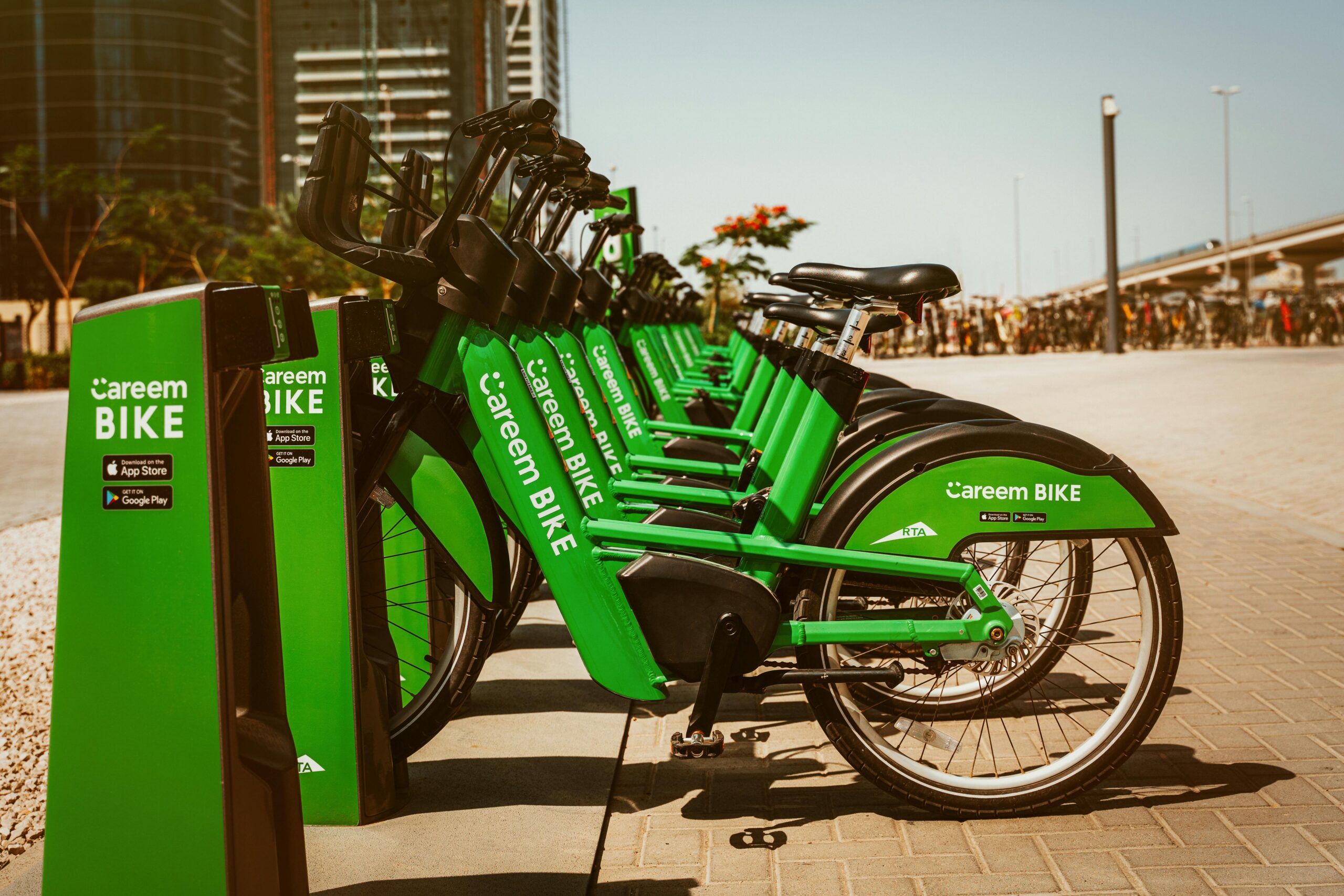
The transition to electric vehicles (EVs) represents one of the most visible and impactful changes in green logistics. Electric delivery vans, trucks, and even cargo bikes are rapidly replacing diesel-powered fleets in urban areas, delivering zero tailpipe emissions and significantly reduced noise pollution.
Major logistics companies have committed to electrifying substantial portions of their fleets. Companies like Amazon, UPS, and DHL have ordered thousands of electric delivery vehicles, with some pledging to achieve carbon-neutral delivery operations within the next decade.
Beyond battery-electric vehicles, alternative fuels are gaining traction for long-haul transportation where battery range remains challenging. Hydrogen fuel cells, renewable natural gas, and advanced biofuels offer pathways to decarbonize heavy freight transportation without sacrificing range or payload capacity.
Smart Routing and Load Optimization Technologies 📱
Advanced software solutions are revolutionizing logistics efficiency by optimizing routes, consolidating shipments, and reducing empty return trips. Artificial intelligence and machine learning algorithms analyze vast amounts of data to identify the most efficient delivery patterns, considering factors like traffic conditions, delivery windows, vehicle capacity, and carbon emissions.
These technologies can reduce total mileage by 10-30% while improving delivery times and customer satisfaction. By maximizing vehicle utilization and minimizing unnecessary journeys, companies simultaneously cut costs and emissions.
Real-time tracking systems enhance transparency throughout the supply chain, allowing for dynamic route adjustments that respond to changing conditions. This agility reduces fuel consumption and ensures optimal resource allocation across entire logistics networks.
🏭 Sustainable Warehousing and Distribution Centers
Modern green logistics extends beyond transportation to encompass sustainable warehouse operations. Distribution centers are being reimagined as energy-efficient facilities that minimize environmental impact while maximizing operational efficiency.
Solar panels on warehouse roofs, LED lighting systems, smart climate control, and energy-efficient material handling equipment dramatically reduce facility energy consumption. Some advanced warehouses achieve near-zero energy status, generating as much renewable energy as they consume.
Automation and Energy Efficiency
Automated storage and retrieval systems (AS/RS), robotic picking solutions, and autonomous mobile robots optimize warehouse operations while reducing energy consumption. These systems work around the clock with minimal environmental impact, using sophisticated algorithms to minimize movement and maximize efficiency.
Smart building management systems continuously monitor and adjust lighting, heating, and cooling based on occupancy and operational needs, eliminating energy waste. Some facilities incorporate natural ventilation and daylighting strategies that further reduce energy requirements.
📦 Sustainable Packaging Innovation
Packaging represents a significant source of waste in logistics operations, but innovative solutions are transforming this challenge into an opportunity for environmental improvement. Businesses are adopting recyclable, biodegradable, and reusable packaging materials that protect products while minimizing environmental impact.
Right-sizing packaging reduces material waste and allows more efficient vehicle loading, decreasing the number of trips required. Some companies have eliminated packaging entirely for certain products, implementing bulk shipping and in-store dispensing systems.
Reusable container systems create closed-loop logistics where durable packaging circulates between suppliers, distribution centers, and retailers, eliminating single-use materials entirely. These systems require coordination and reverse logistics capabilities but deliver substantial environmental and cost benefits.
🚢 Decarbonizing Long-Distance and International Freight
While urban delivery systems rapidly electrify, decarbonizing long-distance trucking, rail, maritime, and air freight presents unique challenges requiring diverse solutions. The scale and energy requirements of these operations demand innovative approaches tailored to each transportation mode.
Maritime Shipping Innovations
Ocean freight, which moves approximately 90% of global trade, is exploring multiple decarbonization pathways. Wind-assisted propulsion systems, including modern sail technologies and rotor sails, supplement traditional engines to reduce fuel consumption by up to 20%.
Alternative fuels like liquefied natural gas (LNG), methanol, and ammonia offer lower-carbon options for ship propulsion. Major shipping companies are investing in vessels designed to run on these cleaner fuels, while port infrastructure evolves to support new fueling requirements.
Slow steaming—operating vessels at reduced speeds—significantly decreases fuel consumption and emissions, though it requires careful supply chain planning to accommodate longer transit times.
Rail Freight Electrification
Rail transport already represents one of the most energy-efficient freight options, but electrification and efficiency improvements continue advancing. Electrified rail lines eliminate direct emissions, while regenerative braking systems capture energy during deceleration for reuse.
In regions where electrification isn’t feasible, hybrid locomotives and alternative fuel systems reduce carbon footprints compared to traditional diesel engines. Rail’s inherent efficiency advantage over trucking makes modal shift from road to rail a powerful decarbonization strategy.
🌱 The Business Case for Green Logistics
Sustainability isn’t just an environmental imperative—it makes compelling business sense. Companies implementing green logistics strategies discover multiple financial benefits that strengthen their competitive position while contributing to environmental goals.
Fuel efficiency improvements directly reduce operating costs, often delivering rapid return on investment. Electric vehicles, despite higher upfront costs, typically offer lower total cost of ownership due to reduced fuel and maintenance expenses.
Enhanced brand reputation attracts environmentally conscious customers and business partners, opening new market opportunities. Many major retailers now require sustainability commitments from suppliers, making green practices essential for maintaining business relationships.
Regulatory compliance becomes easier as environmental standards tighten worldwide. Companies proactively adopting sustainable practices avoid future penalties and costly retrofits, maintaining operational flexibility as regulations evolve.
Measuring and Reporting Environmental Performance
Effective green logistics requires robust measurement systems that track carbon emissions, energy consumption, and other environmental metrics. Carbon accounting frameworks help companies understand their supply chain footprint and identify optimization opportunities.
Standardized reporting frameworks like the Greenhouse Gas Protocol provide consistency and credibility to environmental claims. Third-party verification and certification programs, such as SmartWay and ISO 14001, validate environmental performance and build stakeholder trust.
🚀 Emerging Technologies Shaping the Future
Innovation continues accelerating in green logistics, with emerging technologies promising even greater environmental benefits. These developments will further transform how goods move through supply chains over the coming decades.
Autonomous vehicles could optimize driving patterns beyond human capability, reducing energy consumption through perfect speed control and route execution. Platooning systems, where trucks drive in close formation, reduce aerodynamic drag and fuel consumption.
Drone delivery for small packages offers zero-emission last-mile solutions in appropriate contexts, though regulatory and technical challenges remain. Urban air mobility concepts explore electric vertical takeoff and landing aircraft for time-sensitive deliveries.
Blockchain technology enhances supply chain transparency, enabling precise tracking of environmental performance and supporting circular economy initiatives through improved visibility into product lifecycles and reverse logistics.
💡 Implementing Green Logistics: Practical Steps for Businesses
Organizations seeking to embrace green logistics can take concrete steps regardless of size or industry. Starting with assessment and priority-setting establishes a foundation for meaningful progress.
Conducting a comprehensive carbon audit reveals emissions sources across the supply chain, identifying high-impact opportunities for improvement. This baseline measurement enables goal-setting and progress tracking over time.
Developing a sustainability roadmap with specific, measurable targets creates accountability and guides investment decisions. Short-term quick wins build momentum while longer-term structural changes address fundamental operations.
Engaging employees, partners, and customers in sustainability initiatives multiplies impact. Training programs build awareness and capability, while collaboration with suppliers and logistics providers extends green practices throughout the value chain.
Overcoming Implementation Challenges
Transitioning to green logistics presents challenges including upfront costs, technology limitations, and operational complexity. However, strategic planning and phased implementation help manage these obstacles.
Financing mechanisms including green bonds, sustainability-linked loans, and government incentives can offset initial investment costs. Pilot programs allow testing and refinement before full-scale deployment, reducing risk and building organizational confidence.
Partnerships with technology providers, industry associations, and peer companies accelerate learning and problem-solving. Shared infrastructure, such as charging networks and alternative fuel stations, addresses common barriers through collective action.
🌟 Creating a Sustainable Transportation Ecosystem
The transformation toward low-carbon transportation extends beyond individual company actions to require systemic change across entire transportation ecosystems. Collaboration among businesses, governments, and communities creates the infrastructure and policy environment enabling widespread adoption of sustainable practices.
Government policies play crucial roles through emission standards, carbon pricing, infrastructure investment, and incentive programs. Public investment in charging infrastructure, renewable energy generation, and sustainable transit options creates enabling conditions for private sector action.
Urban planning that prioritizes multimodal transportation, dedicates space for micro-distribution centers, and implements low-emission zones supports efficient green logistics while improving quality of life for residents.
Industry standards and collaborative initiatives share best practices, establish common metrics, and drive collective progress. Organizations like the Smart Freight Centre and the Global Logistics Emissions Council facilitate knowledge exchange and coordinated action across the sector.

🔮 The Road Ahead: Vision for 2030 and Beyond
The next decade will prove decisive in determining whether logistics can decarbonize rapidly enough to meet global climate goals. Current momentum suggests significant progress is possible, though challenges remain substantial.
Technology costs continue declining, making sustainable solutions increasingly accessible. Battery prices have dropped over 85% in the past decade, while renewable energy has become the cheapest electricity source in most markets. These trends will accelerate adoption of electric vehicles and clean energy across logistics operations.
Regulatory pressure will intensify as governments implement stricter emissions standards and carbon pricing mechanisms. The European Union’s Green Deal, California’s Advanced Clean Trucks rule, and similar policies worldwide are compelling rapid transformation.
Consumer expectations for sustainable delivery options will shape service offerings, with carbon-neutral shipping becoming standard rather than premium. Transparency about environmental impact will differentiate brands and influence purchasing decisions.
The convergence of environmental necessity, economic opportunity, and technological capability positions the logistics sector for unprecedented transformation. Companies embracing this change will thrive, while those resisting risk obsolescence in an increasingly carbon-constrained world.
Green logistics and low-carbon transportation represent more than operational adjustments—they embody a fundamental reimagining of how commerce functions in harmony with planetary boundaries. The journey toward a sustainable logistics future requires commitment, innovation, and collaboration, but the destination promises cleaner air, reduced climate impact, and prosperous businesses aligned with the values of a changing world. The power to drive this transformation lies with every organization, fleet operator, and individual making choices about how goods move through our interconnected global economy. 🌍