Circular supply chains are transforming how businesses operate, shifting from wasteful linear models to regenerative systems that prioritize resource efficiency and environmental responsibility.

🔄 The Urgent Need for Circular Transformation
The traditional linear economy—take, make, dispose—has reached its breaking point. With global resource consumption expected to double by 2050 and landfills overflowing with valuable materials, businesses face unprecedented pressure to reimagine their supply chains. The circular economy offers a compelling alternative, where products and materials circulate continuously, waste becomes a design flaw rather than an inevitability, and economic growth decouples from resource depletion.
Companies worldwide are recognizing that sustainability isn’t just an ethical imperative—it’s a competitive advantage. Research shows that circular business models can generate $4.5 trillion in economic benefits by 2030, while simultaneously reducing carbon emissions by 39% and creating millions of new jobs. The question is no longer whether to embrace circularity, but how to implement it effectively across complex global supply networks.
Understanding the Architecture of Circular Supply Chains
Circular supply chains fundamentally differ from their linear counterparts by designing systems where materials maintain their value through multiple lifecycles. Instead of flowing in one direction—from raw material extraction to final disposal—circular systems create closed loops where outputs become inputs for new production cycles.
These systems operate on several core principles. First, they prioritize designing out waste from the beginning, creating products that can be easily disassembled, repaired, or recycled. Second, they keep products and materials in use at their highest value for as long as possible through strategies like refurbishment, remanufacturing, and sharing platforms. Third, they regenerate natural systems by returning biological materials safely to the environment and eliminating toxic substances.
The Three Essential Flow Mechanisms
Closed-loop supply chains typically incorporate three distinct but interconnected flow mechanisms. The technical cycle manages synthetic and mineral materials that cannot return to nature, keeping them circulating through repair, reuse, and recycling processes. The biological cycle handles organic materials designed to safely biodegrade and nourish natural systems. Finally, the service cycle transforms traditional product ownership into access-based models, where manufacturers retain ownership and responsibility for materials throughout their lifecycle.
🏭 Industrial Applications Driving Real Change
Leading manufacturers are proving that circular supply chains deliver tangible results. In the automotive sector, companies are designing vehicles with 95% recyclable components and establishing take-back programs that recover valuable materials like platinum, palladium, and rare earth elements. These initiatives reduce dependency on virgin material extraction while creating new revenue streams from secondary materials.
The electronics industry faces particular challenges due to complex product designs and hazardous materials. Progressive companies are responding by implementing urban mining programs that extract precious metals from discarded devices more efficiently than traditional mining operations. One major smartphone manufacturer now recovers cobalt, tin, and rare earth elements from returned devices, reintegrating them into new products and reducing environmental impact by 40%.
In fashion and textiles, circular pioneers are revolutionizing an industry notorious for waste. By implementing fiber-to-fiber recycling technologies, brands transform worn garments into new textiles without quality degradation. These systems reduce water consumption by 95% and eliminate the need for pesticide-intensive cotton cultivation or petroleum-based synthetic fibers.
Technology Enablers for Closed-Loop Success
Digital technologies serve as the nervous system of circular supply chains, providing visibility, traceability, and optimization capabilities essential for managing complex reverse logistics and material flows. Blockchain technology enables transparent tracking of materials throughout their lifecycle, creating digital passports that document composition, origin, and handling instructions for optimal recovery.
Artificial Intelligence and Machine Learning Applications
AI-powered systems optimize collection routes for returned products, predict maintenance needs to extend product lifespans, and improve sorting accuracy in recycling facilities. Machine learning algorithms analyze vast datasets to identify patterns in product failures, informing design improvements that enhance durability and repairability. These technologies reduce operational costs while increasing material recovery rates.
Internet of Things sensors embedded in products provide real-time data on usage patterns, performance, and location. This information enables predictive maintenance, facilitates efficient collection when products reach end-of-use, and helps manufacturers understand how products perform in real-world conditions. Smart packaging incorporating IoT capabilities guides consumers through proper disposal processes, increasing recovery rates significantly.
♻️ Reverse Logistics: The Backbone of Circularity
Effective reverse logistics systems distinguish successful circular supply chains from aspirational initiatives. Unlike traditional forward logistics optimized for efficiency and speed, reverse flows must manage uncertainty in timing, quantity, quality, and location of returned items. This complexity requires sophisticated planning and flexible infrastructure.
Companies excel at reverse logistics by establishing convenient collection points, offering incentives for returns, and creating partnerships with retail networks and logistics providers. Deposit-refund systems prove particularly effective, generating return rates exceeding 90% for beverage containers in markets where implemented. Extended producer responsibility programs shift end-of-life management costs from municipalities to manufacturers, incentivizing better design for circularity.
Quality Assessment and Material Sorting
Returned products require assessment to determine optimal recovery pathways. Advanced sorting facilities use spectroscopy, machine vision, and artificial intelligence to identify materials with 99% accuracy, separating items for direct reuse, refurbishment, remanufacturing, or recycling. This precision maximizes value retention and ensures materials enter appropriate recovery streams.
Refurbishment operations restore products to working condition through cleaning, minor repairs, and component replacement. Remanufacturing involves more extensive disassembly and rebuilding to like-new specifications, often with updated components. Both processes require skilled labor and specialized facilities but generate higher returns than recycling while reducing environmental impact by 80% compared to new production.
Business Model Innovation in Circular Economy
Circular supply chains enable entirely new business models that decouple revenue from material consumption. Product-as-a-service arrangements maintain manufacturer ownership while customers pay for performance or access. This alignment of incentives encourages durable design, regular maintenance, and efficient resource use since manufacturers retain responsibility for end-of-life management.
Lighting companies pioneered this approach, selling illumination services rather than bulbs and fixtures. By retaining ownership of equipment, they’re incentivized to install energy-efficient technologies and optimize maintenance schedules. Customers benefit from reduced energy costs and capital expenditure while eliminating disposal responsibilities. This model has expanded to manufacturing equipment, appliances, and transportation services.
Sharing Platforms and Collaborative Consumption
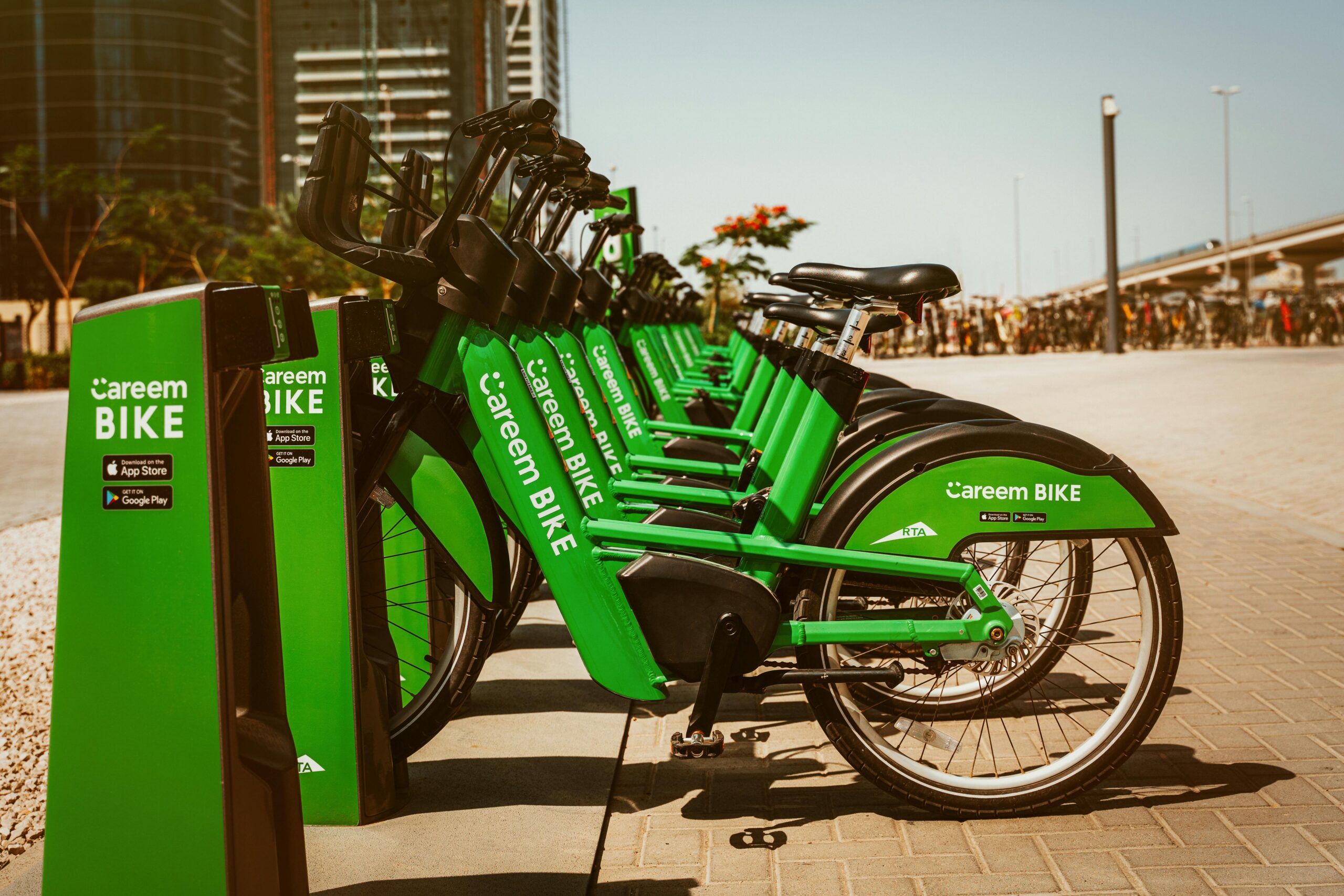
Digital platforms enable sharing economy models that increase utilization rates of underused assets. Tools, vehicles, and equipment often sit idle for 90% of their lifespan in ownership models. Sharing systems maximize value extraction from existing products, reducing demand for new production. One power tool sharing platform eliminated the need for manufacturing 200,000 new drills annually by enabling efficient sharing among users.
🌱 Environmental and Economic Benefits
The environmental advantages of circular supply chains are substantial and measurable. By keeping materials in productive use, circular systems reduce extraction of virgin resources, minimizing habitat destruction, water pollution, and energy consumption associated with mining and processing. Studies demonstrate that circular approaches reduce carbon emissions by 70% compared to linear alternatives across multiple industries.
Water consumption decreases dramatically in circular systems. Manufacturing from recycled materials typically requires 90% less water than virgin production. In agriculture and food systems, circular approaches that convert organic waste into compost and biogas eliminate methane emissions from landfills while regenerating soil health and reducing fertilizer requirements.
Economic benefits extend beyond environmental compliance and risk mitigation. Companies implementing circular supply chains report cost savings of 15-30% through reduced material purchases and waste disposal fees. New revenue streams emerge from selling refurbished products, recovered materials, and service contracts. The circular economy sector creates 25% more jobs than equivalent linear activities, particularly in skilled technical roles for repair, refurbishment, and remanufacturing.
Overcoming Implementation Challenges
Despite compelling benefits, organizations face significant barriers when transitioning to circular supply chains. Initial capital investment for reverse logistics infrastructure, sorting facilities, and refurbishment operations can be substantial. Companies must develop new capabilities in areas like predictive maintenance, material science, and customer engagement around product returns.
Regulatory and Policy Considerations
Inconsistent regulations across jurisdictions complicate circular supply chain implementation for global companies. Some regions mandate extended producer responsibility while others lack frameworks for managing product take-back. Harmonizing standards for recycled content, material traceability, and environmental claims would accelerate circular transitions. Progressive policies including tax incentives for circular activities, landfill restrictions, and public procurement preferences for circular products drive adoption.
Collaboration challenges emerge when circular systems require coordination across traditional competitors. Shared reverse logistics networks, standardized component designs, and pooled refurbishment facilities generate efficiencies but demand unprecedented cooperation. Industry consortiums and pre-competitive collaboration platforms help overcome these barriers, establishing common standards and infrastructure.
📊 Measuring Circularity Performance
Organizations need robust metrics to track progress toward circularity goals and identify improvement opportunities. Traditional linear metrics like throughput and efficiency become insufficient when managing complex circular flows. New frameworks assess material circularity, measuring the proportion of recycled inputs and products designed for recovery.
Key performance indicators for circular supply chains include material recovery rates, product lifetime extension, secondary material quality, reverse logistics efficiency, and customer return rates. Companies track the circular revenue share—percentage of income from circular business models like servitization, sharing, and refurbishment. Leading organizations publish annual circularity reports with quantified environmental and social impacts.
🚀 Future Trajectories and Emerging Innovations
The evolution of circular supply chains accelerates as technologies mature and business case evidence accumulates. Advanced recycling technologies including chemical recycling break down complex materials to molecular building blocks, enabling infinite recycling of plastics previously destined for incineration or landfill. These innovations eliminate quality degradation that limits mechanical recycling.
Bio-based materials designed for circularity offer alternatives to petroleum-derived inputs. Mushroom-based packaging, algae textiles, and bacterial cellulose provide comparable performance with complete biodegradability. When combined with circular supply chain systems, these materials enable truly regenerative production systems that enhance rather than degrade natural environments.
Digital Product Passports and Material Marketplaces
Emerging digital infrastructure will transform circular supply chain efficiency. Digital product passports containing comprehensive information about materials, components, and disassembly instructions will accompany products throughout their lifecycle. This transparency enables optimal recovery decisions and facilitates secondary material markets.
Online marketplaces for recovered materials connect supply and demand, reducing search costs and improving price discovery. These platforms apply AI to match available materials with manufacturer requirements, considering location, quality, and quantity. As market liquidity increases, recycled materials achieve price parity with virgin alternatives, accelerating circular adoption.
Strategic Implementation Roadmap
Organizations beginning circular transformation should start with comprehensive material flow analysis, mapping inputs, processes, and outputs to identify circularity opportunities. Prioritize initiatives based on material value, environmental impact, and implementation feasibility. Quick wins demonstrating business case viability build organizational momentum and secure leadership commitment for larger investments.
Pilot programs test circular approaches in controlled environments before full-scale rollout. Partner with suppliers, customers, and even competitors to develop shared infrastructure and standards. Invest in employee training to develop circular economy competencies across design, operations, and customer service functions. Engage customers early, educating them about circular product benefits and participation requirements for returns and proper end-of-life handling.
Monitor performance continuously against established metrics, iterating approaches based on data insights. Share learnings transparently with industry peers to accelerate collective progress. Circular supply chain transformation represents a multi-year journey requiring sustained commitment, but organizations that lead this transition position themselves for long-term competitive advantage in resource-constrained markets.

🌍 The Competitive Imperative of Going Circular
Market forces increasingly favor circular supply chains. Investors scrutinize environmental performance, with circular business models attracting premium valuations. Consumers, particularly younger demographics, prefer brands demonstrating environmental responsibility and will pay premiums for circular products. Regulatory pressure intensifies globally, with extended producer responsibility mandates, recycled content requirements, and single-use plastic bans proliferating.
Resource security concerns drive strategic interest in circularity. Companies dependent on materials subject to price volatility or geopolitical supply risks benefit from circular systems that provide stable access to secondary materials. As virgin resource extraction becomes more expensive and environmentally challenging, recycled materials offer cost advantages alongside sustainability benefits.
The transition to circular supply chains and closed-loop flows represents one of the most significant business transformations of our era. Organizations that master circular systems will thrive in resource-constrained markets while contributing to planetary health. The tools, technologies, and business models exist today—what remains is the vision and commitment to revolutionize how we design, produce, consume, and recover the materials that sustain modern life.