The circular economy is no longer a distant vision—it’s a tangible revolution transforming how businesses and individuals approach resource management, waste reduction, and environmental sustainability through lifecycle loops.

🔄 Understanding Lifecycle Loops: The Foundation of Circular Economics
Lifecycle loops represent a fundamental shift from the traditional linear “take-make-dispose” model to a regenerative system where resources circulate continuously. This approach recognizes that every product, material, and resource has multiple potential uses beyond its initial purpose. Instead of ending up in landfills, materials are reintegrated into production cycles, creating closed-loop systems that minimize waste and maximize value.
The concept draws inspiration from natural ecosystems, where waste from one organism becomes nutrients for another. In industrial and commercial contexts, lifecycle loops involve designing products with their end-of-life in mind, establishing recovery systems, and creating infrastructure that supports continuous material circulation. This systemic approach addresses environmental degradation while generating economic opportunities through resource efficiency.
Organizations implementing lifecycle loops discover that sustainability and profitability aren’t mutually exclusive. By viewing waste as a design flaw rather than an inevitable byproduct, companies unlock innovation, reduce costs, and build resilience against resource scarcity and price volatility.
The Environmental Imperative: Why Traditional Models Are Failing
Our planet faces unprecedented environmental challenges driven largely by wasteful resource consumption patterns. The linear economy has generated alarming statistics: globally, we produce over 2 billion tons of municipal solid waste annually, with projections indicating a 70% increase by 2050. Meanwhile, resource extraction has tripled since 1970, accelerating habitat destruction, biodiversity loss, and climate change.
Traditional waste management strategies—primarily landfilling and incineration—prove inadequate for addressing these challenges. Landfills occupy valuable land, contaminate groundwater, and release methane, a potent greenhouse gas. Incineration, while reducing volume, releases carbon dioxide and potentially toxic emissions while destroying material value that could be recovered.
The extraction, processing, and disposal of materials account for approximately 45% of global greenhouse gas emissions. This staggering figure underscores how deeply resource management connects to climate action. Transitioning to lifecycle loops isn’t merely an environmental preference—it’s an ecological necessity for maintaining planetary boundaries and ensuring long-term human prosperity.
⚙️ Core Principles of Effective Lifecycle Loop Systems
Successful lifecycle loop implementation relies on several interconnected principles that work together to create resilient circular systems:
Design for Circularity
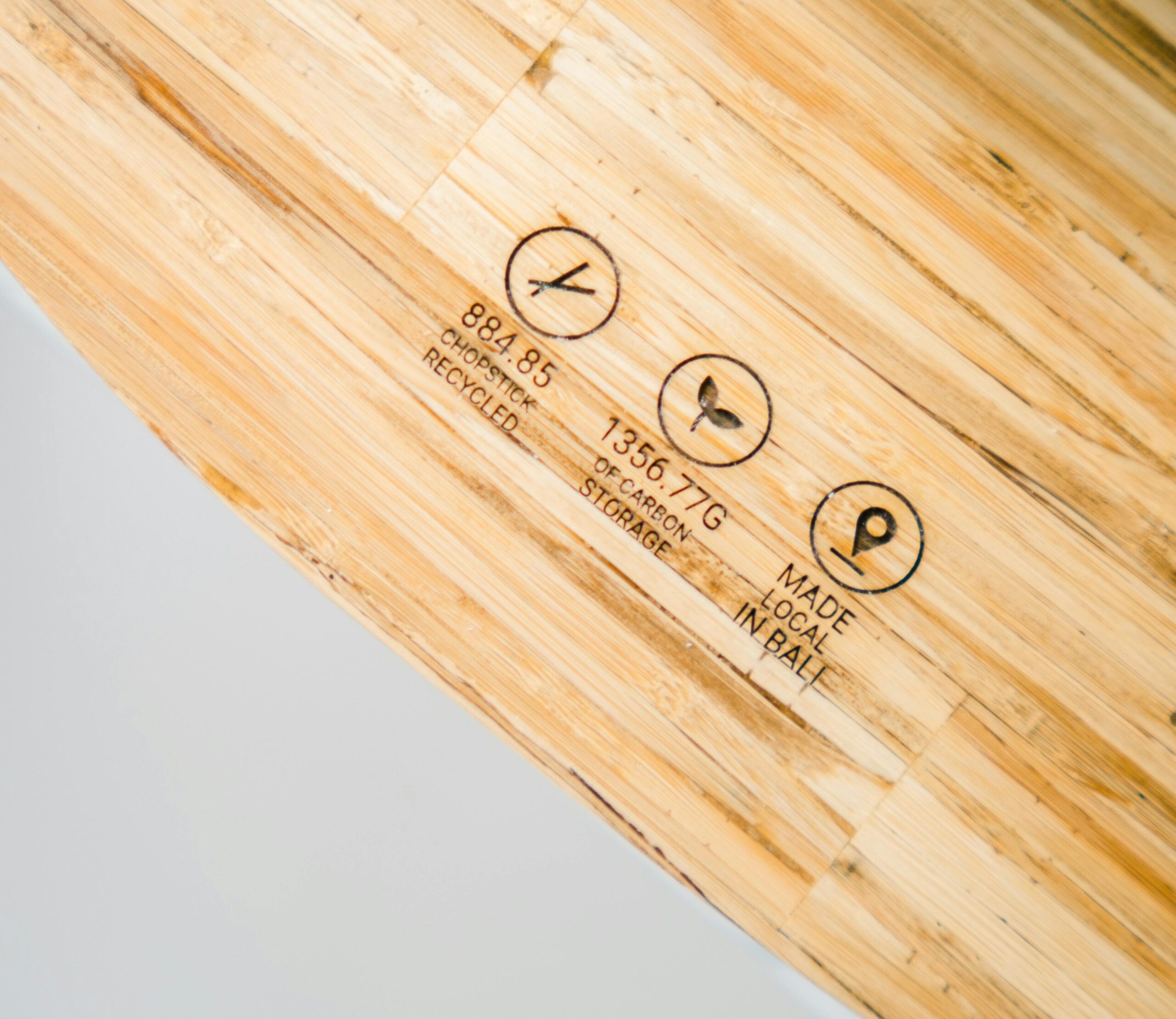
Products must be intentionally designed for disassembly, repair, refurbishment, and recycling. This means selecting materials that are non-toxic, renewable, or infinitely recyclable, avoiding composite materials that cannot be separated, and creating modular designs that facilitate component replacement. Design decisions made at the conception stage determine approximately 80% of a product’s environmental impact throughout its lifecycle.
Maintaining Product Integrity
Lifecycle loops prioritize keeping products and materials at their highest utility and value. This hierarchy emphasizes maintenance and repair first, followed by refurbishment and remanufacturing, with recycling as a last resort before disposal. Each step down this hierarchy represents some value loss, so systems should maximize higher-loop strategies.
Reverse Logistics and Take-Back Systems
Effective material circulation requires infrastructure that brings products back to manufacturers or specialized facilities. This involves establishing collection networks, incentivizing product returns through deposit systems or trade-in programs, and creating partnerships across supply chains to facilitate material flows in both directions.
Transparency and Traceability
Knowing what materials are in products and where they are throughout their lifecycle enables effective recovery and reprocessing. Digital technologies like blockchain, RFID tags, and material passports create transparency that supports sorting, quality control, and optimal material matching for secondary uses.
🏭 Industry Applications: Lifecycle Loops in Action
Various sectors have pioneered lifecycle loop implementations, demonstrating both environmental benefits and business value:
Fashion and Textiles
The fashion industry, notorious for resource intensity and waste generation, is embracing circular models. Companies now offer rental services, resale platforms, and take-back programs where old garments are converted into new fabrics. Chemical recycling technologies can break down blended fabrics into base fibers, solving a longstanding recycling challenge. Some brands design collections entirely from regenerated materials, proving that style and sustainability can coexist.
Electronics and Technology
Electronic waste contains valuable materials including precious metals, rare earths, and reusable components. Progressive manufacturers have established refurbishment programs, modular product designs that allow easy upgrades, and sophisticated urban mining operations that extract materials from discarded devices. These initiatives reduce dependence on environmentally destructive mining while capturing economic value from “waste” streams.
Food Systems
Lifecycle loops in food systems address the paradox of widespread hunger alongside massive food waste. Strategies include redistributing surplus food to those in need, converting organic waste into compost or animal feed, and utilizing anaerobic digestion to generate biogas from food scraps. Industrial symbiosis arrangements connect food processors with farms, returning nutrient-rich byproducts to agricultural soil.
Construction and Built Environment
The construction sector generates enormous waste volumes, yet building materials often retain significant value. Deconstruction rather than demolition allows material recovery and reuse. Material banks catalog components in existing buildings, creating marketplaces for reclaimed materials. Some architects now design buildings as “material depositories” with documented inventories that facilitate future harvesting.
💡 Technological Innovations Enabling Lifecycle Loops
Advanced technologies are removing barriers that historically prevented widespread circular economy adoption:
Artificial intelligence and machine learning optimize sorting processes, identifying and separating materials with unprecedented accuracy and speed. Computer vision systems can distinguish between hundreds of plastic types, dramatically improving recycling quality and economic viability.
Advanced materials science has produced biodegradable alternatives to conventional plastics, self-healing materials that extend product lifespans, and new alloys specifically designed for repeated recycling without quality degradation. These innovations expand what’s possible within circular systems.
Digital platforms connect supply and demand for secondary materials, creating liquid markets where companies can source recycled inputs or find buyers for their waste streams. These marketplaces reduce transaction costs and information asymmetries that previously hindered circular flows.
Internet of Things sensors embedded in products provide real-time data on usage patterns, remaining lifespan, and optimal maintenance timing. This information enables predictive maintenance, extends product durability, and informs collection logistics when items reach end-of-life.
🌍 Economic Benefits Beyond Environmental Gains
Lifecycle loops generate substantial economic advantages that strengthen the business case for circular transitions:
Resource efficiency directly improves bottom lines by reducing material costs, which often represent significant operational expenses. Companies implementing circular strategies report material cost savings ranging from 15-30%, providing competitive advantages and insulation against commodity price volatility.
New revenue streams emerge from services, refurbishment operations, and secondary material sales. The shift from ownership to access models—where companies retain ownership and provide products as services—creates ongoing customer relationships and recurring revenue rather than one-time transactions.
Brand differentiation and customer loyalty strengthen as consumers increasingly prefer sustainable options. Research consistently shows that sustainability influences purchasing decisions, particularly among younger demographics who will drive future market trends.
Risk mitigation becomes increasingly valuable as resource scarcity, regulatory pressures, and supply chain disruptions intensify. Circular business models reduce dependence on virgin material extraction, diversify supply sources, and build resilience against external shocks.
Job creation accompanies circular transitions, with estimates suggesting that transitioning to a circular economy could generate millions of new employment opportunities in sectors like repair, remanufacturing, and material processing. These jobs are often local and resistant to automation, supporting community economic development.
Overcoming Implementation Challenges
Despite compelling benefits, organizations face real obstacles when implementing lifecycle loops:
Initial investment requirements can be substantial, particularly for establishing reverse logistics, developing new product designs, or acquiring processing equipment. However, these investments typically deliver returns through operational savings and new revenue, with payback periods often measured in months rather than years.
Regulatory frameworks remain oriented toward linear models in many jurisdictions, creating compliance uncertainties or perverse incentives that favor virgin materials over recycled alternatives. Advocacy for policy reforms and engagement with regulators can help address these systemic barriers.
Cultural and organizational inertia resists change, especially when circular approaches require cross-functional collaboration and altered metrics for success. Leadership commitment, employee education, and piloting small-scale projects build momentum and demonstrate value before scaling initiatives.
Technical limitations persist for certain materials and products, where current recycling technologies cannot maintain quality or economic viability. Continued research investment and collaboration between industries and academia gradually expands the boundaries of what’s technically feasible.
🚀 Practical Steps for Organizations Beginning Their Circular Journey
Organizations ready to embrace lifecycle loops can follow a structured approach:
Begin with comprehensive material flow analysis to understand current resource consumption, waste generation, and potential circular opportunities. This baseline assessment identifies high-impact areas and quantifies potential benefits.
Engage stakeholders across the value chain, including suppliers, customers, waste management partners, and industry associations. Circular transitions require collaboration, and early engagement builds relationships and identifies synergies.
Pilot circular initiatives in defined scopes to test concepts, refine approaches, and build organizational capabilities before enterprise-wide rollouts. These pilots generate proof points and learning that inform scaling strategies.
Redesign products and processes with circularity principles embedded from inception. This may involve selecting alternative materials, creating modular architectures, or developing service-based business models that retain ownership.
Establish metrics and tracking systems that measure circular performance beyond traditional waste diversion rates. Consider material circularity indicators, product lifespan data, and lifecycle environmental impacts.
Invest in employee development to build circular economy literacy and technical capabilities across the organization. Creating internal champions and expertise accelerates implementation and sustains momentum.
🌱 The Role of Individual Actions in Scaling Lifecycle Loops
While systemic change requires institutional transformation, individual choices collectively drive market signals that accelerate circular transitions:
Purchasing decisions favoring durable, repairable products over disposable alternatives create demand for circular designs. Supporting companies with take-back programs, repair services, and transparent supply chains rewards circular business models.
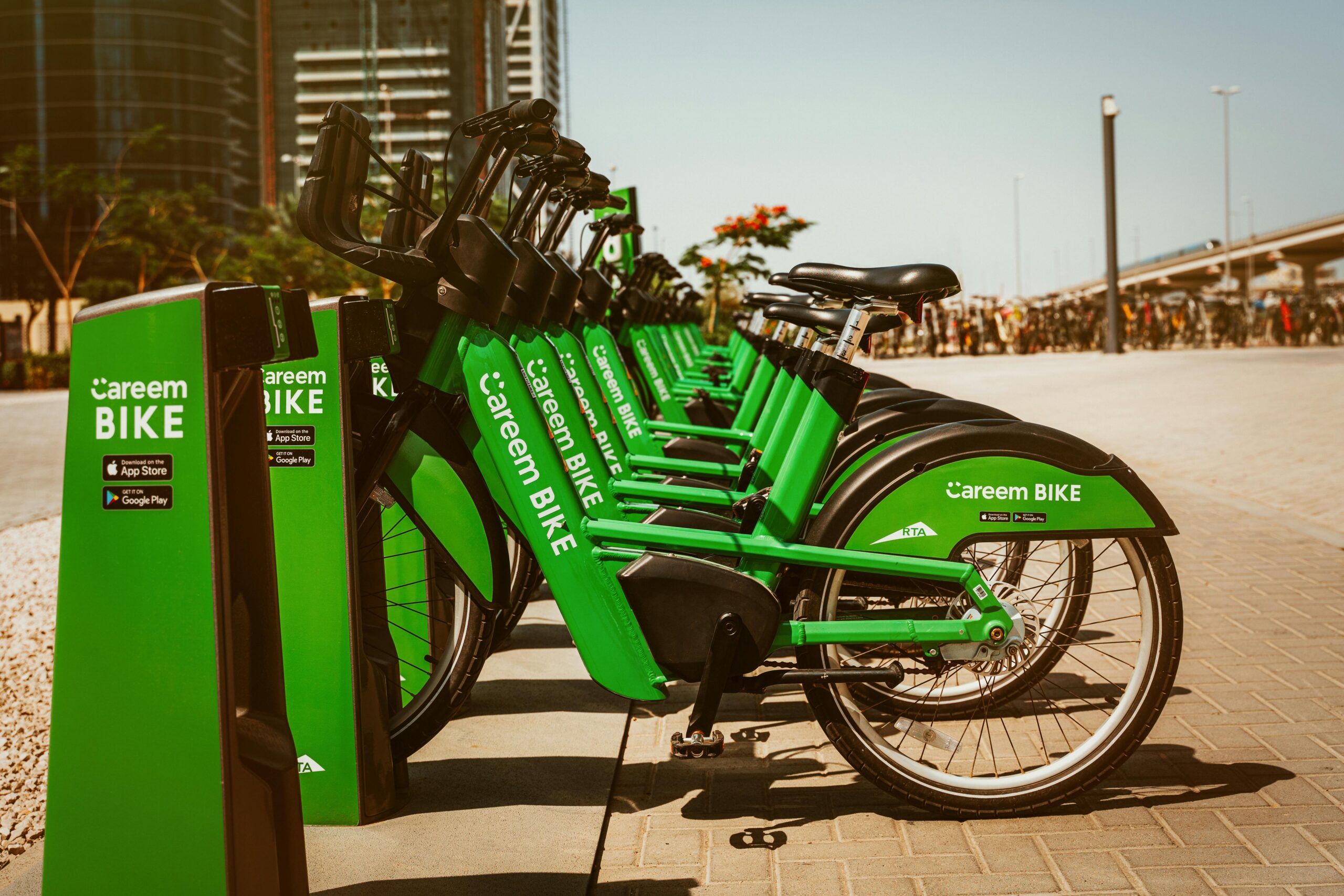
Participating in sharing economy platforms maximizes utilization of existing products rather than manufacturing new items for occasional use. Tool libraries, car sharing, and clothing rental services demonstrate how access can replace ownership without sacrificing functionality.
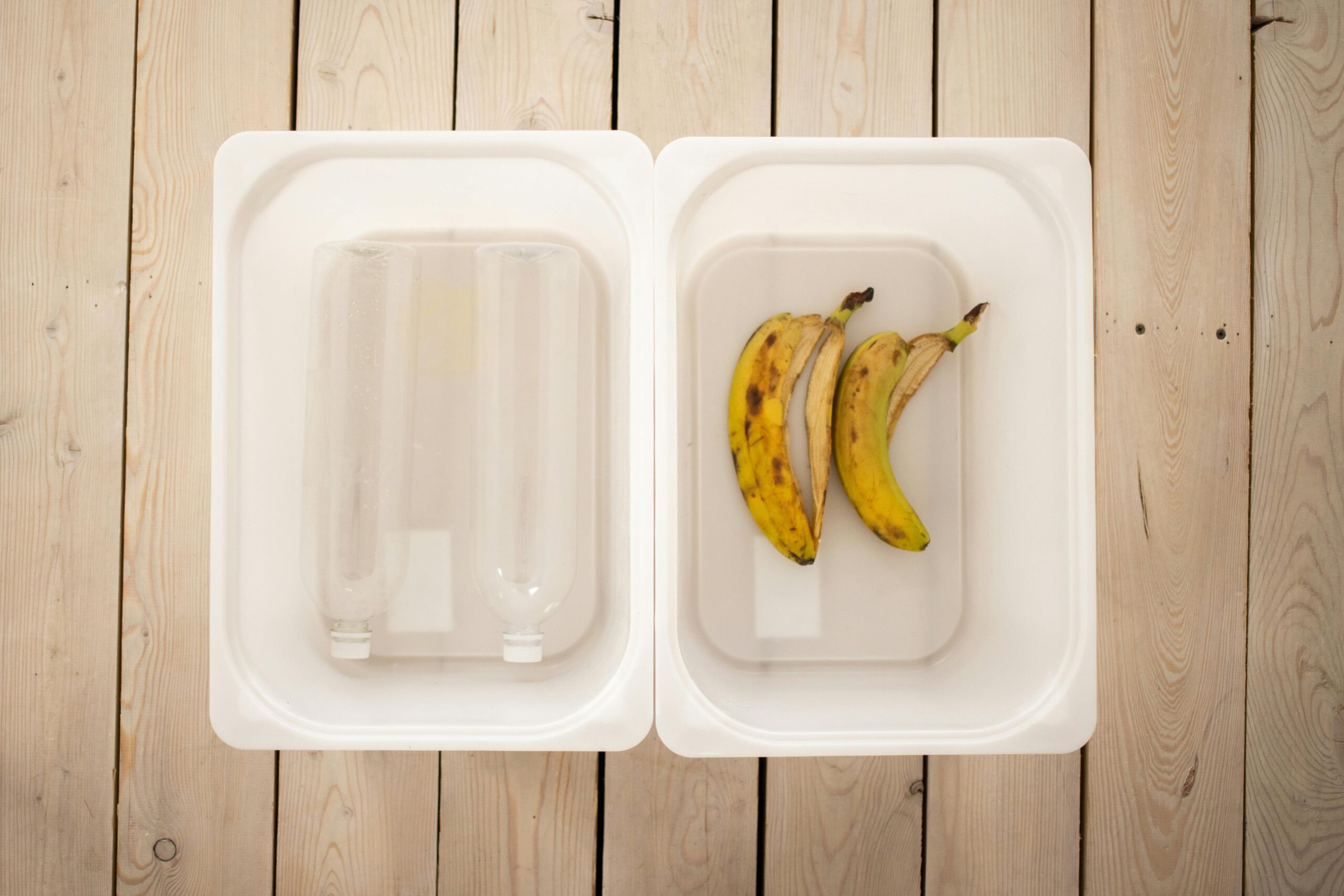
Proper sorting and participation in collection programs ensures materials enter recovery systems rather than contaminating waste streams or being lost to landfills. Understanding local recycling guidelines and avoiding wishcycling improves system effectiveness.
Advocating for policy changes that support circular economy transitions—such as extended producer responsibility, right-to-repair legislation, and green procurement standards—creates enabling conditions for systemic transformation.
Looking Forward: The Inevitable Circular Future
The transition to lifecycle loop systems isn’t merely environmentally responsible—it’s economically inevitable. Resource constraints, climate imperatives, and evolving consumer expectations are converging to make circular models the only viable long-term approach. Organizations recognizing this trajectory and proactively adapting will lead markets, while those clinging to linear models face growing risks and diminishing relevance.
Emerging innovations continue expanding circular possibilities. Advances in biotechnology enable biological recycling processes that can transform materials at molecular levels. Decentralized manufacturing technologies like 3D printing allow local production from recycled materials, reducing transportation impacts and enabling customization. Blockchain-based systems create transparent material tracking and automate circular transactions.
The coming decades will witness unprecedented collaboration as industries recognize that circular transitions require collective action. Industry-wide standards for material composition, shared infrastructure for collection and processing, and pre-competitive collaboration on technological challenges will accelerate progress beyond what individual organizations can achieve alone.
Ultimately, lifecycle loops represent more than waste reduction strategies—they embody a fundamental reimagining of our relationship with materials and resources. By recognizing that we don’t have a waste problem but rather a design opportunity, we unlock pathways toward prosperity that regenerate rather than degrade the natural systems upon which all life depends. The revolution in sustainability through lifecycle loops has begun, and its momentum grows daily as more organizations and individuals embrace circular principles and demonstrate their transformative potential.