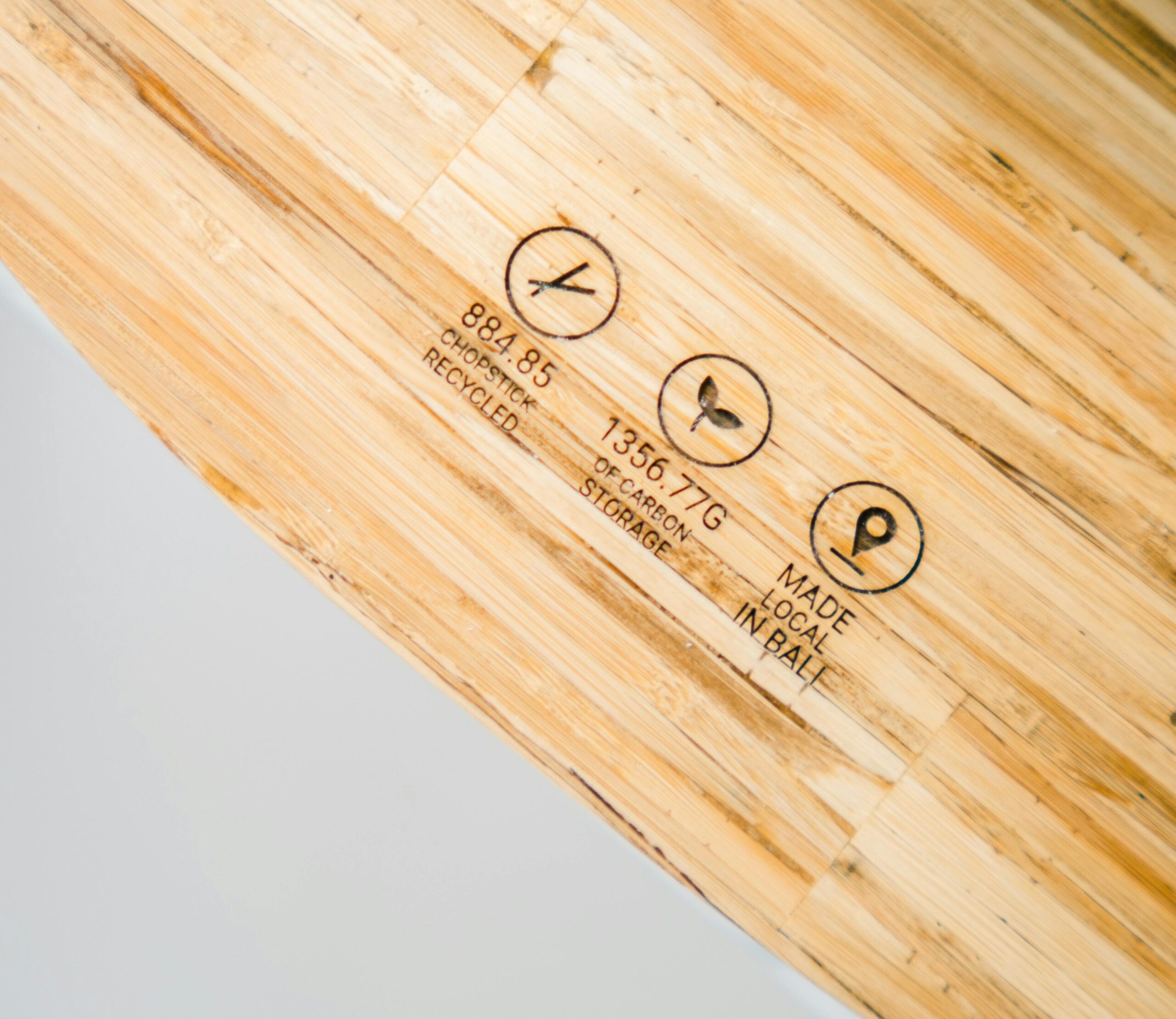
The future of sustainable design lies in creating products that don’t just minimize waste but eliminate it entirely through intelligent, circular approaches to manufacturing and end-of-life planning.

As global waste generation continues to escalate and natural resources become increasingly scarce, the traditional linear economy model of “take-make-dispose” has proven unsustainable. Industries worldwide are recognizing that true environmental responsibility requires a fundamental shift in how we design, manufacture, and ultimately deconstruct products. This transformation centers on a powerful concept: designing for disassembly within circular economy principles.
Designing for disassembly (DfD) represents more than just an environmental buzzword—it’s a comprehensive methodology that reimagines products from their initial conception through their eventual deconstruction. By integrating circular principles into the design phase, manufacturers can create products that maintain material value, reduce environmental impact, and contribute to a regenerative economic system that benefits both businesses and the planet.
🔄 Understanding Design for Disassembly in the Circular Context
Design for disassembly is a strategic approach that ensures products can be easily taken apart at the end of their useful life, allowing components and materials to be recovered, refurbished, or recycled efficiently. Unlike conventional design practices that rarely consider post-consumer scenarios, DfD embeds end-of-life considerations into every design decision from the outset.
This methodology aligns seamlessly with circular economy principles, which aim to keep resources in use for as long as possible, extract maximum value during use, and recover materials to create new products. Together, these approaches challenge the wasteful linear model that has dominated industrial production since the Industrial Revolution.
The integration of DfD with circular principles addresses multiple sustainability challenges simultaneously. It reduces the extraction of virgin materials, minimizes energy consumption associated with manufacturing, decreases landfill waste, and creates new economic opportunities in remanufacturing and materials recovery sectors.
Core Principles That Drive Disassembly-Focused Design
Successful implementation of design for disassembly requires adherence to several foundational principles. Material selection stands at the forefront—choosing materials that are recyclable, non-toxic, and compatible with existing recovery infrastructure ensures that disassembled components have clear pathways for reuse or recycling.
Modular construction represents another critical principle. By creating products composed of distinct, separable modules, designers enable selective replacement of worn components while extending the product’s overall lifespan. This modularity also simplifies repair processes, making maintenance more accessible to both professionals and end-users.
Fastening and joining methods dramatically impact disassembly efficiency. Reversible connections using screws, bolts, and snap-fits allow for non-destructive disassembly, whereas permanent joining methods like welding or adhesives create barriers to material recovery. The strategic selection of fasteners can mean the difference between successful component recovery and material downcycling.
🏭 Industry Applications Transforming Production Models
Forward-thinking companies across diverse sectors are demonstrating that design for disassembly isn’t merely theoretical—it’s a practical, profitable approach to sustainable manufacturing. The electronics industry, facing mounting pressure over e-waste accumulation, has emerged as a leader in implementing DfD strategies.
Major technology manufacturers have introduced modular smartphones and laptops where batteries, screens, and other components can be easily replaced without specialized tools. This approach extends product lifespans significantly while reducing electronic waste, which currently represents one of the fastest-growing waste streams globally.
The furniture industry provides another compelling example. Companies specializing in circular design create products using mechanical fasteners rather than glues, enabling furniture to be disassembled for transportation, storage, or eventual material recovery. This approach reduces shipping costs due to flat-pack efficiency while ensuring materials can be reclaimed at end-of-life.
Automotive Sector Drives Material Recovery Innovation
The automotive industry has made substantial strides in designing vehicles for disassembly, driven partly by regulatory requirements like the European Union’s End-of-Life Vehicles Directive. Modern vehicles incorporate identification marking systems that help dismantlers quickly identify material types and separate components efficiently.
Leading manufacturers now design vehicles with strategic disassembly sequences in mind, positioning fasteners for easy access and minimizing material mixing in component construction. These efforts have dramatically increased vehicle recycling rates, with many manufacturers achieving recovery rates exceeding 95% by weight.
The transition toward electric vehicles presents new challenges and opportunities for DfD implementation. Battery packs, containing valuable materials like lithium and cobalt, require careful design considerations to enable safe disassembly and material recovery. Manufacturers investing in battery design for disassembly today are positioning themselves advantageously for tomorrow’s circular battery economy.
💡 Design Strategies That Enable Effective Disassembly
Implementing design for disassembly requires specific strategies that balance functionality, aesthetics, cost-effectiveness, and end-of-life considerations. Component standardization simplifies disassembly by reducing the variety of tools and knowledge required. When designers limit fastener types and sizes, dismantlers can work more efficiently, reducing time and cost associated with material recovery.
Visual identification systems represent another powerful strategy. Color-coding materials, embossing recycling symbols, or including material identification labels directly on components accelerates sorting processes and reduces contamination risks during recycling operations.
Access design ensures that critical connection points remain reachable throughout the product’s life. Hidden fasteners might create sleek aesthetics, but they create substantial barriers to repair and disassembly. Designers must balance visual appeal with practical accessibility considerations.
Material Selection With Recovery in Mind
Material choices fundamentally determine disassembly success. Mono-material design—using a single material type wherever possible—simplifies recycling processes and increases recovered material quality. When multiple materials are necessary, designers should select compatible materials that don’t require separation or that can be easily separated mechanically.
Avoiding hazardous substances protects both dismantlers and the environment while preventing material contamination that would render components unrecyclable. Designers increasingly reference materials databases that identify sustainable alternatives to traditionally problematic substances.
The concept of “design for recycling” extends beyond simply choosing recyclable materials—it requires understanding the specific recycling technologies available in target markets and designing products that align with these existing infrastructure capabilities.
🌍 Environmental and Economic Benefits Creating Win-Win Scenarios
The environmental advantages of design for disassembly extend across the entire product lifecycle. By facilitating material recovery, DfD reduces the environmental burden of virgin material extraction, which often involves energy-intensive processes with significant ecological impacts including habitat destruction, water pollution, and greenhouse gas emissions.
Energy savings represent another substantial benefit. Manufacturing products from recycled materials typically requires significantly less energy than producing items from virgin resources. For example, recycling aluminum saves approximately 95% of the energy required for primary production, while recycled steel saves about 60%.
Beyond environmental benefits, design for disassembly creates compelling economic opportunities. The remanufacturing industry, which depends on recovering functional components from used products, generates billions in economic value annually while creating skilled employment opportunities.
Building Resilient Supply Chains Through Material Recovery
Design for disassembly strengthens supply chain resilience by creating secondary material sources that buffer against price volatility and supply disruptions in virgin material markets. Companies investing in recovery infrastructure gain greater independence from geopolitical factors affecting raw material availability.
This circular approach also opens new revenue streams. Products designed for disassembly can support take-back programs where manufacturers reclaim used products, recover valuable materials, and reintroduce them into production cycles. This creates ongoing customer relationships while securing material supplies.
Forward-thinking businesses recognize that brand value increasingly connects to sustainability performance. Companies demonstrating genuine commitment to circular principles through design for disassembly practices enhance brand reputation, attract environmentally conscious consumers, and differentiate themselves in competitive markets.
🔧 Overcoming Implementation Challenges and Barriers
Despite clear benefits, design for disassembly faces implementation challenges that require strategic approaches. Initial design costs often increase as teams incorporate disassembly considerations, conduct lifecycle assessments, and potentially redesign existing products. However, these upfront investments typically generate returns through reduced material costs, enhanced brand value, and improved market positioning.
Knowledge gaps present another barrier. Many design teams lack training in DfD methodologies and circular economy principles. Organizations must invest in education, provide access to design tools specifically developed for circular design, and foster collaboration between designers and end-of-life specialists who understand dismantling and recycling processes.
Infrastructure limitations in recycling and remanufacturing sectors can constrain DfD effectiveness. Even well-designed products may not reach their recovery potential if collection systems, sorting facilities, and processing technologies remain underdeveloped in target markets. This challenge requires collaborative approaches involving manufacturers, policymakers, and waste management industries.
Regulatory Frameworks Accelerating Adoption
Policy interventions increasingly support design for disassembly implementation. Extended Producer Responsibility (EPR) regulations make manufacturers responsible for products throughout their entire lifecycle, creating financial incentives for designing products that facilitate cost-effective recovery.
Right-to-repair legislation gaining traction in various jurisdictions requires manufacturers to provide repair information, tools, and spare parts, essentially mandating design approaches compatible with disassembly principles. These regulations recognize that longevity and repairability represent critical sustainability strategies.
Ecodesign directives establish minimum standards for product environmental performance, including requirements related to material selection, durability, and end-of-life management. As these regulations expand and strengthen globally, design for disassembly transitions from competitive advantage to compliance necessity.
📊 Measuring Success Through Lifecycle Assessment
Quantifying design for disassembly effectiveness requires comprehensive assessment methodologies. Lifecycle assessment (LCA) provides frameworks for evaluating environmental impacts across all product stages—from material extraction through manufacturing, use, and end-of-life management.
Specific metrics help evaluate DfD performance. Disassembly time measures how quickly products can be taken apart, directly impacting recovery economics. Material recovery rates indicate what percentage of product mass gets reclaimed for reuse or recycling. Component reusability assesses whether parts maintain functionality for second-life applications.
Digital tools increasingly support DfD evaluation. Software platforms enable designers to model disassembly sequences, identify potential problems before production begins, and calculate environmental benefits of design alternatives. These tools transform abstract circular principles into concrete design decisions with measurable outcomes.
Creating Transparent Material Passports
Digital product passports represent an emerging innovation that enhances DfD effectiveness. These comprehensive digital records document material composition, component specifications, disassembly instructions, and recovery information. When products reach end-of-life, dismantlers access these passports to optimize recovery processes.
Blockchain technology offers potential for creating tamper-proof material passports that follow products throughout their lifecycles, ensuring information accuracy and accessibility. This transparency benefits all circular economy stakeholders—from designers and manufacturers to recyclers and policymakers.
🚀 Future Directions Shaping Tomorrow’s Circular Economy
The evolution of design for disassembly continues accelerating as technologies advance and circular economy principles gain mainstream acceptance. Artificial intelligence and machine learning applications promise to revolutionize both design optimization and automated disassembly processes.
AI-powered design tools can evaluate countless design variations, identifying configurations that optimize performance, cost, aesthetics, and disassembly potential simultaneously. These systems learn from existing products, building knowledge bases that continuously improve design recommendations.
Robotics technology enhances disassembly economics by automating processes currently requiring manual labor. Advanced vision systems identify component types, while robotic systems execute disassembly sequences with precision and consistency impossible for human workers. This automation particularly benefits electronics recycling, where component density and material diversity create manual disassembly challenges.
Biomimicry Inspiring Circular Design Innovation
Nature provides powerful models for circular systems where waste doesn’t exist—every organism’s output becomes another’s input. Biomimicry applies biological principles to design challenges, inspiring innovations like biodegradable materials that safely return to natural cycles or products that self-disassemble when exposed to specific environmental triggers.
These nature-inspired approaches could eventually eliminate disassembly requirements entirely for certain product categories. Imagine electronics that safely biodegrade after serving their purpose, with valuable materials naturally separating for recovery. While still largely experimental, such innovations represent the ultimate expression of circular design thinking.

🌟 Collective Action Driving Systemic Transformation
Revolutionizing sustainability through design for disassembly requires collaboration across entire value chains. Designers need feedback from dismantlers about what works in practice. Manufacturers must partner with recyclers to understand processing capabilities and constraints. Policymakers should consult industry stakeholders when crafting regulations that effectively encourage circular innovation.
Educational institutions play crucial roles by integrating circular design principles into curricula, ensuring future designers and engineers develop competencies in DfD methodologies from the beginning of their careers. This educational shift will gradually transform industry norms as graduates enter the workforce expecting and demanding circular approaches.
Consumer awareness and demand significantly influence manufacturer behavior. As public understanding of sustainability issues deepens, purchasing decisions increasingly favor products designed with circularity principles. This market pressure complements regulatory requirements, creating powerful incentives for widespread DfD adoption.
The transition toward circular economies built on design for disassembly principles represents one of the most significant industrial transformations in modern history. Success requires abandoning ingrained assumptions about product design, manufacturing processes, and business models. The path forward demands innovation, investment, and commitment from all stakeholders.
Yet the imperative couldn’t be clearer. With global material consumption accelerating, waste generation overwhelming management systems, and climate change demanding urgent action, continuing with business-as-usual approaches simply isn’t viable. Design for disassembly offers a practical, economically sound pathway toward genuinely sustainable production and consumption patterns.
The companies, industries, and societies that embrace these circular principles today position themselves advantageously for tomorrow’s resource-constrained world. By designing products that maintain material value across multiple lifecycles, we can create an economy that works with natural systems rather than against them—an economy where sustainability and prosperity reinforce rather than conflict with each other. This revolution in design thinking isn’t just about managing waste more effectively; it’s about reimagining our relationship with materials, products, and the planet itself. 🌱