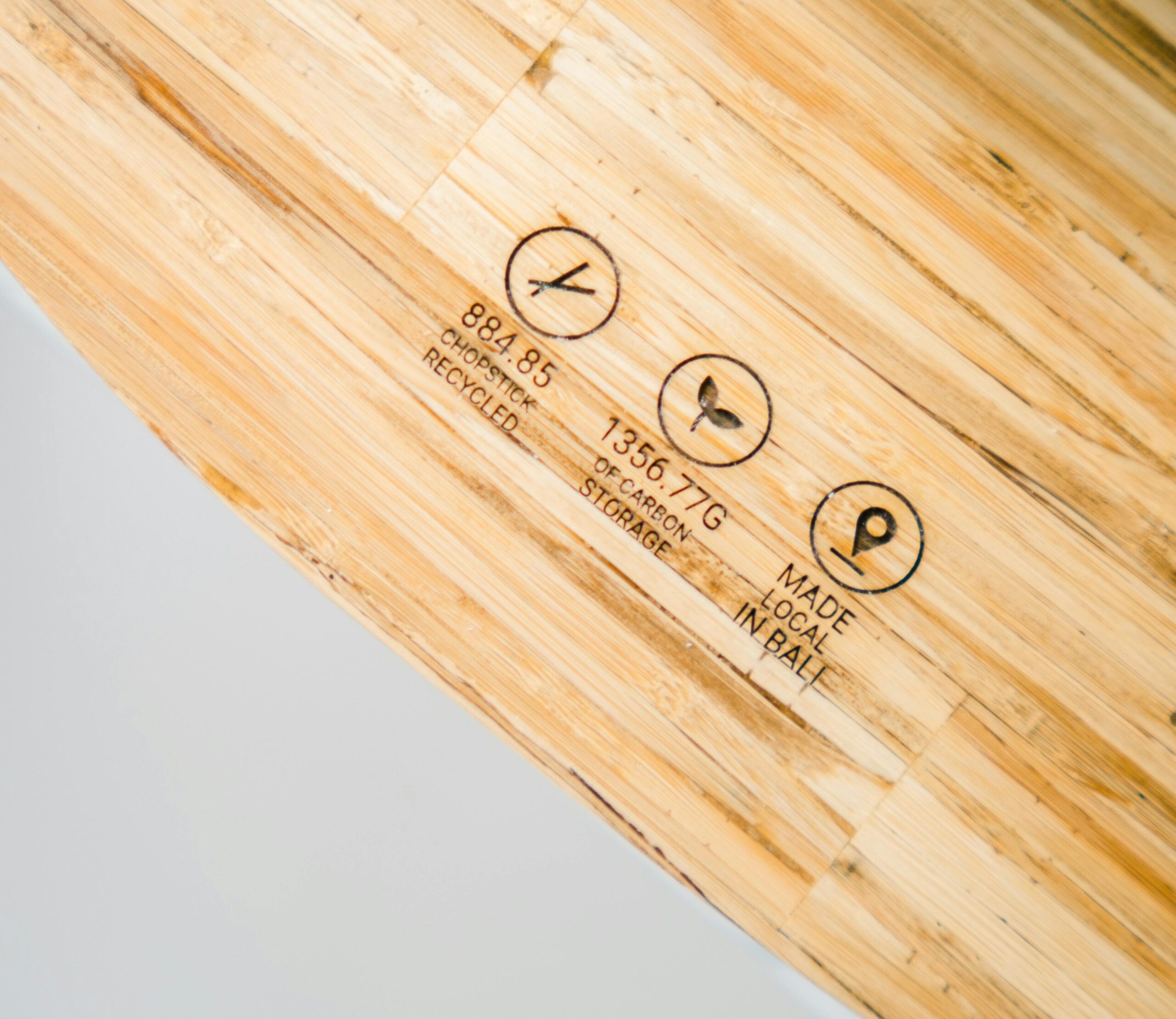
The fiber conversion industry faces mounting pressure to adopt cleaner production methods that minimize environmental impact while maintaining efficiency and profitability.

🌍 Understanding the Environmental Challenge in Fiber Processing
Fiber conversion processes, which transform raw materials like wood pulp, cotton, and synthetic polymers into usable products such as paper, textiles, and packaging materials, have historically been among the most resource-intensive and pollution-generating industrial activities. These operations consume vast quantities of water, energy, and chemicals while releasing substantial amounts of wastewater, airborne emissions, and solid waste into the environment.
The environmental footprint of traditional fiber conversion extends far beyond factory walls. Water pollution from bleaching agents, dyes, and chemical treatments affects aquatic ecosystems and drinking water supplies. Air emissions containing volatile organic compounds (VOCs), particulate matter, and greenhouse gases contribute to climate change and respiratory health issues in surrounding communities. Meanwhile, solid waste accumulation in landfills creates long-term environmental liabilities that future generations will inherit.
The urgency for sustainable solutions has never been greater. Regulatory frameworks worldwide are tightening emissions standards, while consumers increasingly demand eco-friendly products with transparent supply chains. Companies that fail to adapt risk losing market share, facing penalties, and damaging their brand reputation in an era where environmental responsibility drives purchasing decisions.
💧 Water Management: The Foundation of Cleaner Production
Water consumption represents one of the most significant environmental concerns in fiber conversion. Traditional pulp and paper mills can use up to 60,000 gallons of water per ton of finished product, making water conservation a critical priority for sustainable operations.
Closed-loop water systems have emerged as game-changing technology in this sector. These systems capture, treat, and recirculate process water multiple times before discharge, reducing freshwater intake by 70-90% compared to conventional methods. Advanced filtration technologies, including membrane bioreactors and reverse osmosis systems, enable mills to achieve water quality suitable for reuse while removing contaminants that would otherwise pollute natural waterways.
Innovative Wastewater Treatment Technologies
Modern fiber conversion facilities are implementing multi-stage wastewater treatment protocols that go far beyond basic settling and biological treatment. Anaerobic digestion systems break down organic compounds while generating biogas that can power plant operations, creating a circular energy economy within the facility itself.
Advanced oxidation processes using ozone, hydrogen peroxide, or UV light can break down persistent organic pollutants that traditional treatment methods cannot eliminate. These technologies are particularly effective for removing color from textile wastewater and destroying complex chemical compounds from specialty paper manufacturing.
Constructed wetlands and phytoremediation systems offer nature-based solutions that complement engineered treatment infrastructure. These biological systems use plants and microorganisms to absorb and neutralize pollutants, providing cost-effective polishing treatment while creating habitat for wildlife and enhancing facility aesthetics.
⚡ Energy Efficiency and Renewable Power Integration
Energy consumption in fiber conversion processes accounts for a substantial portion of operational costs and carbon emissions. Pulp drying alone can consume up to 60% of a paper mill’s total energy requirement, making efficiency improvements in this area particularly impactful.
Combined heat and power (CHP) systems represent a proven strategy for maximizing energy efficiency. These installations generate electricity while capturing waste heat for process applications, achieving overall efficiency rates of 70-80% compared to 45-50% for conventional separate generation. Many modern mills have achieved energy self-sufficiency by combining CHP with biomass boilers that burn bark, wood residues, and other process byproducts.
Transitioning to Renewable Energy Sources
Solar and wind power integration is transforming the energy profile of fiber conversion facilities worldwide. Large roof areas and adjacent land provide ideal locations for photovoltaic installations, while mills in windy regions are partnering with utility-scale wind projects to secure clean power through long-term purchase agreements.
Battery storage systems and smart grid technologies enable facilities to optimize renewable energy utilization despite its intermittent nature. These systems charge during periods of excess generation and discharge during peak demand, reducing reliance on fossil fuel backup generation while lowering electricity costs through demand charge management.
Emerging technologies like hydrogen fuel cells and green hydrogen production offer promising pathways for decarbonizing high-temperature processes that currently depend on natural gas or heavy fuel oil. Several pilot projects in Scandinavia and North America are demonstrating the technical feasibility of hydrogen integration in pulp and paper operations.
🧪 Chemical Substitution and Green Chemistry Principles
The chemicals used in fiber conversion processes—bleaching agents, sizing compounds, dyes, and coating materials—have traditionally posed significant environmental and health risks. Chlorine-based bleaching, once standard in the pulp industry, generated toxic dioxins and organochlorines that persisted in ecosystems for decades.
Totally chlorine-free (TCF) and elemental chlorine-free (ECF) bleaching technologies have largely replaced traditional chlorine bleaching in developed markets. These processes use oxygen, ozone, and hydrogen peroxide to achieve brightness standards while eliminating dioxin formation and reducing aquatic toxicity of effluents by over 90%.
Bio-based Alternatives to Synthetic Chemicals
Enzymes derived from microorganisms offer powerful alternatives to harsh chemical treatments in multiple applications. Cellulases can modify fiber properties for improved paper quality, while laccases enable lignin removal without chlorine compounds. Amylases reduce coating viscosity without synthetic thickeners, and pectinases improve textile processing efficiency while reducing water and energy consumption.
Natural dyes extracted from plants, minerals, and microorganisms are experiencing renewed interest as consumers demand safer, more sustainable textile products. While challenges remain regarding colorfastness and shade consistency, ongoing research is yielding formulations that rival synthetic alternatives in performance while offering biodegradability and reduced toxicity.
Biopolymers and plant-based sizing agents replace petroleum-derived chemicals in many applications. Starch, chitosan, and alginate provide functional performance in paper coatings and textile finishing while enhancing biodegradability of finished products and reducing environmental persistence of manufacturing residues.
♻️ Circular Economy Approaches in Fiber Management
The linear “take-make-dispose” model that dominated fiber industries for generations is giving way to circular approaches that maximize resource utilization while minimizing waste generation. This paradigm shift requires reimagining entire production systems rather than simply adding end-of-pipe pollution controls.
Fiber recovery and recycling systems capture and reprocess materials that would otherwise become waste. Short fibers and fines removed during paper production can be diverted to specialized products like molded packaging, insulation materials, or composite boards rather than landfilled or burned. Advanced sorting technologies enable recovery of specific fiber types for high-value applications.
Industrial Symbiosis and Byproduct Valorization
Progressive companies are transforming waste streams into valuable products through industrial symbiosis relationships with other industries. Lignin extracted during pulping becomes feedstock for biochemicals, carbon fiber, and renewable energy. Sludge from wastewater treatment provides soil amendments, construction materials, or feedstock for biogas production.
Textile manufacturers are partnering with agricultural operations to convert fabric scraps into animal bedding, erosion control materials, and natural fiber composites. These arrangements eliminate disposal costs while creating new revenue streams and reducing the environmental footprint of multiple industries simultaneously.
Chemical recovery systems capture and regenerate process chemicals for reuse, dramatically reducing both raw material consumption and hazardous waste generation. Modern kraft pulp mills recover and reburn over 95% of pulping chemicals, demonstrating the technical and economic viability of closed-loop chemical management.
🔬 Emerging Technologies Reshaping Sustainable Fiber Processing
Breakthrough technologies are enabling pollution reduction strategies that were unimaginable just a decade ago. These innovations promise to accelerate the transition toward truly sustainable fiber conversion operations.
Nanotechnology applications are improving fiber properties while reducing chemical and energy requirements. Nanocellulose additives enhance paper strength, allowing lighter-weight products with equivalent performance. Nanocoatings provide barrier properties to packaging materials using fraction of conventional coating weights, reducing material consumption and improving recyclability.
Digital Technologies and Smart Manufacturing
Artificial intelligence and machine learning algorithms optimize process parameters in real-time, minimizing energy consumption, chemical usage, and waste generation while maintaining or improving product quality. Predictive analytics identify equipment inefficiencies before they escalate, preventing resource waste and unplanned emissions events.
Internet of Things (IoT) sensors throughout production facilities provide unprecedented visibility into resource flows and environmental performance. This granular data enables rapid identification of inefficiencies and verification of pollution reduction measures, supporting continuous improvement initiatives and transparent sustainability reporting.
Digital twins—virtual replicas of physical production systems—allow engineers to test process modifications and pollution reduction strategies in simulated environments before implementation. This capability accelerates innovation while reducing risks associated with experimental changes to operating facilities.
📊 Measuring Success: Metrics and Certification Systems
Effective pollution reduction requires robust measurement frameworks that track progress and enable meaningful comparisons across facilities and companies. Environmental performance indicators specific to fiber conversion include water consumption per ton of product, energy intensity, greenhouse gas emissions, and chemical oxygen demand of effluents.
Third-party certification programs provide standardized assessment frameworks and market recognition for sustainability achievements. The Forest Stewardship Council (FSC) and Programme for Endorsement of Forest Certification (PEFC) verify sustainable forestry practices in wood-based fiber supply chains. OEKO-TEX and Global Organic Textile Standard (GOTS) certify textiles free from harmful substances and produced according to environmental criteria.
Life Cycle Assessment for Holistic Environmental Understanding
Life cycle assessment (LCA) methodology evaluates environmental impacts across entire product systems, from raw material extraction through manufacturing, use, and end-of-life disposal. This comprehensive approach reveals hidden environmental burdens and prevents burden-shifting where improvements in one area create problems elsewhere.
LCA studies have demonstrated that pollution reduction in fiber conversion often generates benefits extending far beyond facility boundaries. Reduced chemical usage decreases environmental impacts from chemical manufacturing. Energy efficiency improvements lower upstream emissions from power generation. Water conservation preserves aquatic ecosystems and reduces competition with agricultural and municipal users.
🤝 Collaboration: The Accelerator of Sustainable Transformation
Individual companies acting alone cannot address the systemic challenges facing the fiber conversion industry. Meaningful progress requires collaboration among competitors, supply chain partners, researchers, policymakers, and civil society organizations.
Industry consortia are developing shared sustainability standards and pre-competitive research into pollution reduction technologies. These collaborative efforts accelerate innovation while reducing redundant spending on parallel research programs. Organizations like the Alliance for Water Stewardship and the Sustainable Apparel Coalition create forums for sharing best practices and driving collective improvement.
Public-private partnerships leverage government funding and academic expertise to address technical challenges too risky or long-term for purely commercial investment. These initiatives have yielded breakthroughs in enzyme technology, biomaterials development, and pollution monitoring systems that benefit the entire industry.

🌱 The Path Forward: Integrating Sustainability into Business Strategy
Sustainable pollution reduction in fiber conversion requires more than implementing discrete technologies or practices. It demands fundamental integration of environmental performance into business strategy, corporate culture, and decision-making processes at every level.
Leading companies are establishing science-based targets aligned with planetary boundaries and climate goals, then developing detailed roadmaps for achieving these commitments. Executive compensation increasingly includes environmental performance metrics, aligning leadership incentives with sustainability objectives. Capital investment processes incorporate carbon pricing and environmental risk assessment, ensuring that long-term environmental considerations influence short-term financial decisions.
Transparency and stakeholder engagement have become competitive advantages rather than compliance burdens. Companies publishing detailed sustainability reports and opening facilities to independent auditors build trust with consumers, investors, and regulators while identifying improvement opportunities through external feedback.
The transition toward clean and green fiber conversion processes represents both challenge and opportunity. Companies that embrace this transformation position themselves for long-term success in a resource-constrained, climate-conscious world. Those that delay face growing regulatory pressure, market disadvantages, and ultimately, obsolescence in an industry being fundamentally reshaped by sustainability imperatives.
The technologies, strategies, and collaborative frameworks necessary for dramatic pollution reduction in fiber conversion already exist. What remains is the collective will to deploy them at scale and continue innovating toward ever-higher environmental performance standards. The future of this essential industry depends on actions taken today to reconcile industrial productivity with ecological responsibility.