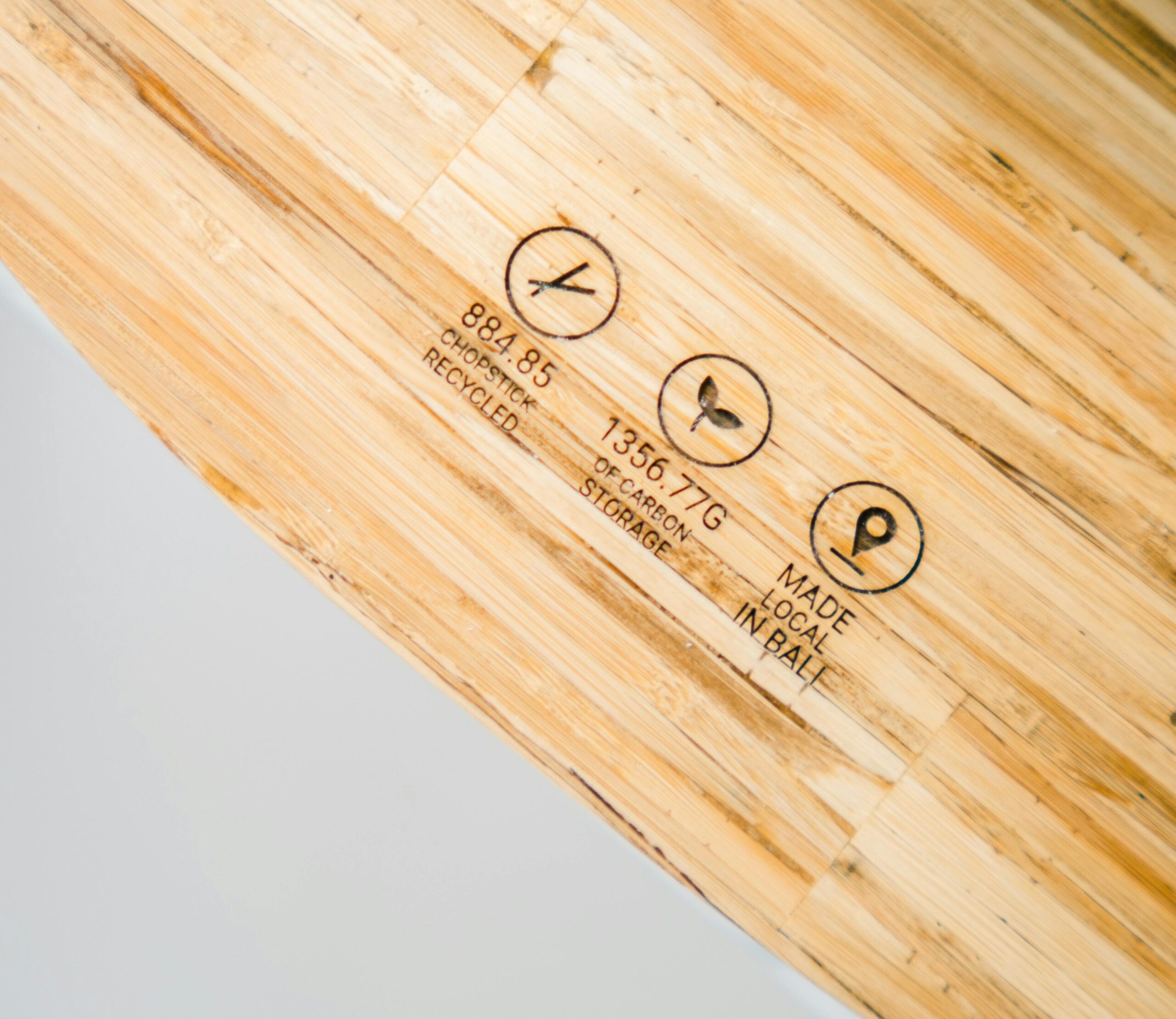
The textile industry is experiencing a remarkable transformation driven by nonwoven fiber technology, reshaping how we think about fabric production, sustainability, and performance capabilities.

🧵 Understanding the Nonwoven Revolution
Nonwoven fabrics represent a paradigm shift in textile manufacturing, fundamentally different from traditional woven or knitted materials. Unlike conventional textiles that require spinning fibers into yarn and then weaving or knitting, nonwoven fabrics are produced directly from fibers through mechanical, chemical, or thermal bonding processes. This streamlined production method offers unprecedented advantages in cost-efficiency, production speed, and material versatility.
The global nonwoven fabrics market has witnessed exponential growth over the past decade, with projections indicating continued expansion across multiple industries. From medical applications to automotive components, from geotextiles to hygiene products, nonwoven innovations are penetrating sectors previously dominated by traditional textiles. This disruption stems from the unique properties that nonwoven technologies can deliver—properties that conventional fabrics struggle to match.
The Science Behind Next-Generation Nonwovens
At the heart of nonwoven innovation lies sophisticated fiber engineering and bonding technology. Modern nonwoven production employs several cutting-edge manufacturing processes, each offering distinct advantages for specific applications. The spunbond process creates fabrics by extruding continuous filaments that are then laid randomly and bonded together, resulting in materials with excellent strength-to-weight ratios.
Meltblown technology takes this further by producing extremely fine fibers—sometimes measuring less than one micron in diameter. These ultrafine fibers create fabrics with exceptional filtration properties, making them indispensable for medical masks, air filters, and protective equipment. The COVID-19 pandemic dramatically highlighted the critical importance of meltblown nonwoven technology in global health infrastructure.
Spunlace or hydroentanglement represents another revolutionary approach, using high-pressure water jets to mechanically entangle fibers without chemical binders or heat. This process creates fabrics with remarkable softness, drapeability, and absorbency—characteristics that make them ideal for wipes, medical textiles, and personal care products.
⚡ Electrospinning: The Nanotechnology Frontier
Electrospinning stands at the forefront of nonwoven innovation, enabling the production of nanofibers with diameters ranging from tens to hundreds of nanometers. This technology applies high voltage to polymer solutions or melts, creating extraordinarily fine fibers that self-assemble into intricate structures with massive surface areas relative to their volume.
The applications for electrospun nonwovens span multiple high-value sectors. In tissue engineering, these nanofiber scaffolds mimic the extracellular matrix structure, supporting cell growth and regeneration. For advanced filtration systems, electrospun membranes capture particles with unprecedented efficiency while maintaining breathability. Energy storage devices benefit from electrospun separator materials that enhance battery performance and safety.
Sustainable Innovation: Eco-Friendly Nonwoven Solutions
Environmental concerns have catalyzed remarkable innovations in sustainable nonwoven technology. Traditional synthetic nonwovens, while offering excellent performance, have raised questions about environmental impact and end-of-life disposal. The industry has responded with biodegradable alternatives derived from renewable resources, fundamentally changing the sustainability equation.
Plant-based fibers like bamboo, hemp, kenaf, and jute are increasingly incorporated into nonwoven fabrics, offering biodegradability without compromising performance. These natural fibers bring inherent advantages including moisture management, antimicrobial properties, and reduced carbon footprints. Advanced processing techniques now enable these sustainable fibers to compete with synthetic alternatives across numerous applications.
Polylactic acid (PLA) and other bio-polymers derived from corn starch, sugarcane, or other renewable sources represent another sustainable frontier. These materials can be processed using conventional nonwoven manufacturing equipment while offering compostability under appropriate conditions. The textile industry is increasingly adopting these bio-based solutions for products ranging from disposable hygiene items to agricultural textiles.
♻️ Circular Economy Integration
The circular economy concept is reshaping nonwoven manufacturing strategies. Recycled polyester from post-consumer plastic bottles now serves as a primary raw material for numerous nonwoven applications, diverting plastic waste from landfills and oceans while reducing dependence on virgin petroleum-based resources. Advanced recycling technologies are enabling mechanical and chemical recycling of used nonwoven products themselves, closing the loop further.
Companies are developing innovative collection and recycling systems specifically for nonwoven products. Medical textiles, industrial wipes, and even disposable hygiene products are being redesigned for recyclability, with clear separation of components facilitating material recovery. This systems-thinking approach represents a fundamental shift from the linear take-make-dispose model that previously dominated the industry.
Smart Textiles and Functional Integration
Nonwoven technology provides an ideal platform for integrating functional additives and creating smart textile solutions. The manufacturing process allows for precise incorporation of nanoparticles, phase-change materials, conductive elements, and other functional components directly into the fabric structure, enabling capabilities impossible with traditional textiles.
Antimicrobial nonwovens incorporating silver nanoparticles, copper compounds, or quaternary ammonium compounds address hygiene concerns in medical settings, food processing environments, and consumer products. These treated fabrics actively inhibit bacterial and viral growth, reducing infection risks and extending product useful life. The pandemic accelerated demand for these protective materials across multiple sectors.
Phase-change materials embedded in nonwoven fabrics provide thermal regulation capabilities, absorbing excess heat when temperatures rise and releasing it when temperatures drop. This temperature-buffering effect enhances comfort in apparel applications and improves energy efficiency in building insulation products. Athletes and outdoor enthusiasts particularly benefit from these thermoregulating textiles.
🔬 Conductive Nonwovens and Electronic Integration
The convergence of textiles and electronics opens extraordinary possibilities through conductive nonwoven materials. Carbon nanotubes, graphene, conductive polymers, and metallic nanoparticles can be incorporated into nonwoven structures, creating fabrics capable of conducting electricity, sensing environmental conditions, or generating energy.
Wearable health monitoring devices increasingly utilize conductive nonwoven substrates for electrodes and sensors. These textile-integrated electronics monitor heart rate, respiration, muscle activity, and other physiological parameters with minimal discomfort compared to rigid electronic devices. The flexibility and conformability of nonwoven substrates enable seamless integration with the human body.
Energy-harvesting textiles represent another frontier, with researchers developing nonwoven fabrics incorporating piezoelectric materials that generate electricity from mechanical movement or thermoelectric materials that convert temperature differences into electrical power. While currently in developmental stages, these technologies promise self-powered wearable devices and ambient energy capture systems.
Industrial Applications Driving Innovation
The automotive industry has emerged as a major driver of nonwoven innovation, with modern vehicles incorporating substantial quantities of nonwoven materials. Interior components including headliners, door panels, trunk liners, and carpeting increasingly utilize nonwoven fabrics for their light weight, acoustic insulation properties, and moldability. Weight reduction directly translates to improved fuel efficiency and reduced emissions—critical factors in meeting stringent environmental regulations.
Advanced acoustic management represents a particularly important application. Multilayer nonwoven structures engineered for specific frequency ranges effectively dampen noise and vibration, enhancing passenger comfort. These materials outperform traditional sound-deadening solutions while offering significant weight savings, making them essential components in premium and electric vehicles where cabin quietness is paramount.
🏗️ Construction and Geotextile Applications
The construction industry relies extensively on nonwoven geotextiles for separation, filtration, drainage, and reinforcement functions. These engineered fabrics prevent soil mixing in road construction, filter water while retaining soil particles in drainage systems, and reinforce embankments and retaining walls. The durability and cost-effectiveness of nonwoven geotextiles have made them standard components in modern infrastructure projects worldwide.
Recent innovations include nonwovens incorporating natural fibers for erosion control and vegetation establishment, biodegrading over time as plants develop root systems. Smart geotextiles with embedded sensors monitor structural health, detecting ground movement, moisture levels, or stress conditions that might indicate potential failures. This predictive capability enables proactive maintenance and prevents catastrophic infrastructure failures.
Medical and Healthcare Breakthroughs
Healthcare applications showcase some of the most advanced nonwoven innovations, where performance requirements are exceptionally demanding and material failure potentially life-threatening. Surgical gowns, drapes, masks, and caps manufactured from nonwoven fabrics provide critical barriers against pathogen transmission while maintaining breathability and comfort during extended procedures.
Advanced wound dressings utilize multilayer nonwoven structures that manage moisture, prevent bacterial contamination, promote healing, and minimize scarring. Some incorporate bioactive compounds that stimulate tissue regeneration or release antimicrobial agents in controlled fashion. These sophisticated medical textiles significantly improve patient outcomes compared to traditional wound care products.
Tissue engineering scaffolds represent perhaps the most revolutionary medical application of nonwoven technology. Electrospun nanofiber scaffolds provide three-dimensional structures that guide cell growth, differentiation, and tissue formation. Researchers are developing artificial skin, blood vessels, cardiac patches, and other tissue constructs using biodegradable nonwoven scaffolds seeded with patient cells, potentially eliminating transplant rejection issues.
Future Horizons: Emerging Technologies and Possibilities
Artificial intelligence and machine learning are beginning to transform nonwoven manufacturing, enabling real-time quality control, predictive maintenance, and process optimization. Computer vision systems detect defects instantaneously, while algorithms adjust processing parameters automatically to maintain consistent quality. This intelligent manufacturing approach reduces waste, improves efficiency, and enables customization at scale.
Biofabrication represents a revolutionary frontier where biological systems produce textile materials. Bacterial cellulose grown from microorganisms creates nonwoven structures with unique properties including biocompatibility, high water retention, and moldability. Companies are exploring fungal mycelium as a sustainable fiber source, potentially revolutionizing both nonwoven and conventional textile production with zero-waste, carbon-negative materials.
Additive manufacturing techniques adapted for textiles enable direct digital fabrication of nonwoven structures with precisely controlled fiber orientation, density gradients, and functional integration. This technology allows designers to create optimized structures for specific performance requirements, potentially eliminating material waste associated with cutting and sewing traditional fabrics.
🌍 Global Market Dynamics and Growth Drivers
The nonwoven fabrics market continues expanding rapidly, driven by multiple converging trends. Growing healthcare infrastructure in developing economies increases demand for medical nonwovens. Aging populations in developed nations require more hygiene products. Stricter environmental regulations push adoption of geotextiles and filtration media. Electric vehicle proliferation demands lightweight interior materials. Each trend reinforces the others, creating sustained growth momentum.
Regional manufacturing capabilities are evolving, with production capacity expanding beyond traditional centers in North America, Europe, and Japan. Asian countries, particularly China, India, and Southeast Asian nations, are becoming major nonwoven producers and innovators, driven by domestic demand and export opportunities. This geographic diversification enhances supply chain resilience while spurring competitive innovation.
Overcoming Challenges and Technical Barriers
Despite remarkable progress, nonwoven technology faces ongoing challenges that drive continued innovation. Balancing performance with sustainability remains difficult, as many high-performance applications still require synthetic polymers with problematic end-of-life scenarios. Researchers are working to develop bio-based alternatives that match synthetic performance while offering genuine biodegradability or recyclability.
Cost competitiveness presents another challenge, particularly for advanced technologies like electrospinning that currently face scalability limitations. While laboratory demonstrations showcase impressive capabilities, translating these innovations to industrial-scale production at competitive prices requires substantial engineering development. Industry partnerships between material suppliers, equipment manufacturers, and end-users are accelerating this commercialization process.
Consumer education represents a softer but equally important challenge. Many consumers remain unaware of nonwoven fabrics despite encountering them daily. Building understanding of the technology’s benefits, sustainability credentials, and diverse applications helps create market pull that justifies innovation investments. Industry associations and companies are increasingly engaging in educational outreach to address this awareness gap.
The Road Ahead: Transformation Continues
Nonwoven fiber innovations are fundamentally transforming textiles across all dimensions—manufacturing processes, material properties, application possibilities, and sustainability profiles. This technology evolution shows no signs of slowing, with research laboratories, innovative startups, and established manufacturers continuously pushing boundaries and exploring new frontiers.
The convergence of nonwoven technology with digitalization, biotechnology, nanotechnology, and sustainability principles creates unprecedented opportunities for breakthrough innovations. Materials that self-heal, adapt to environmental conditions, harvest energy, or even respond to biological signals are transitioning from science fiction to commercial reality through advanced nonwoven platforms.
As global challenges intensify—from climate change to healthcare demands to resource scarcity—nonwoven innovations offer practical solutions that address real needs while minimizing environmental impact. The next generation of fabrics will be lighter, stronger, smarter, and more sustainable than anything previously imagined, with nonwoven technology serving as the foundation for this textile revolution. The transformation is not coming—it is already here, reshaping industries and improving lives in ways both visible and invisible. 🚀