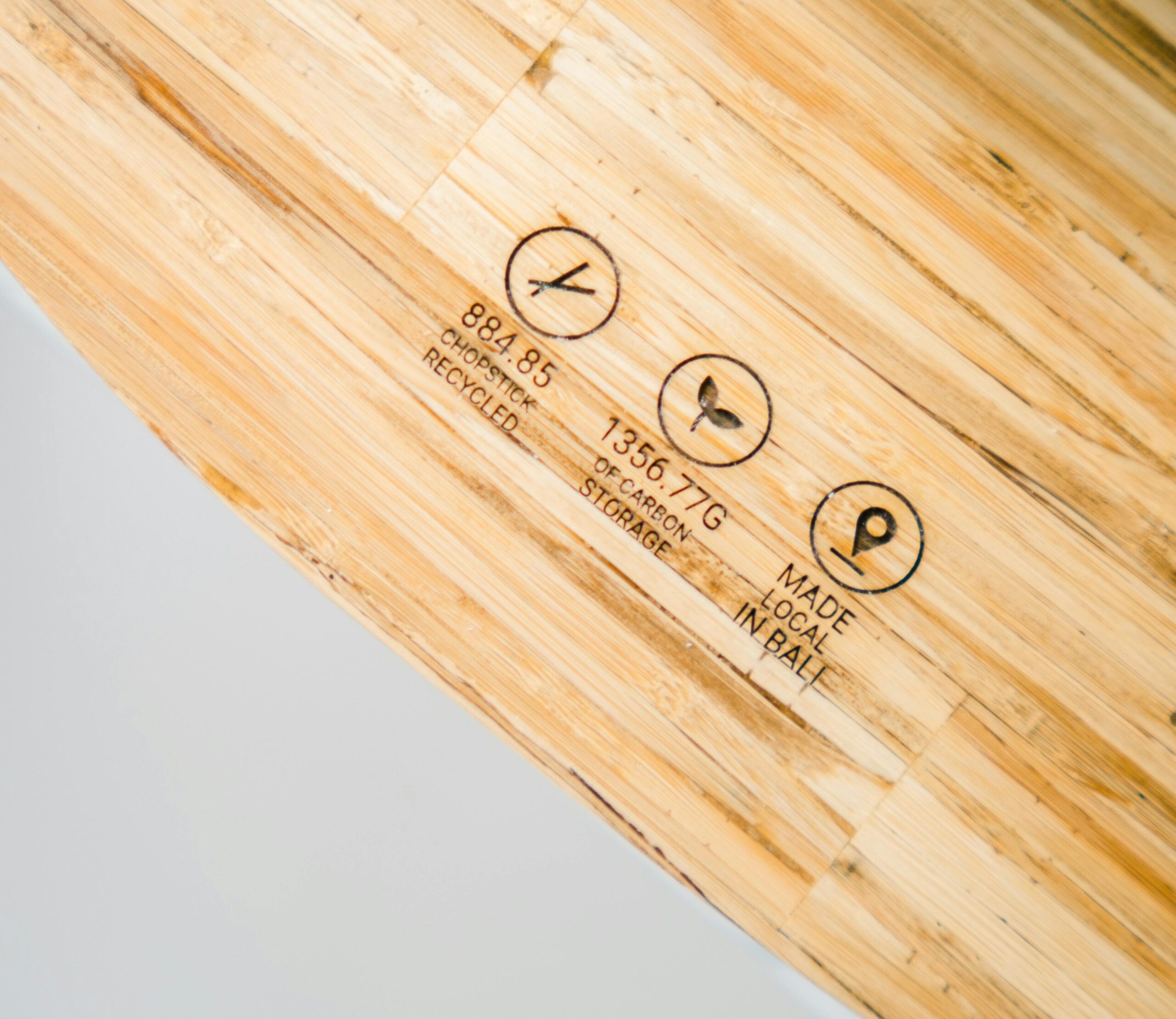
Material passports are revolutionizing how industries track, reuse, and recycle building materials, creating unprecedented opportunities for sustainable supply chain management in construction and manufacturing sectors worldwide.

🌍 Understanding Material Passports: A Digital Revolution in Resource Management
The construction and manufacturing industries are experiencing a transformative shift toward circular economy principles, and material passports stand at the forefront of this change. A material passport is essentially a comprehensive digital record that documents the materials, components, and chemicals used in products or buildings throughout their lifecycle. Think of it as a detailed biography of every element that goes into creating a structure or product.
These digital documents contain critical information including material composition, origin, environmental impact, maintenance requirements, and disassembly instructions. By maintaining this detailed inventory, businesses can make informed decisions about material reuse, recycling, and responsible disposal when products reach their end of life.
The concept emerged from the European Union’s circular economy action plan and has gained significant traction globally. Organizations like the Ellen MacArthur Foundation and Madaster have pioneered frameworks that enable companies to create and manage these digital identities for materials and buildings.
The Environmental Imperative Behind Material Passports
The construction sector alone generates approximately 35% of global waste, according to the United Nations Environment Programme. Traditional linear supply chains follow a “take-make-dispose” model that depletes natural resources and contributes significantly to landfill accumulation. Material passports challenge this wasteful paradigm by creating transparency and enabling circularity.
When materials have documented histories and known compositions, they become valuable resources rather than waste. This shift in perspective is crucial for addressing climate change, as the building sector accounts for nearly 40% of global carbon emissions when considering both operational and embodied carbon.
Material passports facilitate carbon tracking by documenting the environmental footprint of each component. This transparency allows architects, engineers, and developers to make evidence-based decisions that minimize environmental impact while maximizing material value retention.
🔧 How Material Passports Transform Supply Chain Operations
Implementing material passports fundamentally changes supply chain dynamics by introducing unprecedented levels of traceability and accountability. Manufacturers, suppliers, distributors, and end-users all benefit from access to comprehensive material information.
Enhanced Traceability and Quality Assurance
Supply chains become more resilient when every stakeholder has access to verified information about material origins, certifications, and performance characteristics. Material passports enable real-time tracking of components from extraction through manufacturing, installation, use, and eventual recovery or recycling.
This traceability reduces counterfeit materials entering supply chains and ensures compliance with environmental regulations and building codes. Quality assurance becomes streamlined as material specifications are digitally verified rather than relying solely on paper documentation that can be lost or falsified.
Optimizing Inventory and Resource Allocation
Companies implementing material passport systems report significant improvements in inventory management. Digital records eliminate redundant ordering and reduce storage costs by providing accurate real-time data on available materials and their conditions.
When materials from deconstructed buildings enter the supply chain with complete documentation, they compete effectively with virgin materials. This creates new revenue streams from salvaged materials while reducing procurement costs and environmental impact.
Building the Infrastructure for Circular Supply Chains
Creating truly circular supply chains requires more than individual company efforts—it demands ecosystem-wide collaboration and standardized systems for material documentation and exchange.
Digital Platforms and Blockchain Technology
Advanced digital platforms now enable material passport creation, storage, and sharing across supply chain networks. Blockchain technology offers particular promise for material passports because it provides immutable records that prevent data tampering while allowing controlled access to authorized parties.
Platforms like Madaster function as cadastres for materials, similar to how property registries document real estate ownership. These systems create material banks where building materials retain recognized value throughout their lifecycle, facilitating trading and reuse markets.
Standardization and Interoperability Challenges
For material passports to achieve their full potential, industry-wide standards must govern data formats, classification systems, and sharing protocols. Organizations like the International Organization for Standardization (ISO) are developing frameworks, but adoption remains inconsistent across regions and sectors.
Interoperability between different digital systems poses technical challenges. A material passport created in one platform must be readable and usable in others to prevent data silos that undermine circular economy goals.
💼 Business Benefits: Beyond Environmental Responsibility
While environmental sustainability drives material passport adoption, the business case extends well beyond corporate social responsibility considerations.
Risk Mitigation and Regulatory Compliance
Increasingly stringent environmental regulations worldwide make comprehensive material documentation a business necessity rather than a voluntary initiative. The EU’s Construction Products Regulation and similar frameworks in other jurisdictions require detailed material disclosures.
Material passports provide evidence of compliance, reducing legal risks and potential penalties. They also protect against future regulatory changes by documenting material compositions that may become restricted or require special handling.
Financial Value Creation
Buildings with material passports demonstrate higher residual values because their component materials retain documented worth. This asset recognition changes financial calculations around construction investments and influences decisions about renovation versus demolition.
Insurance companies are beginning to offer preferential rates for buildings with comprehensive material documentation, recognizing reduced risks associated with known material compositions and proper maintenance records.
Competitive Differentiation
Companies implementing material passport systems position themselves as industry leaders in sustainability innovation. This reputation advantage attracts environmentally conscious clients, investors, and employees while opening doors to green building certifications like LEED, BREEAM, and Living Building Challenge.
🏗️ Practical Implementation: Getting Started with Material Passports
Transitioning to material passport systems requires strategic planning and phased implementation approaches tailored to organizational capabilities and industry contexts.
Assessment and Planning Phase
Begin by inventorying current material documentation practices and identifying gaps in data collection, storage, and sharing. Assess which materials and products present the highest environmental impact or greatest reuse potential, prioritizing these for initial passport development.
Engage stakeholders across the supply chain early in the process. Suppliers must understand data requirements, while internal teams need training on new documentation protocols and digital tools.
Technology Selection and Integration
Choose digital platforms that align with industry standards and offer compatibility with existing enterprise systems like building information modeling (BIM) software, enterprise resource planning (ERP) systems, and procurement platforms.
Consider scalability when selecting technology solutions. Systems should accommodate growing material libraries and integrate new materials as projects expand without requiring complete overhauls.
Data Collection and Documentation
Establish clear protocols for capturing material information at every supply chain stage. This includes manufacturer data, transportation records, installation documentation, maintenance logs, and performance monitoring throughout the use phase.
Leverage technologies like QR codes, RFID tags, and IoT sensors to automate data collection and reduce manual entry errors. These technologies enable continuous updating of material passports as conditions change over time.
Overcoming Implementation Barriers
Despite compelling benefits, material passport adoption faces practical obstacles that organizations must address strategically.
Cost Considerations and ROI Timelines
Initial investments in digital infrastructure, training, and process redesign can be substantial, particularly for smaller organizations with limited resources. However, these costs should be evaluated against long-term savings from improved material management, reduced waste disposal fees, and new revenue from material recovery.
Return on investment timelines vary by industry and implementation scope, but pilot projects typically demonstrate value within 2-3 years through operational efficiencies and material cost reductions.
Cultural and Organizational Change
Moving to circular supply chain models requires fundamental shifts in how organizations view materials—from consumables to assets. This cultural transformation takes time and requires leadership commitment and consistent communication about benefits and expectations.
Training programs must address not just technical skills for using new systems but also conceptual understanding of circular economy principles and how material passports support these goals.
🌱 Case Studies: Material Passports in Action
Real-world implementations demonstrate how material passports create value across diverse contexts and scales.
Park 20|20: Netherlands’ Circular Office Complex
The Park 20|20 development in the Netherlands exemplifies comprehensive material passport implementation. All buildings in this office complex feature complete documentation of materials used, enabling future disassembly and material recovery. The developer maintains ownership of materials while leasing building use to tenants, creating incentives for quality materials and careful maintenance.
Madaster Platform: Creating a Global Material Cadastre
The Madaster Foundation has registered thousands of buildings across Europe, documenting billions of euros worth of materials. Their platform calculates material values, environmental impacts, and circularity scores, providing actionable insights for building owners and supply chain partners.
Sustainable Manufacturing Initiatives
Electronics manufacturers like Fairphone implement material passports to document component sources and facilitate repair and recycling. This transparency builds consumer trust while creating systems for recovering valuable materials from electronic waste.
The Future Landscape: Where Material Passports Are Headed
Material passport adoption will accelerate as regulatory pressures increase and circular economy business models prove their viability.
Integration with Smart Building Technologies
The convergence of material passports with Internet of Things (IoT) sensors and artificial intelligence will enable predictive maintenance, automated condition monitoring, and optimized building operations. Materials will communicate their status and needs in real-time, maximizing performance and lifespan.
Expansion Beyond Construction
While construction leads material passport adoption, other sectors including automotive, electronics, textiles, and packaging are developing similar systems. Cross-industry standards will eventually enable material tracking across diverse supply chains, creating truly circular economies.
Policy Evolution and Mandatory Adoption
Several jurisdictions are moving toward mandatory material passports for new construction and major renovations. The EU’s Circular Economy Action Plan explicitly calls for digital product passports across multiple sectors by 2030, signaling a future where material documentation becomes standard business practice.
🚀 Taking Action: Your Role in the Circular Transition
Whether you’re a manufacturer, developer, architect, procurement professional, or business leader, you can contribute to building more sustainable supply chains through material passport adoption.
Start by educating yourself and your organization about circular economy principles and how material passports support these goals. Engage with industry associations and standards organizations working on implementation frameworks.
Pilot material passports on a small scale—perhaps a single building, product line, or supply chain segment—to develop expertise and demonstrate value before broader rollout. Document lessons learned and share insights with industry peers to accelerate collective progress.
Advocate for supportive policies and regulations that incentivize circular practices while establishing clear standards and requirements. Industry voice matters in shaping regulatory frameworks that balance environmental goals with practical implementation realities.

Creating Lasting Environmental and Economic Value
Material passports represent more than a documentation tool—they embody a fundamental reimagining of how we relate to the materials that sustain our built environment and economy. By treating materials as valuable assets with documented histories and future potential rather than disposable commodities, we unlock powerful opportunities for environmental protection and economic innovation.
The transition to circular supply chains supported by material passports requires commitment, investment, and collaboration. However, the rewards—reduced environmental impact, enhanced resource security, new business models, and resilient supply chains—justify the effort many times over.
As climate pressures intensify and resource constraints tighten, material passports will transition from competitive advantage to business necessity. Organizations that move early position themselves as leaders in the inevitable circular economy transition, capturing benefits while competitors struggle with adaptation.
The power of material passports lies not just in the data they contain but in the systemic changes they enable. They create transparency that drives accountability, traceability that enables optimization, and documentation that unlocks value. Together, these capabilities build the foundation for truly sustainable supply chains that serve both business interests and planetary needs.
The journey toward comprehensive material passport implementation continues, with innovations emerging regularly and adoption spreading across industries and geographies. By engaging with this transformation now, you contribute to creating supply chains that sustain rather than deplete, that circulate rather than waste, and that recognize materials as the precious resources they truly are.